
Automatic gearbox failure
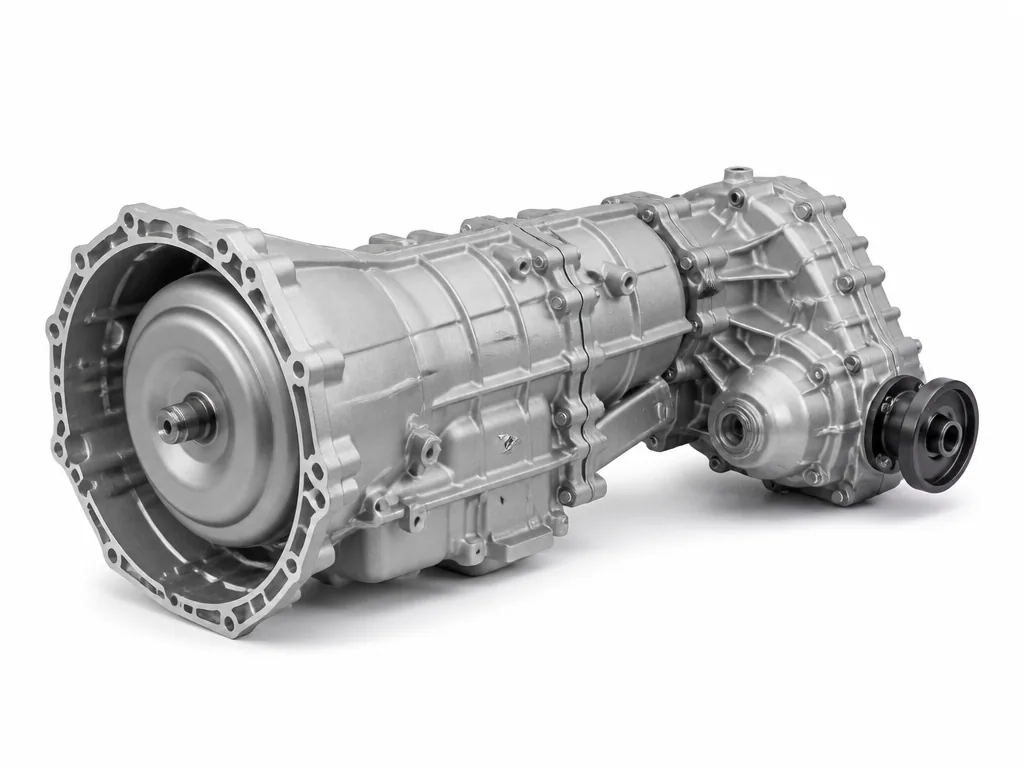
The ZF and GM automatic gearboxes used in the L322 are prone to failure. Early signs are reluctance to shift or gearbox warnings, followed by a chattering noise under load.

Range Rover · L322 · 2002–2012
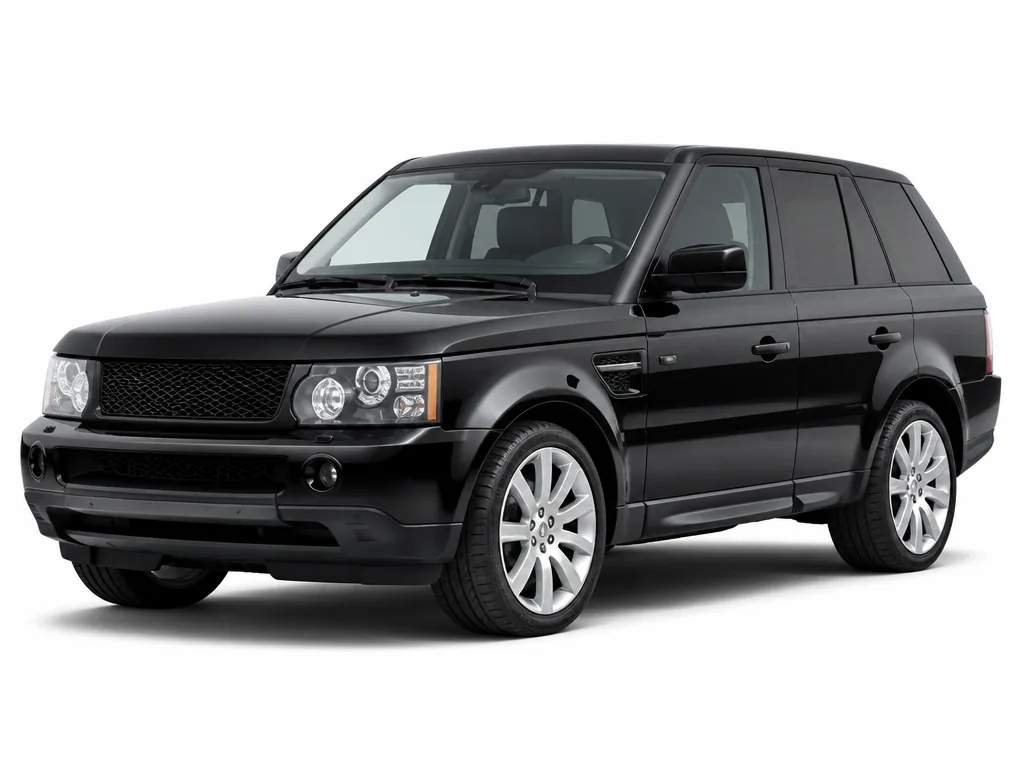
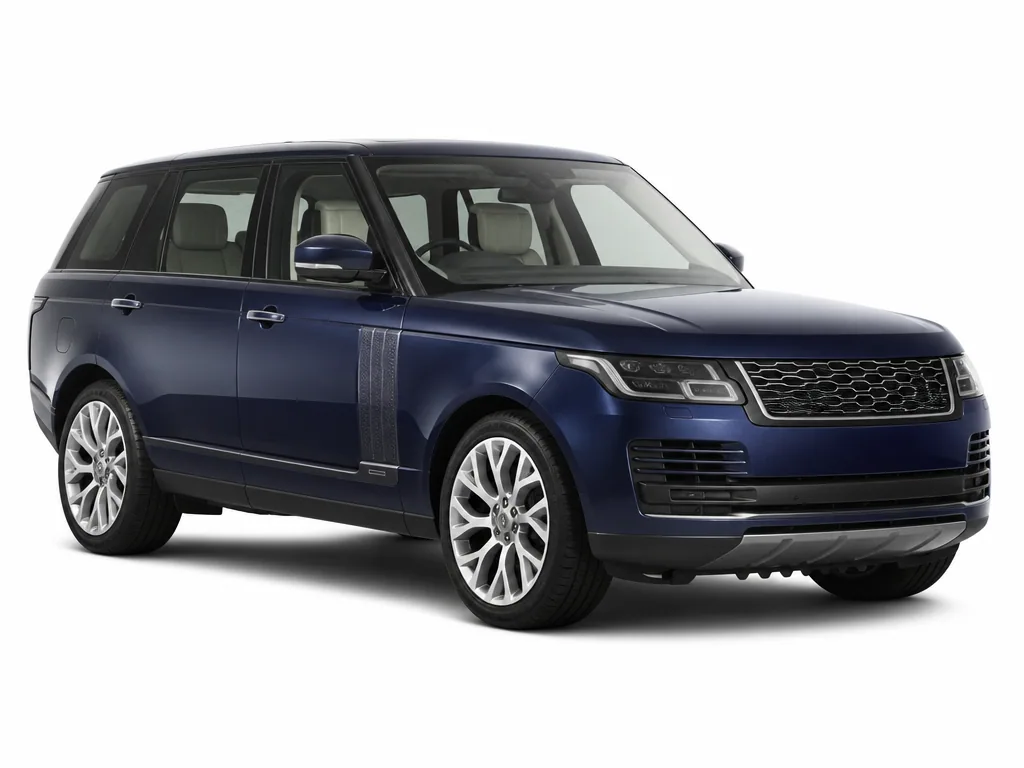
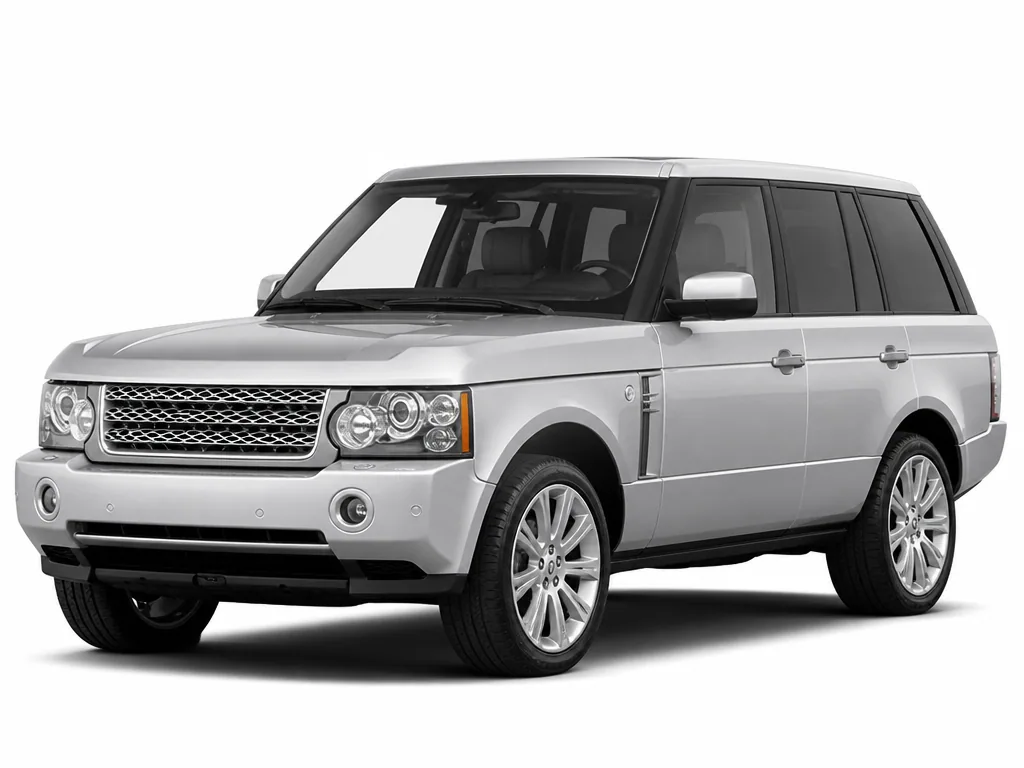
The third-generation full-size Range Rover, sold in South Africa with V8 petrol, supercharged V8 and TDV8 diesel engines.
Each system page explains what is specific to the Range Rover (L322) before you narrow down to the part.
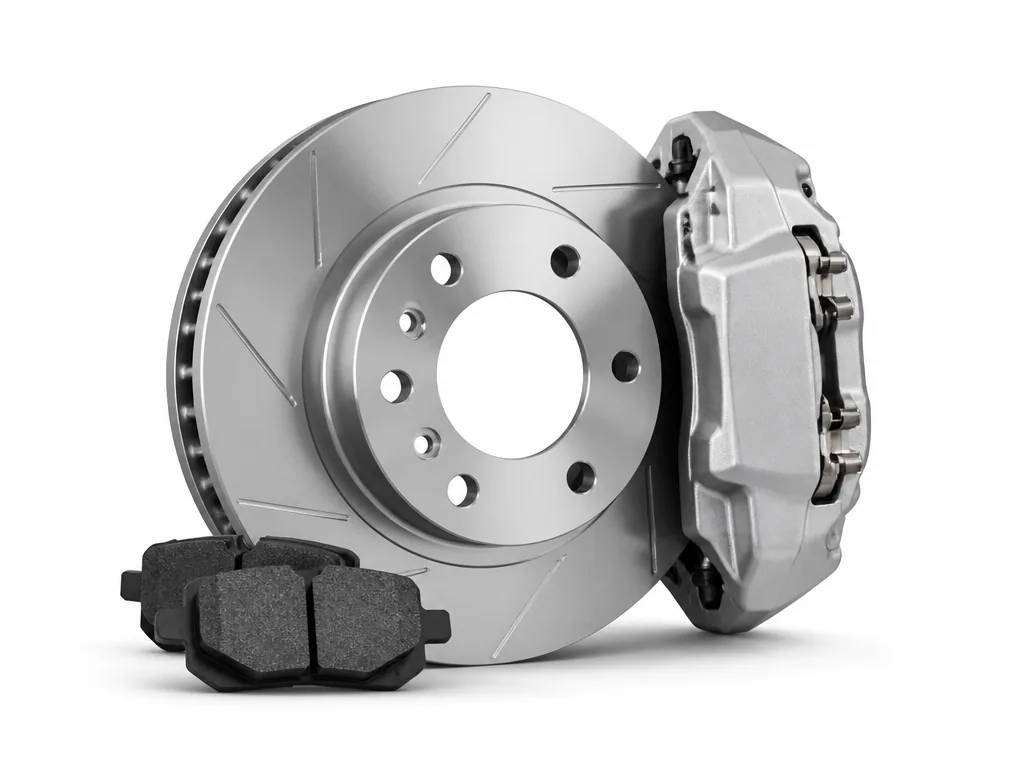
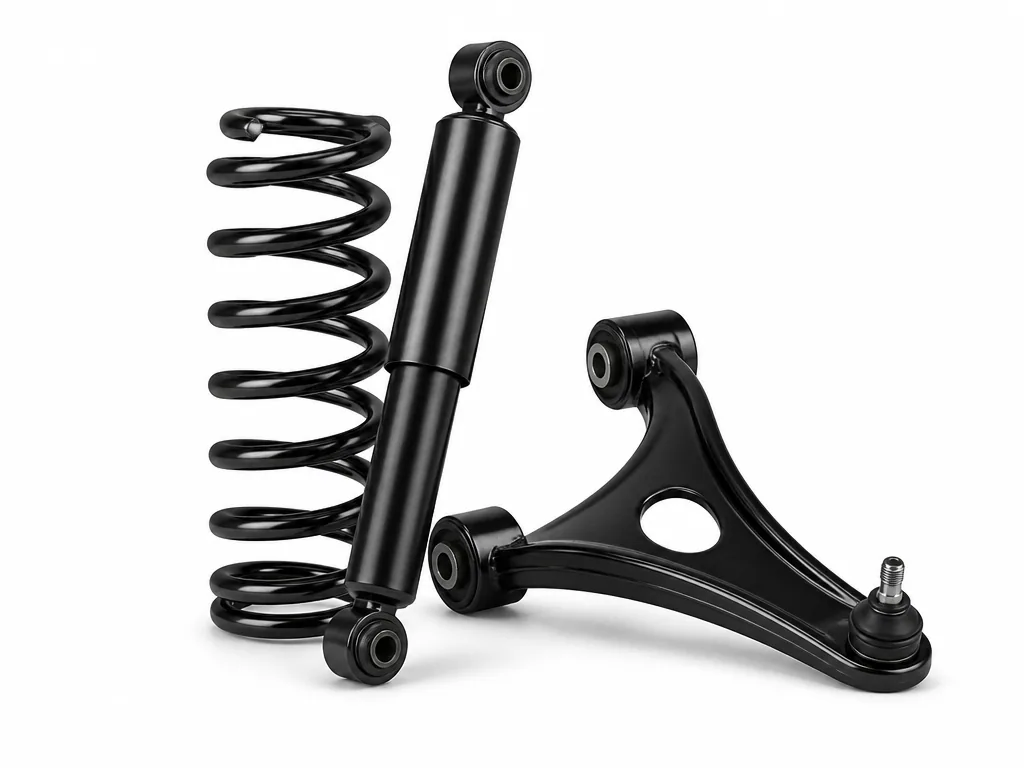
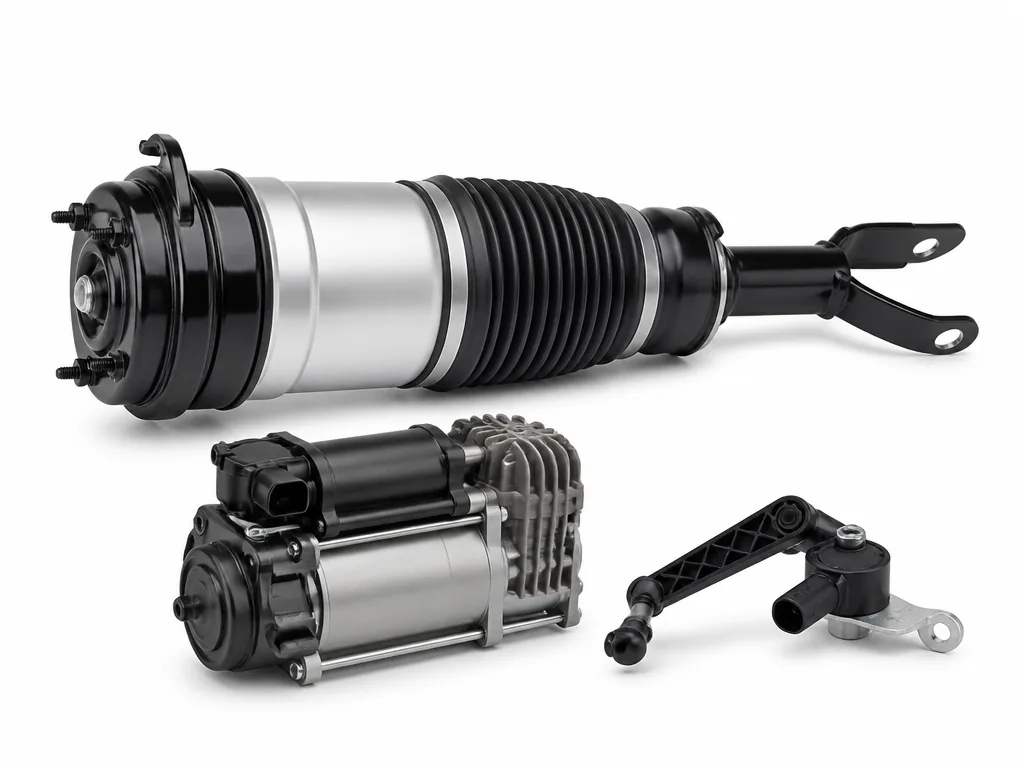
L322 owners most often buy air suspension parts (compressors, air struts, valve blocks, height sensors), gearbox parts and reconditioned gearboxes, and TDV8 intake parts such as intercooler hoses, EGR coolers and turbos. Front and rear suspension arms, bushes and brake parts follow. Replacement engines and gearboxes are often considered because repair costs can exceed the vehicle's value. Give us the VIN and exact engine, as parts changed over the 2002–2012 run. Because the model uses both ZF and GM automatic gearboxes over its life, and early and late engines are unrelated, a gearbox or engine enquiry should always include the gearbox code as well as the VIN.
The L322 was the Range Rover that moved the model firmly into luxury territory, with a monocoque body, independent air suspension and a much larger cabin. In South Africa it was sold across a long production run with naturally aspirated and supercharged V8 petrol engines and, later, the TDV8 diesels, which were built as a 3.6 from 2006 and as a 4.4 from 2010. Used examples from 2006 to 2011 still appear in local classifieds, so these vehicles are still being driven and repaired. Buying parts for an L322 is mostly about three systems. The air suspension, carrying a heavy vehicle, wears out compressors, valves, height sensors and air struts. The automatic gearboxes are a known weak point, with reluctant shifts and gearbox warnings as early signs. And the TDV8 diesels are prone to split intercooler hoses, EGR problems and turbocharger wear, all of which put the car into restricted performance. Because the model spans early BMW-era electronics and later Jaguar-era engines, the same-looking part can differ between years. That makes the VIN essential for an L322 enquiry, together with the exact engine, because a 3.6 TDV8 and a 4.4 TDV8 do not share turbochargers, injectors or intake parts.
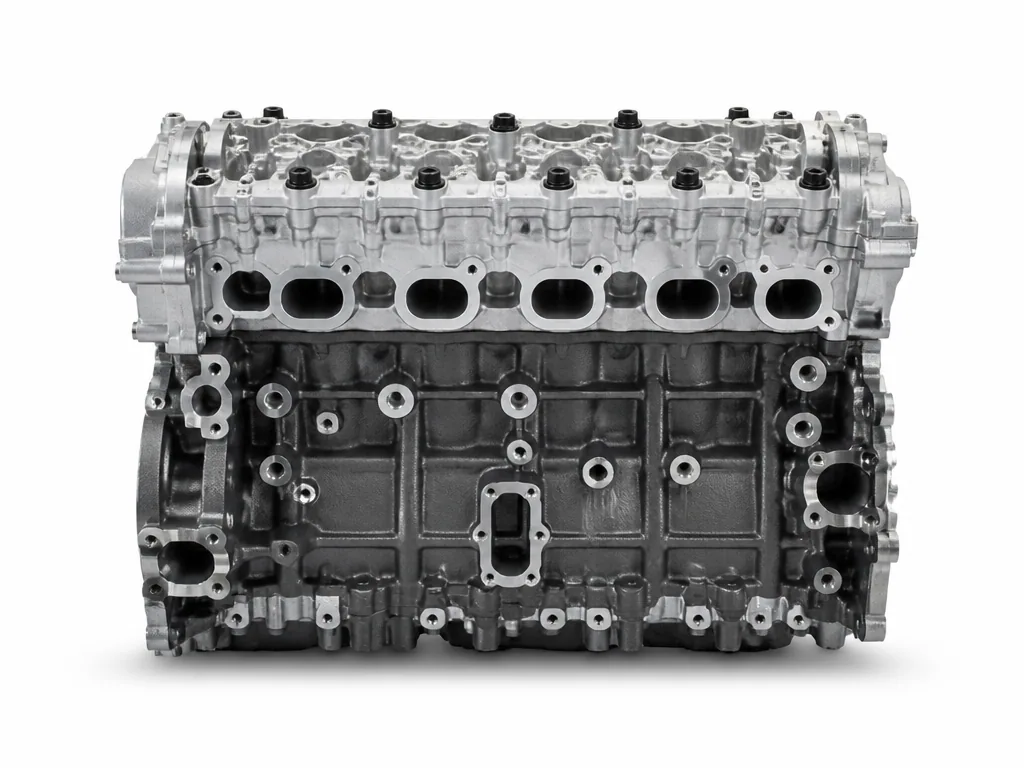
Engine parts are rarely shared between these units, so quote the engine code or number with every engine-related enquiry.
| Engine | Code / family | Fuel |
|---|---|---|
| V8 petrol | — | Petrol |
| Supercharged V8 petrol | — | Petrol |
| TDV8 turbodiesel (3.6 and 4.4) | TDV8 | Diesel |
The faults owners and specialists report most often on this generation, and where to look for the parts involved.
The ZF and GM automatic gearboxes used in the L322 are prone to failure. Early signs are reluctance to shift or gearbox warnings, followed by a chattering noise under load.
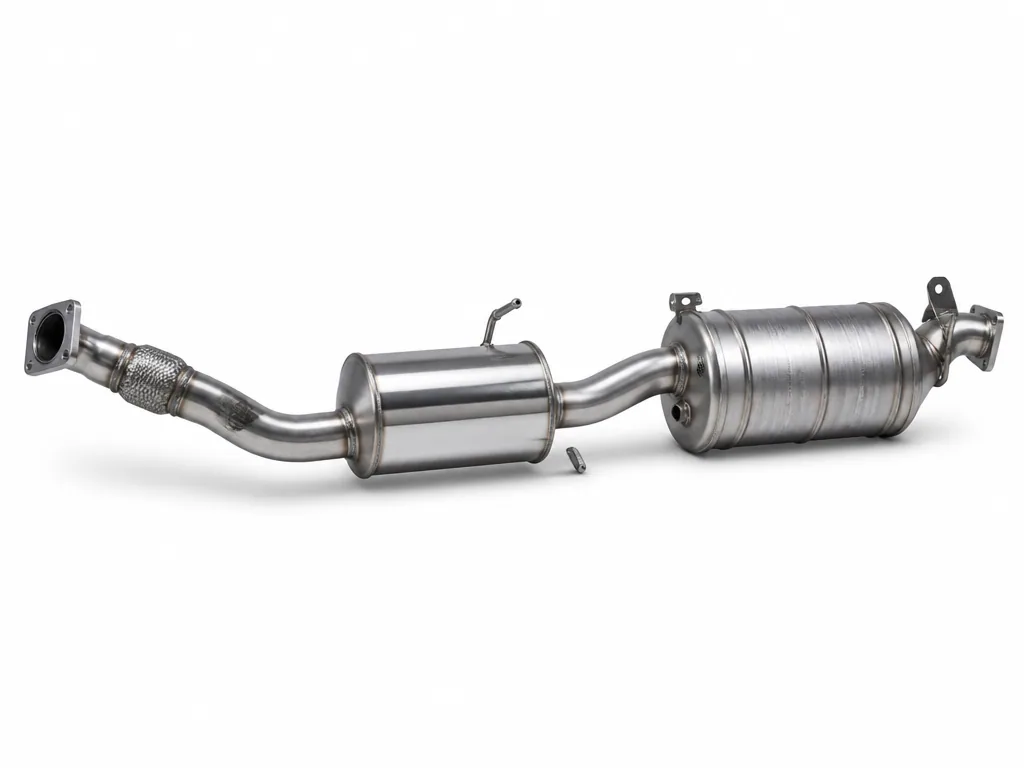
The two hoses from the top of the intercooler into the engine split, losing boost and causing black smoke and restricted performance. Replace both, as the second usually follows.
Compressors, valves, reservoirs, height sensors and complete struts all fail on the L322, usually shown by a suspension warning on the dash.
Internal EGR cooler cracking lets coolant into the intake path, giving white smoke and coolant loss, while worn turbochargers show as oil in the intercooler hoses.
Rattles and bangs from worn front upper and lower arms, drop links and rear hub bushes are common on older, heavier-used vehicles.
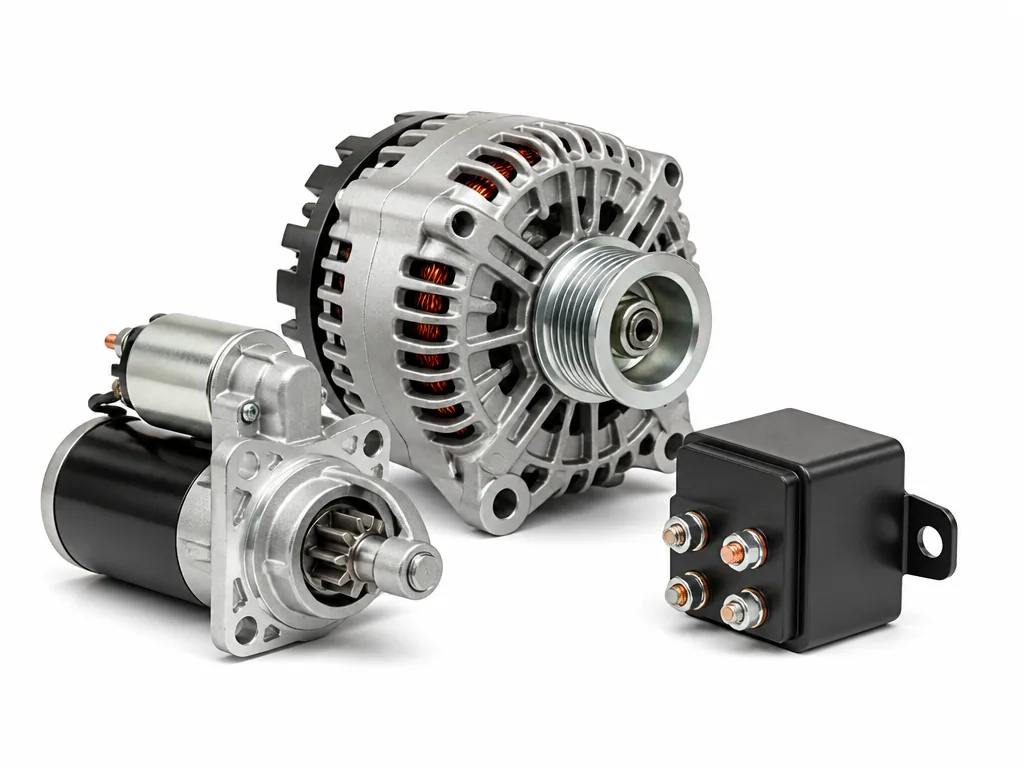
A flashing dash or poor starting often traces back to a failing alternator.
The L322 Range Rover is heavy and complex, so its air suspension, automatic gearbox and diesel intake system need the most attention. Watch for suspension warnings, which can come from compressors, valves, height sensors or struts. Reluctant gear changes or gearbox warnings should be investigated immediately. On the TDV8 diesels, check the top intercooler hoses for splits and oil, and watch for white smoke or coolant loss that can indicate an EGR cooler fault.
The most common causes are faulty EGR valves or a split intercooler hose, which loses boost pressure and usually causes black smoke and restricted performance. On the 3.6 TDV8, squeeze the two hoses running from the top of the intercooler into the engine; a split will show. Replace both hoses, because the second tends to fail soon after.
Specialists describe the ZF and GM automatic gearboxes used in the L322 as prone to failure. Early signs are reluctance to shift or gearbox warnings, followed by a chattering noise under load. If you notice these, stop driving and have the vehicle recovered, as continued driving can turn a repair into a replacement.
Send the part name, your VIN and engine number. The SparesBoyz parts team checks fitment for your L322 before quoting.