






Parts by system
Land Rover Cooling
Radiators, pumps, pipes and sensors to keep Land Rover engines cool in South African heat.
- Fitment checked against your VIN
- Couriered nationwide
- Supplied from Durban North
Choose a part
Narrow down your cooling
Find your model
Cooling by Land Rover model
Where a model has a known fault in this system, it is flagged below. Each model page explains what is specific to that generation.
Defender
2 models- Defender (Classic) cooling · 1990s–2016
- Defender (L663) cooling · 2020–present
Discovery
5 models- Discovery 4 cooling · 2009–2017
- Discovery 3 cooling · 2005–2009
- Discovery Sport cooling · 2015–present
- Discovery 5 cooling · 2017–present
- Discovery 2 cooling · 1999–2004
Range Rover
9 models- Range Rover Sport (L320) cooling · 2005–2013
- Range Rover (L405) cooling · 2013–2022
- Range Rover Evoque (L538) cooling · 2011–2019
- Range Rover (L322) cooling · 2002–2012
- Range Rover Velar cooling · 2017–present
- Range Rover Evoque (L551) cooling · 2019–present
- Range Rover (L460) cooling · 2022–present
- Range Rover Sport (L461) cooling · 2022–present
Freelander
2 models- Freelander 2 cooling · 2007–2015
- Freelander 1 cooling · 1998–2006
Know the part
Understanding Cooling
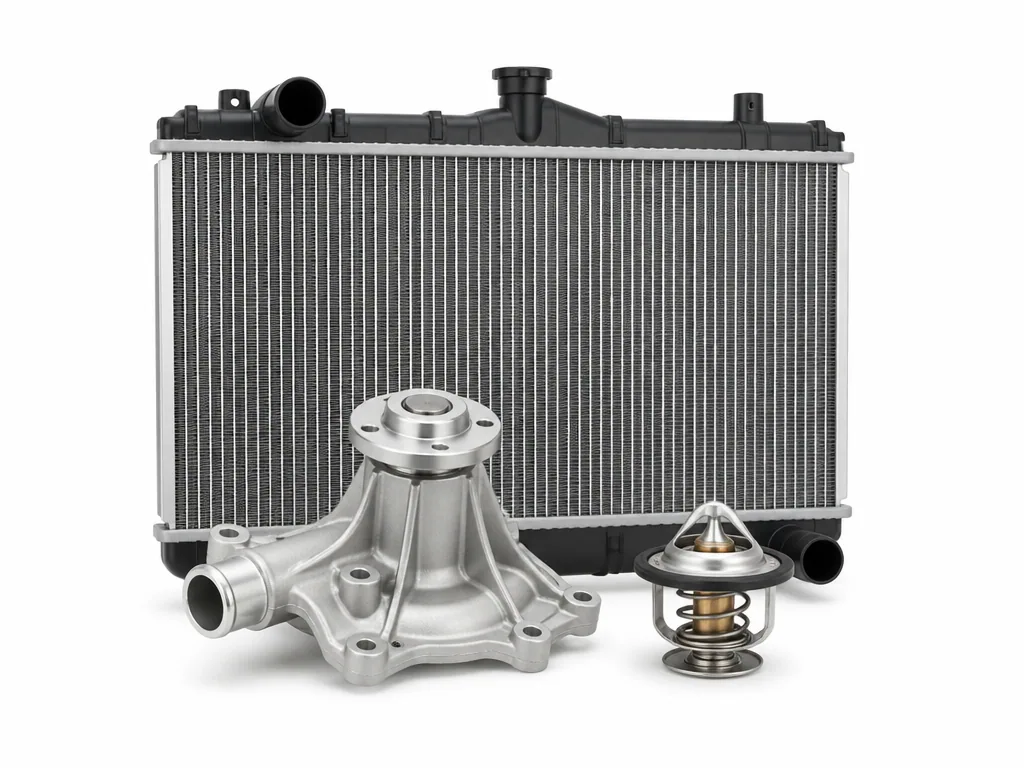
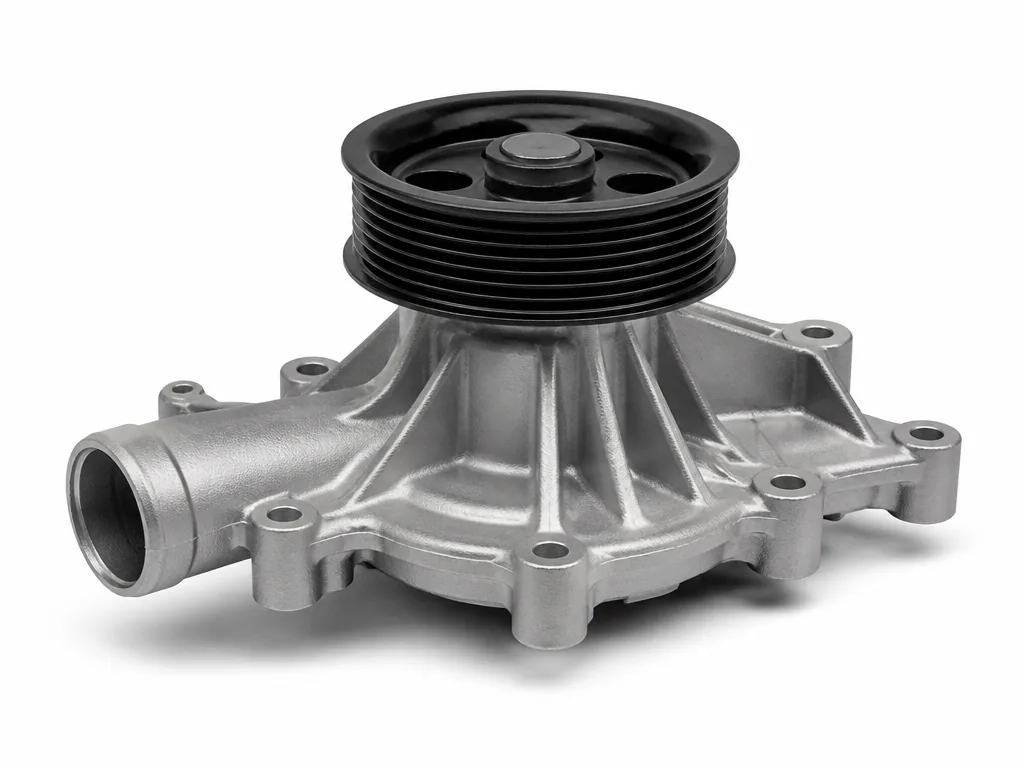
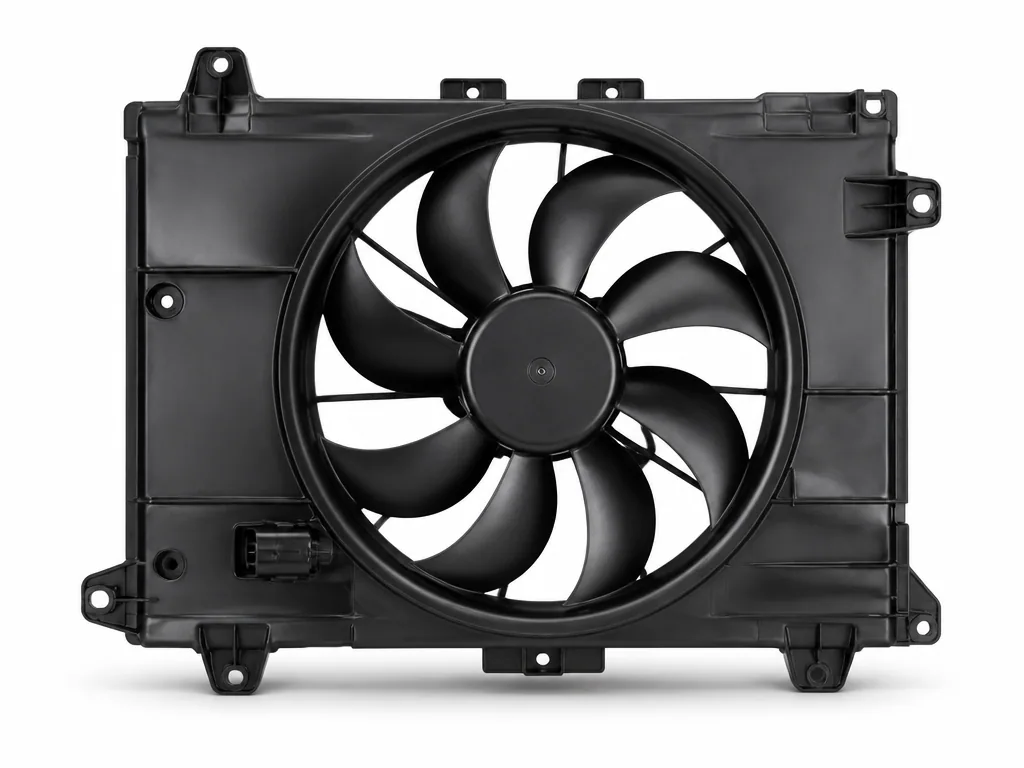
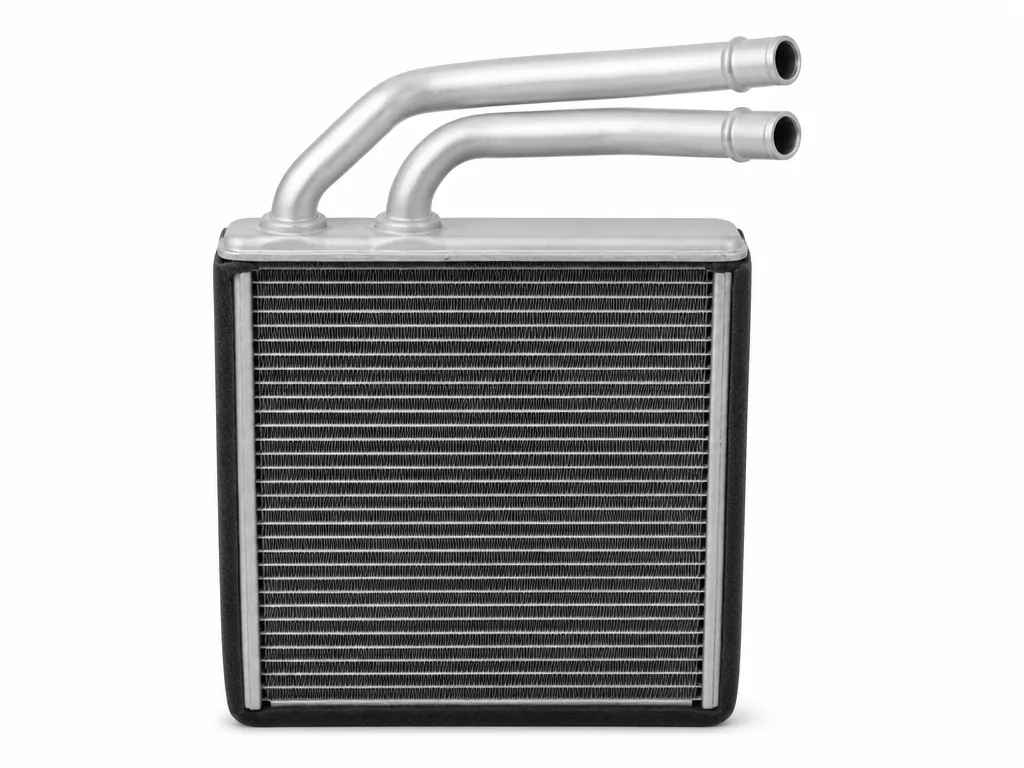
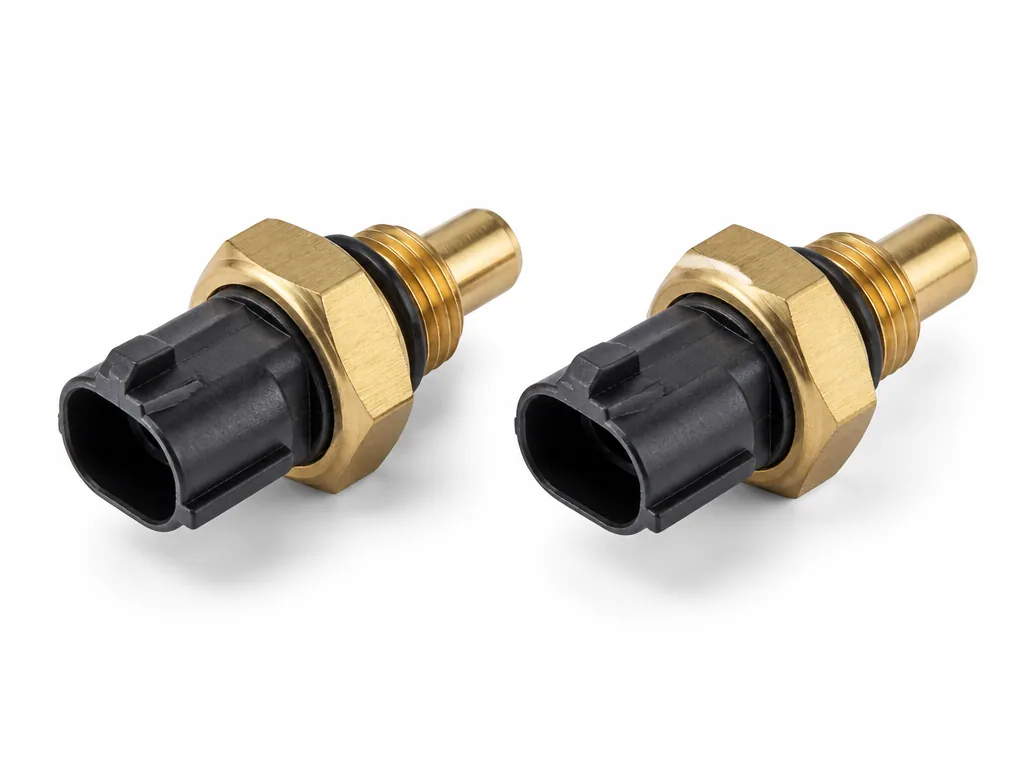
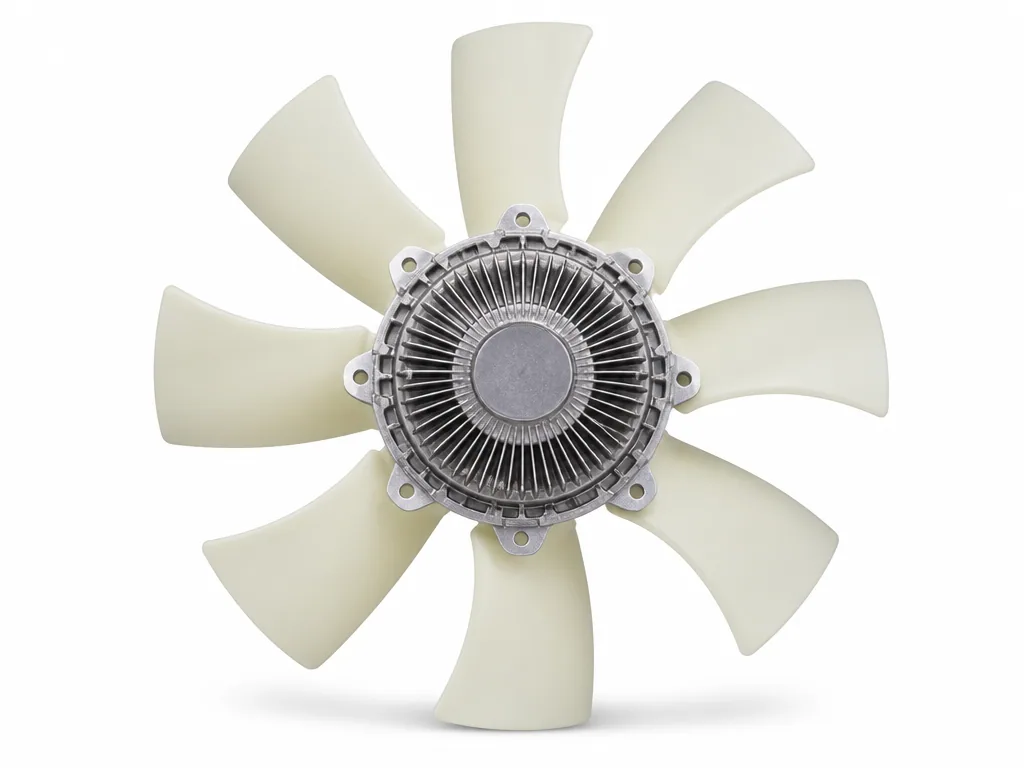
The cooling system keeps the engine at its working temperature. It includes the radiator, water pump, thermostat, expansion tank, hoses and pipes, cooling fans and temperature sensors, and on many diesels an EGR cooler and oil cooler as well. Heat from towing, low-range crawling and South African summers all test a Land Rover's cooling system.
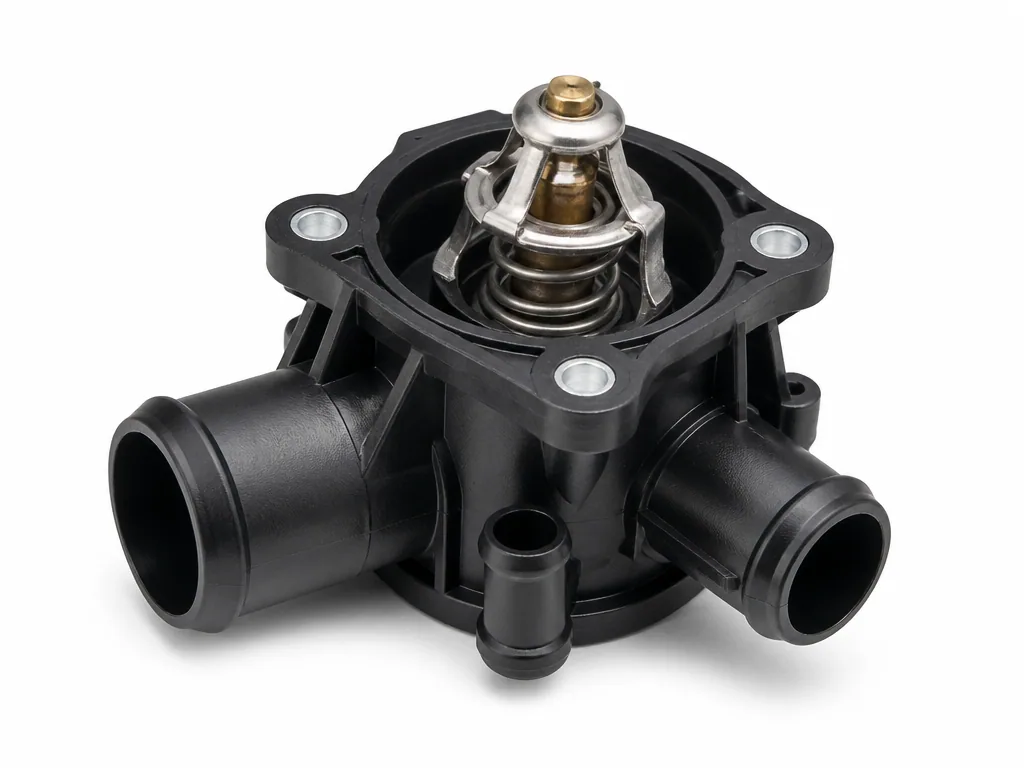
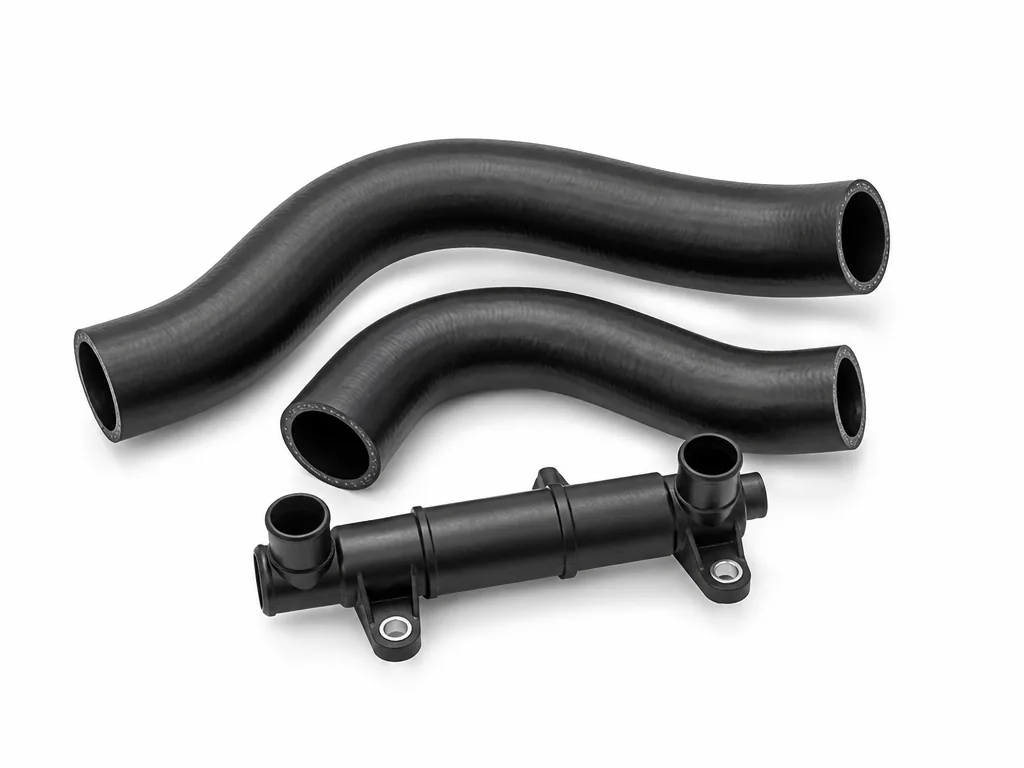
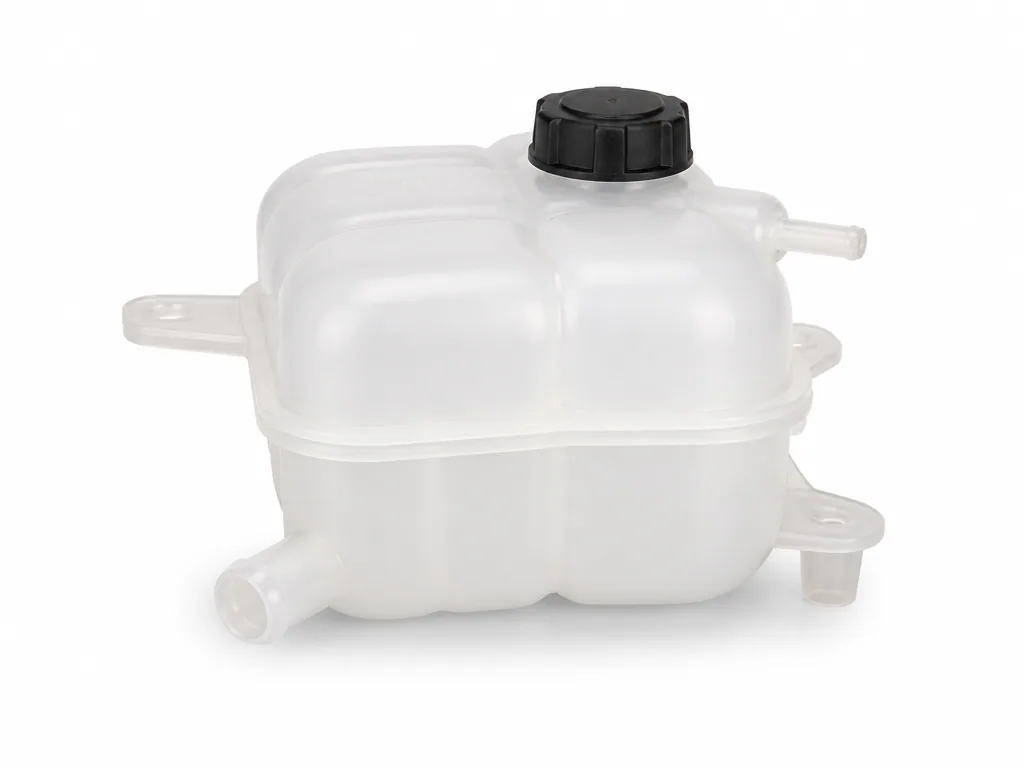
Many Land Rover cooling parts are plastic: expansion tanks, thermostat housings and coolant pipes. Plastic becomes brittle with heat cycles, so small cracks and seeping joints are common on older vehicles. On the 2.7 and 3.0 V6 diesels, specialists list the plastic thermostat housing, water outlet and hose connections around the centre and rear of the engine as common leak points.
Further reading
- Radiator (engine cooling) – Wikipedia
Background on engine cooling systems.
Questions
Common Questions About Land Rover cooling
Why is my Land Rover losing coolant?
Start with an external check for leaks at hoses, plastic pipes, the expansion tank, radiator, water pump and heater connections. If there is no visible leak, a cooling system pressure test can find hidden leaks, and a combustion gas test checks for a head gasket or EGR cooler problem.
What coolant should I use in my Land Rover?
Use the coolant type specified in your owner's handbook, mixed with clean water in the stated ratio. Do not mix coolant types, as some are incompatible. Plain water gives no corrosion protection.
Is it safe to drive an overheating Land Rover?
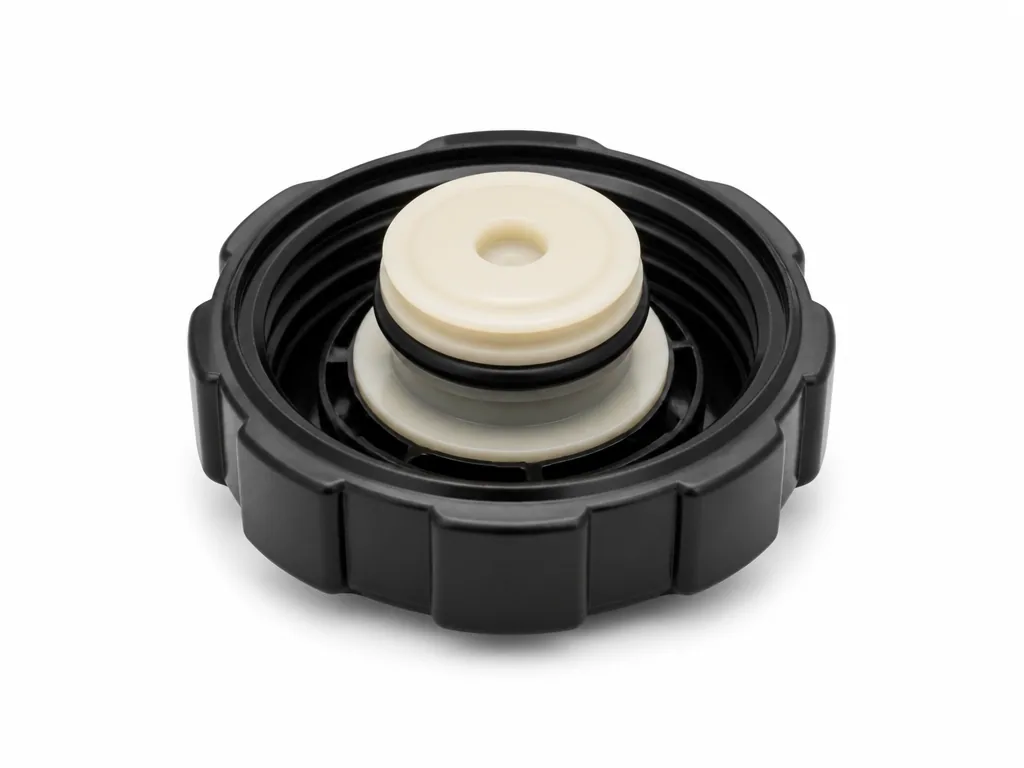
No. Stop as soon as it is safe and switch off. Driving on can warp or crack the cylinder head. Never open a hot expansion tank cap, as scalding coolant can spray out.
What should I send to order cooling parts?
The VIN, engine code and a photo of the part, since hoses and pipes vary between engines and model years.
Keep browsing
Other parts categories

Not sure which part fits?
Send your VIN or engine code and the SparesBoyz parts team will check fitment before quoting. Parts are couriered nationwide.