
Parts by system
Land Rover Suspension
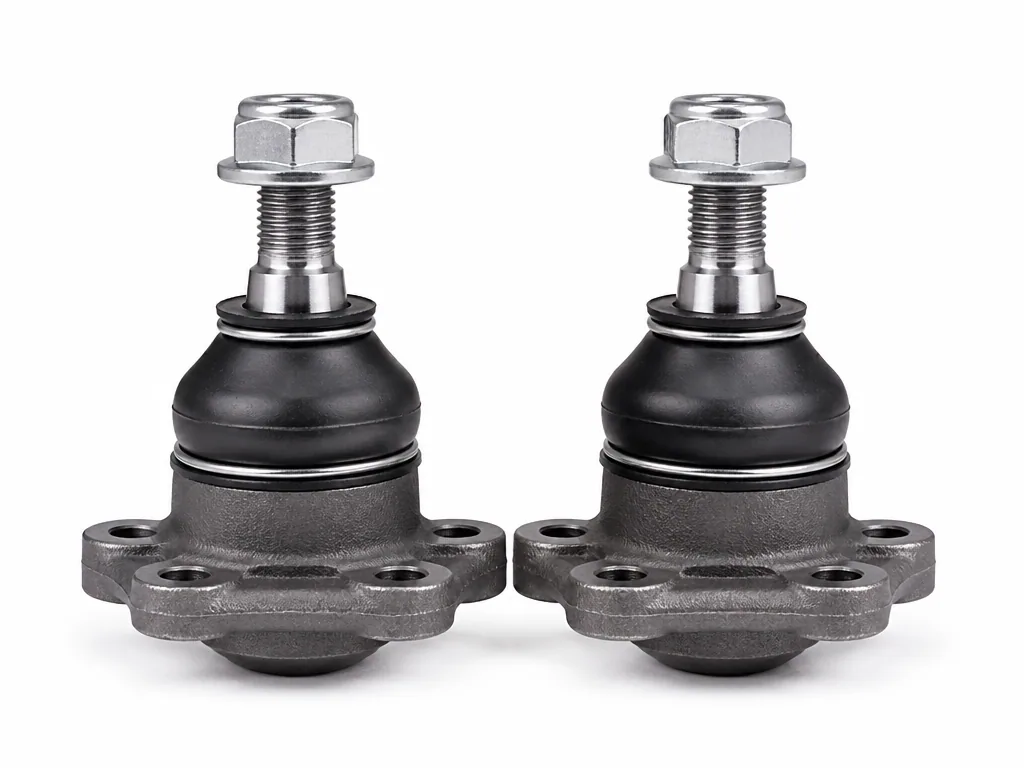
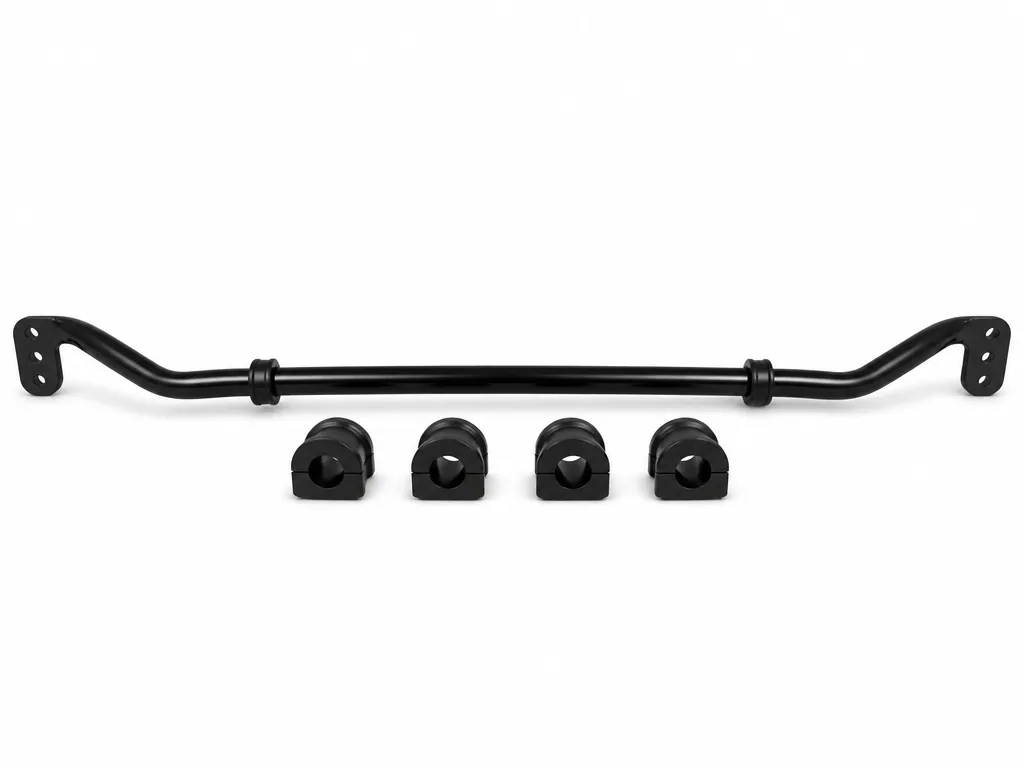
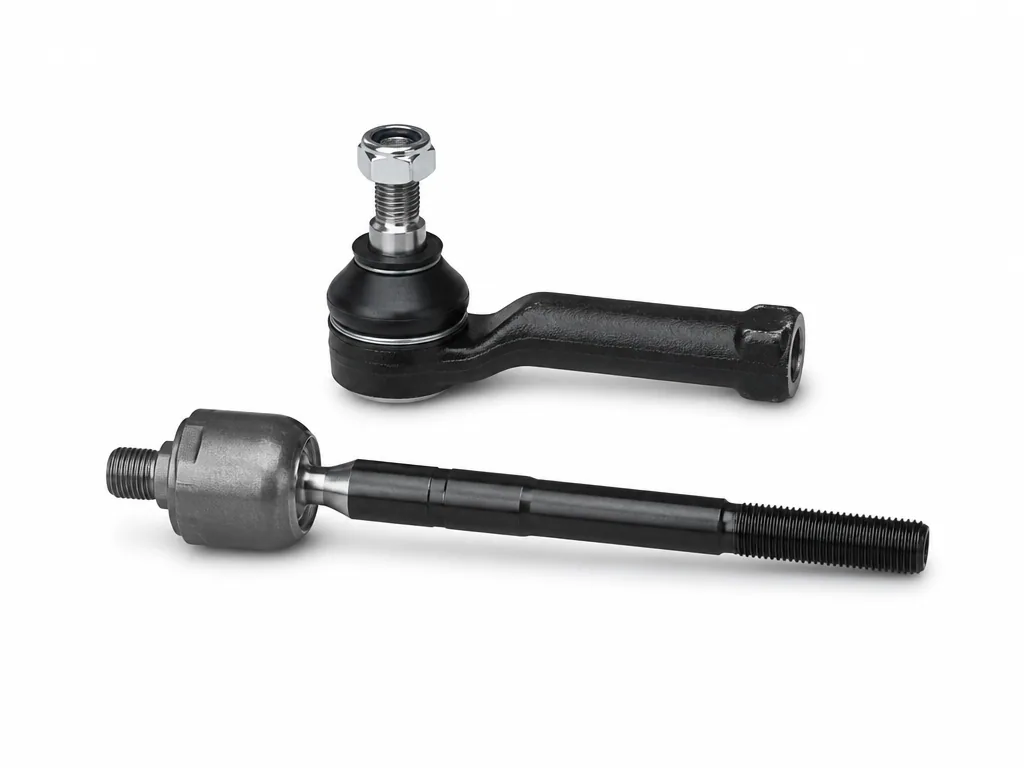
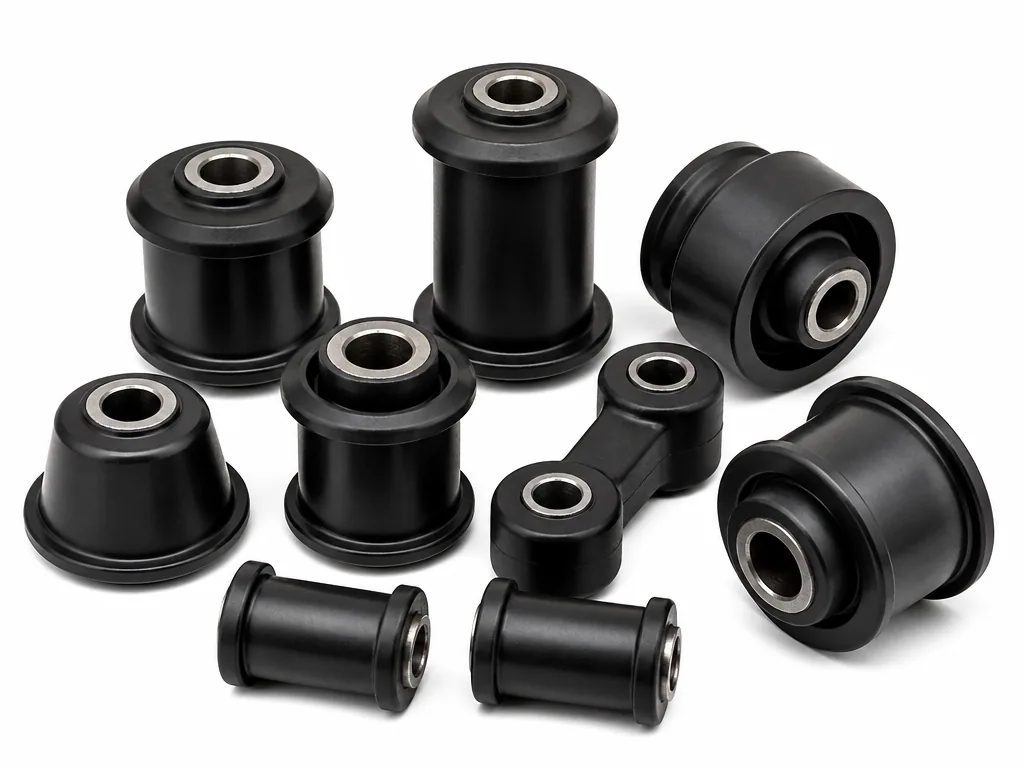
Coil suspension, steering and chassis parts for Land Rover models, from the live-axle Defender to independent-suspension Range Rovers.
- Fitment checked against your VIN
- Couriered nationwide
- Supplied from Durban North
Choose a part
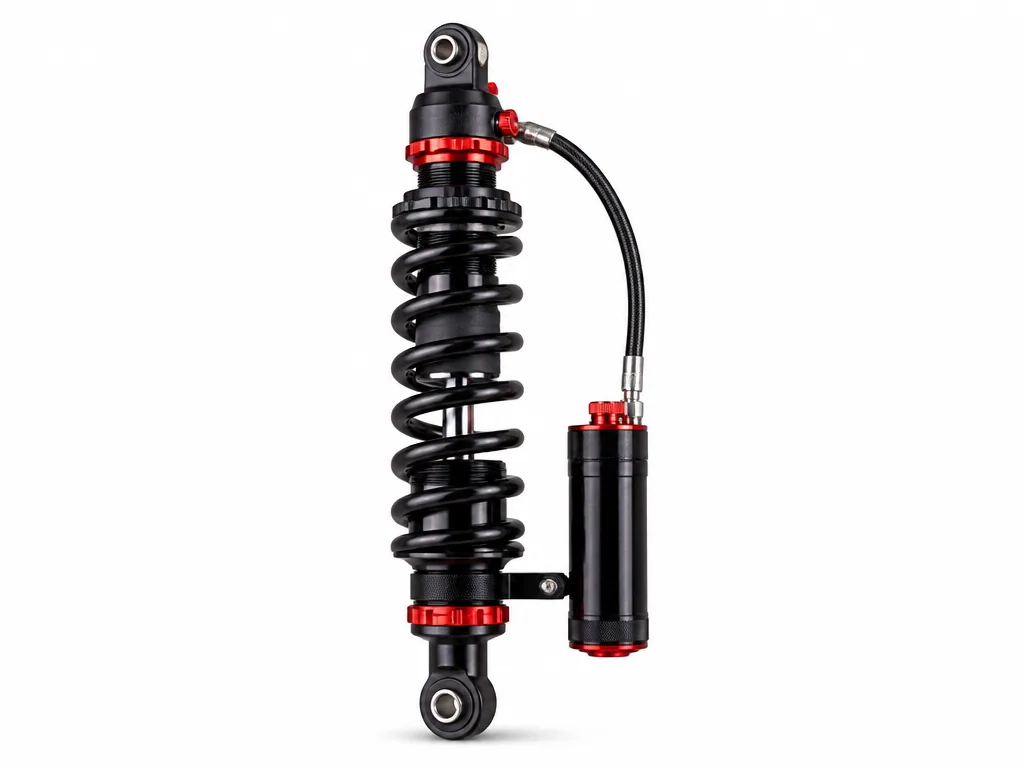
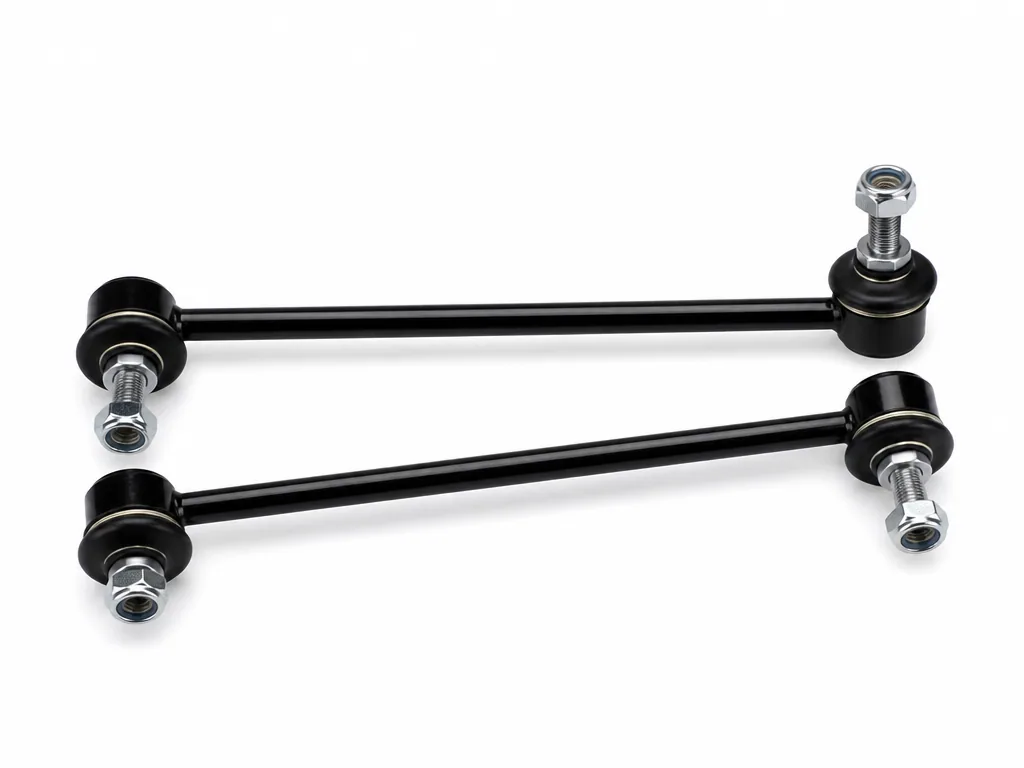
Narrow down your suspension
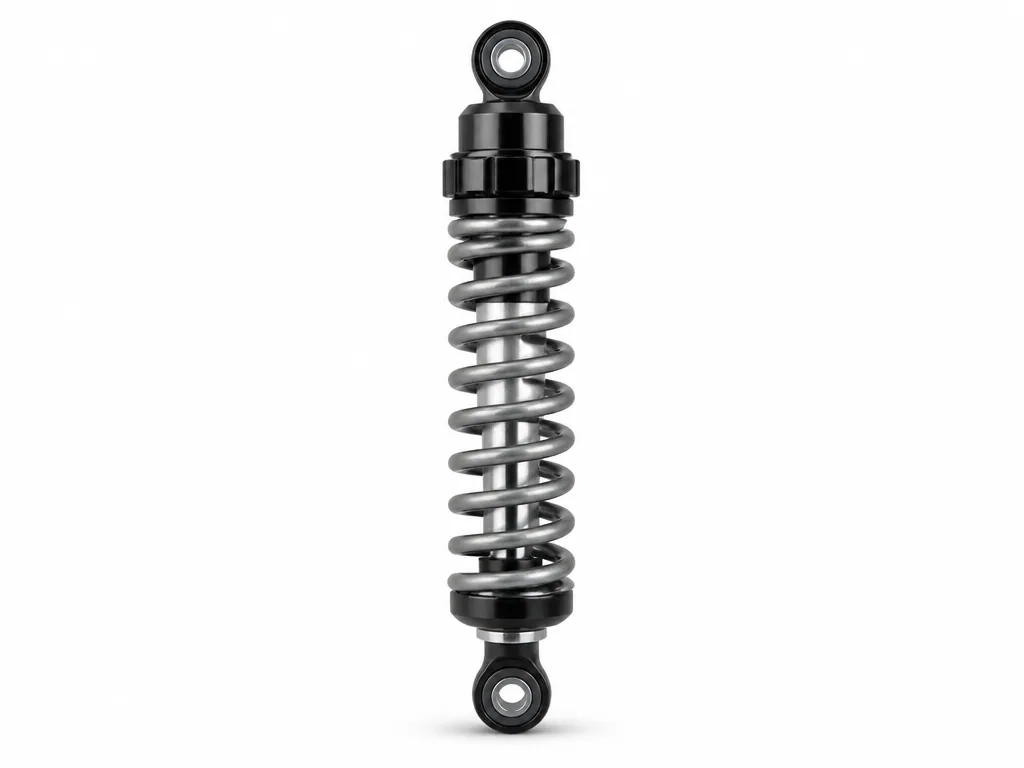
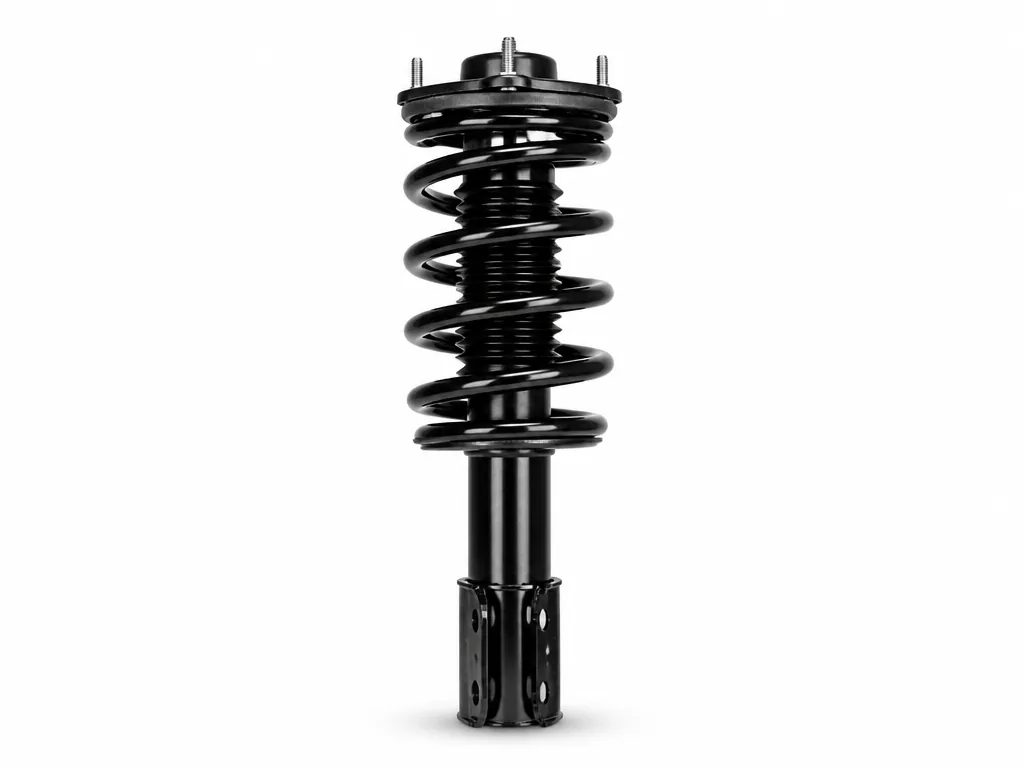
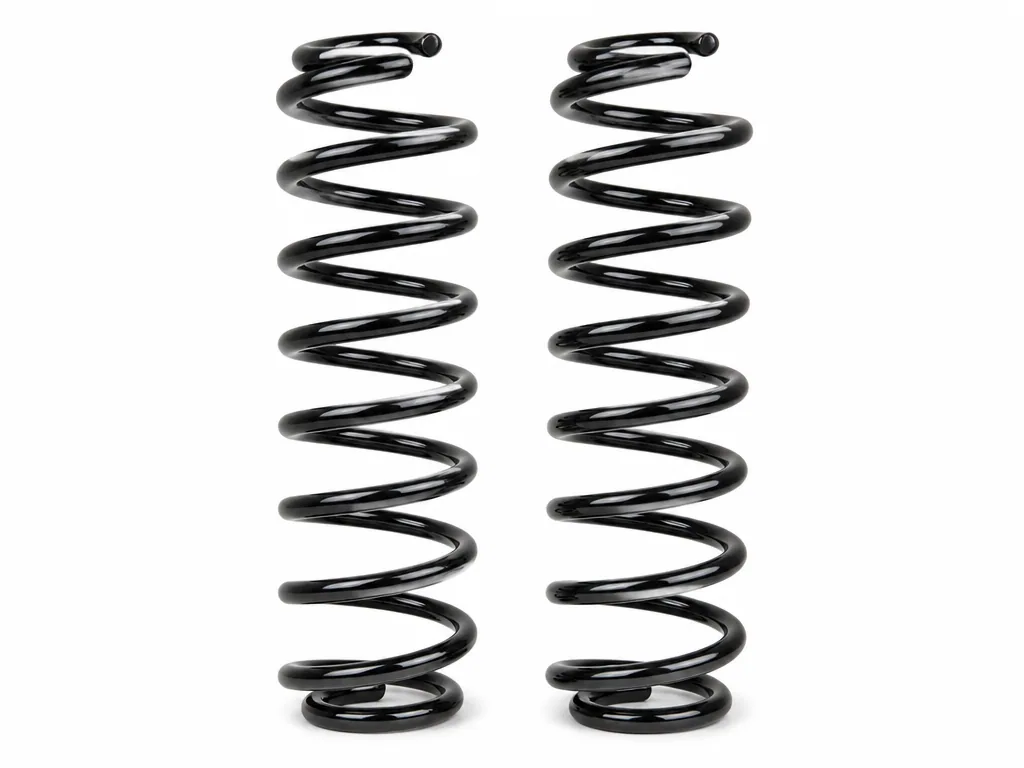
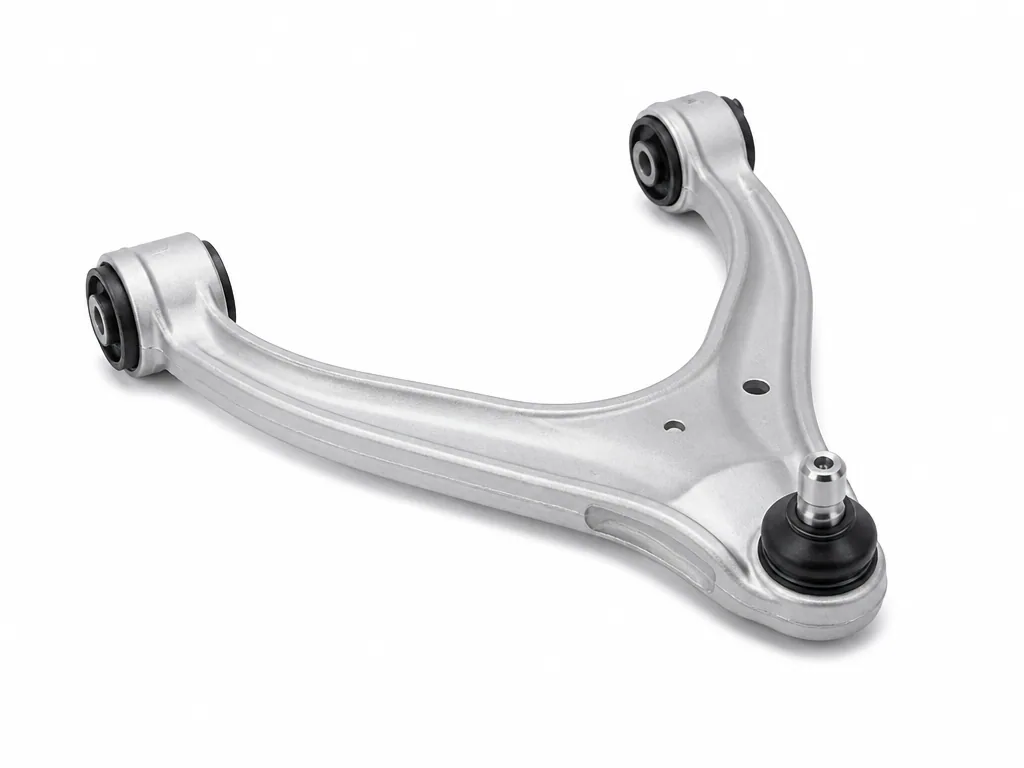
Find your model
Suspension by Land Rover model
Where a model has a known fault in this system, it is flagged below. Each model page explains what is specific to that generation.
Defender
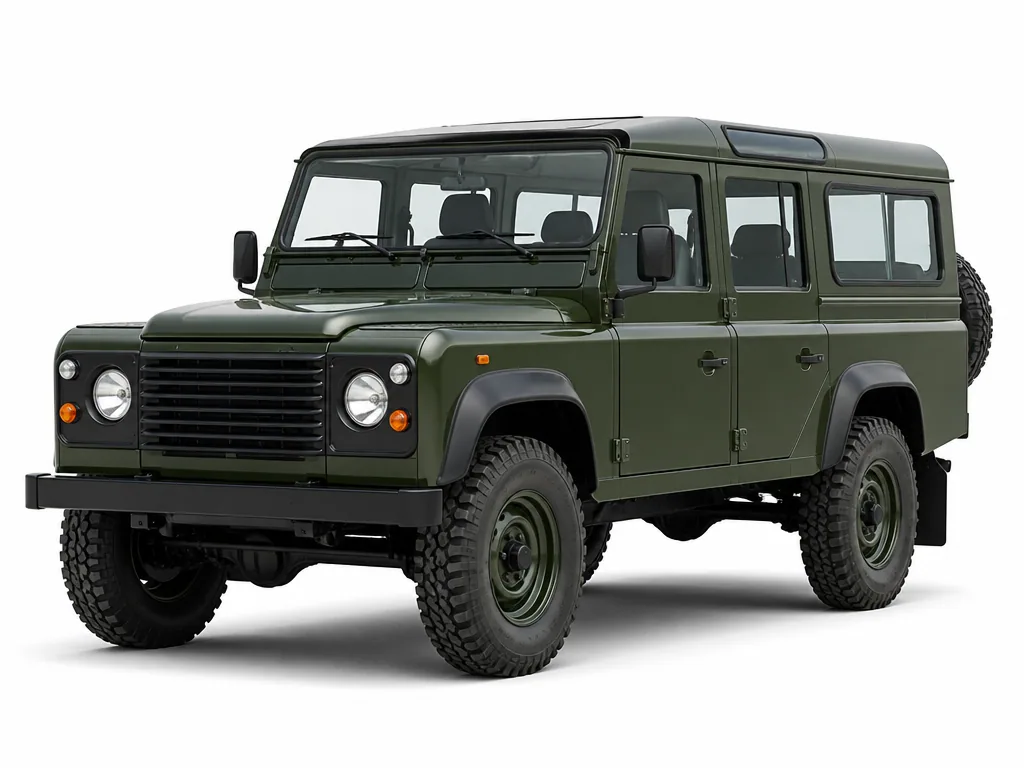
2 models- Defender (Classic) suspension · 1990s–2016
- Defender (L663) suspension · 2020–present
Discovery
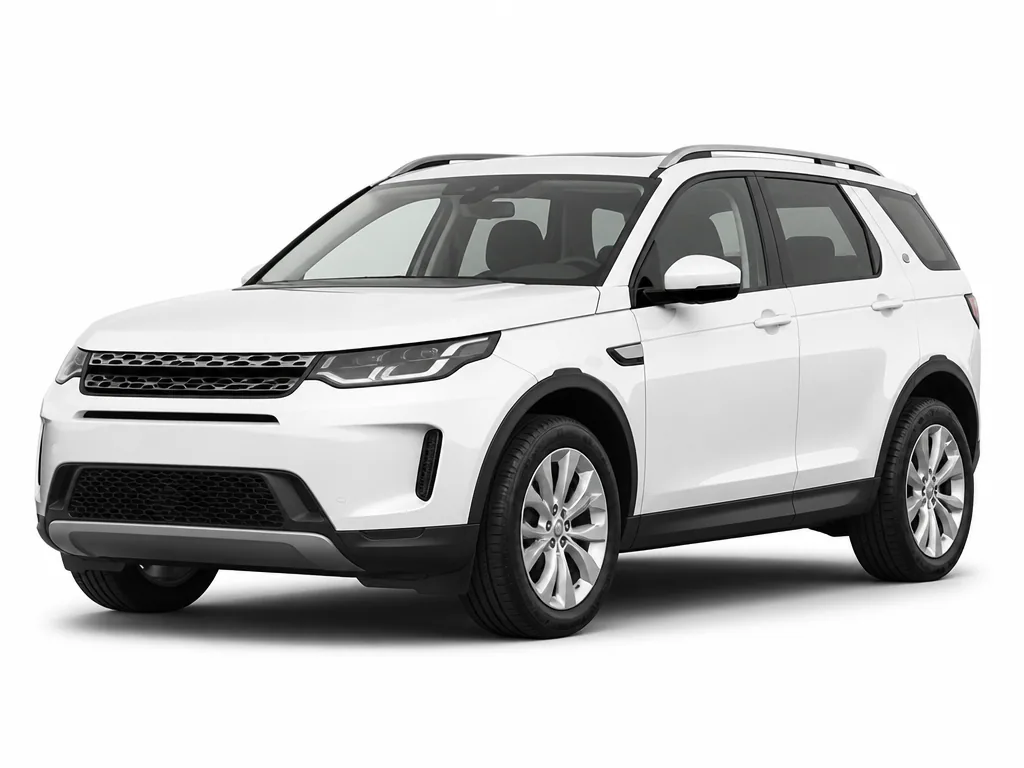
5 models- Discovery Sport suspension · 2015–present
- Discovery 5 suspension · 2017–present
Range Rover
9 models- Range Rover Sport (L320) suspension · 2005–2013 Known issue: Front lower arms, hubs and differential
- Range Rover Sport (L494) suspension · 2013–2022
- Range Rover (L405) suspension · 2013–2022
- Range Rover Evoque (L538) suspension · 2011–2019
- Range Rover Velar suspension · 2017–present
- Range Rover Evoque (L551) suspension · 2019–present
- Range Rover (L460) suspension · 2022–present
- Range Rover Sport (L461) suspension · 2022–present
Freelander
2 models- Freelander 1 suspension · 1998–2006
Know the part
Understanding Suspension
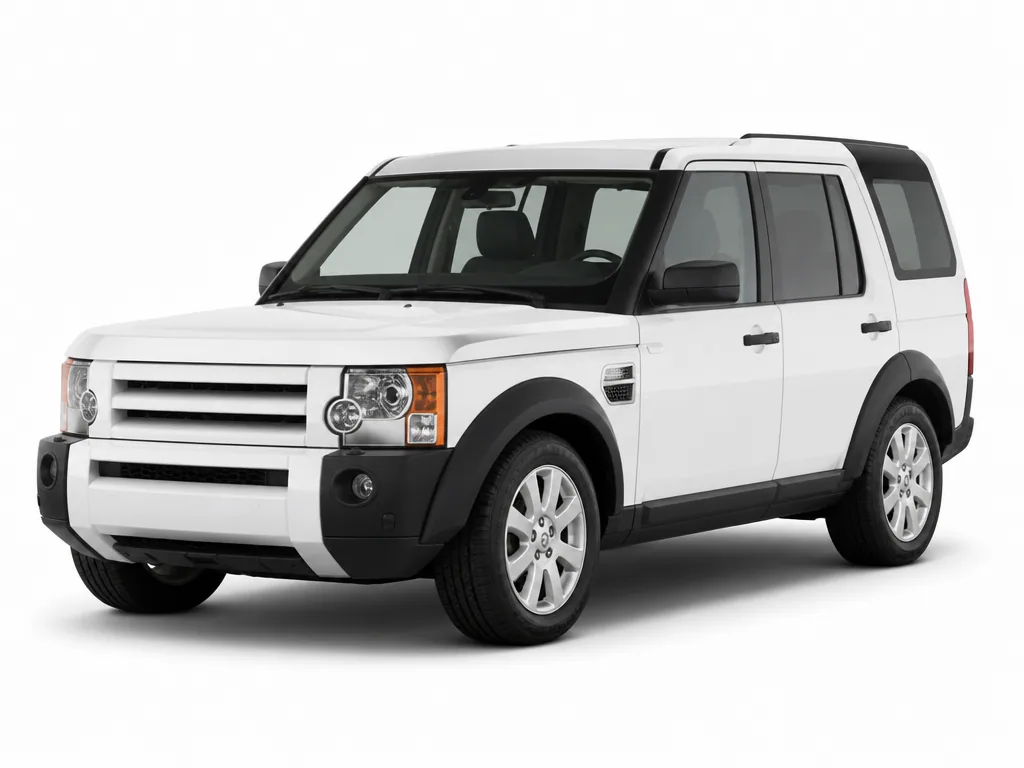
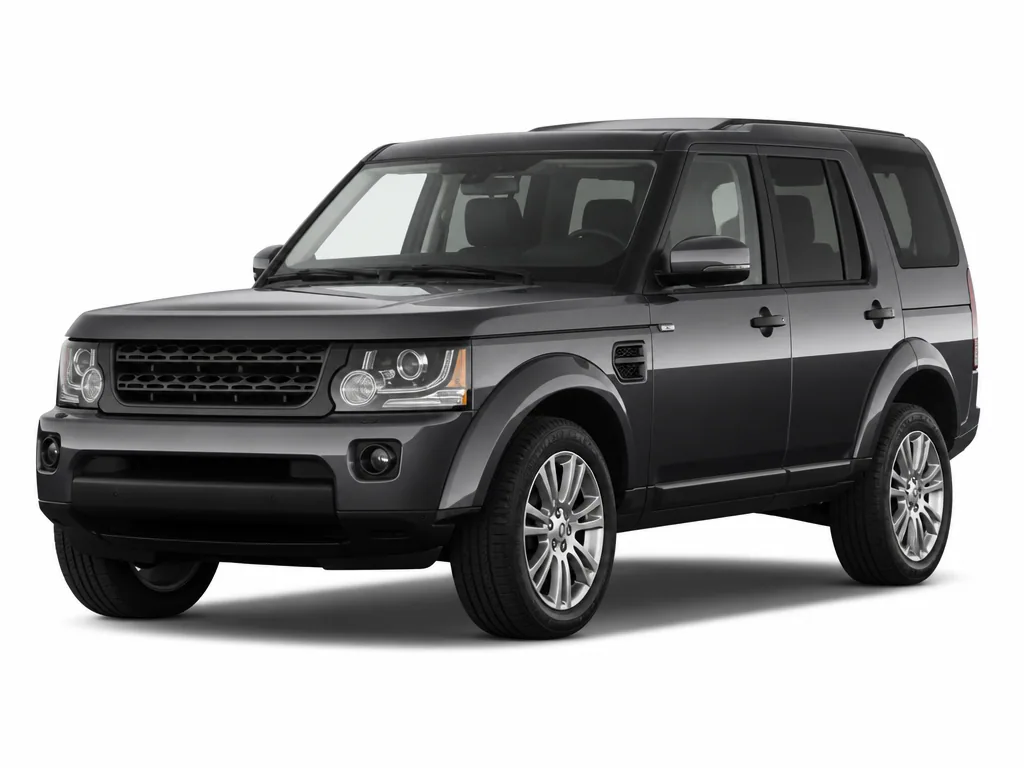
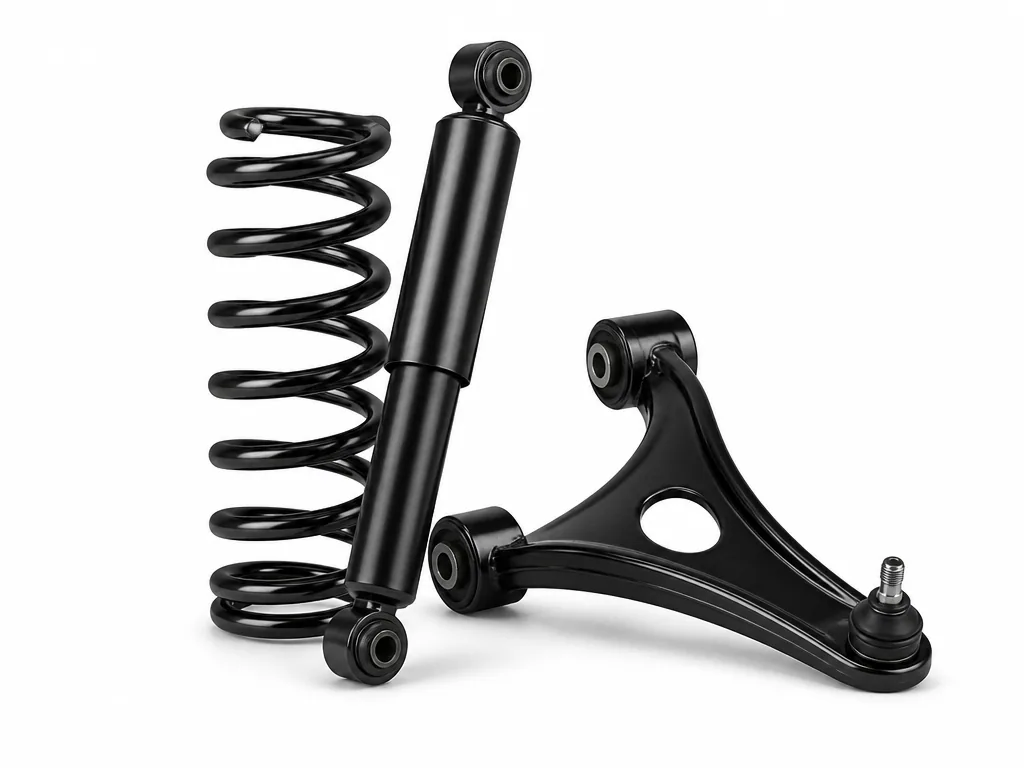
Land Rover suspension falls into three broad families. Classic Defenders, Discovery 1 and 2 and the older Range Rovers use beam axles on coil springs, located by radius arms, trailing links and Panhard rods. Discovery 3, Discovery 4, Range Rover Sport and the Range Rovers from the L322 onwards use independent suspension, mostly with electronic air suspension. Freelander, Evoque and Discovery Sport use strut-type independent suspension on coil springs.
South African gravel roads, corrugations and potholes are hard on bushes, ball joints and shock absorbers. Knowing which suspension family your vehicle belongs to is the first step to ordering the right part.
Further reading
- Car suspension – Wikipedia
Background on vehicle suspension types, from beam axles to independent designs.
Questions
Common Questions About Land Rover suspension
Does my Land Rover have air suspension or coil springs?
Discovery 3, Discovery 4, Range Rover Sport and full-size Range Rovers from the L322 onwards mostly use air suspension, and you will see ride height controls on the dashboard or centre console. Classic Defenders, Discovery 1 and most Freelanders, Evoques and Discovery Sports use coil springs. Some models, including the Discovery 2, Discovery 5, Velar and new Defender, were offered with either depending on version. Check the VIN or look for air springs at the wheels.
Why does my Land Rover clunk over bumps?
Worn anti-roll bar drop links, bushes and ball joints are the most common causes. On coil-sprung Defenders and Discoverys, check radius arm and Panhard rod bushes. On Discovery 3 and 4, front lower arm bushes are a common wear point. A workshop can pinpoint it with the vehicle on a lift.
Do I need a wheel alignment after suspension work?
Yes, after replacing arms, tie rods, track rod ends or anything that affects geometry. Correct alignment protects your tyres, which are an expensive item on a 4x4.
What do I need to send when ordering suspension parts?
The VIN, model, year and whether the vehicle has air or coil suspension. For Defenders, also give the wheelbase (90, 110 or 130), and mention any lift kit.
Keep browsing
Other parts categories
Not sure which part fits?
Send your VIN or engine code and the SparesBoyz parts team will check fitment before quoting. Parts are couriered nationwide.