
Parts by system
Land Rover Brakes
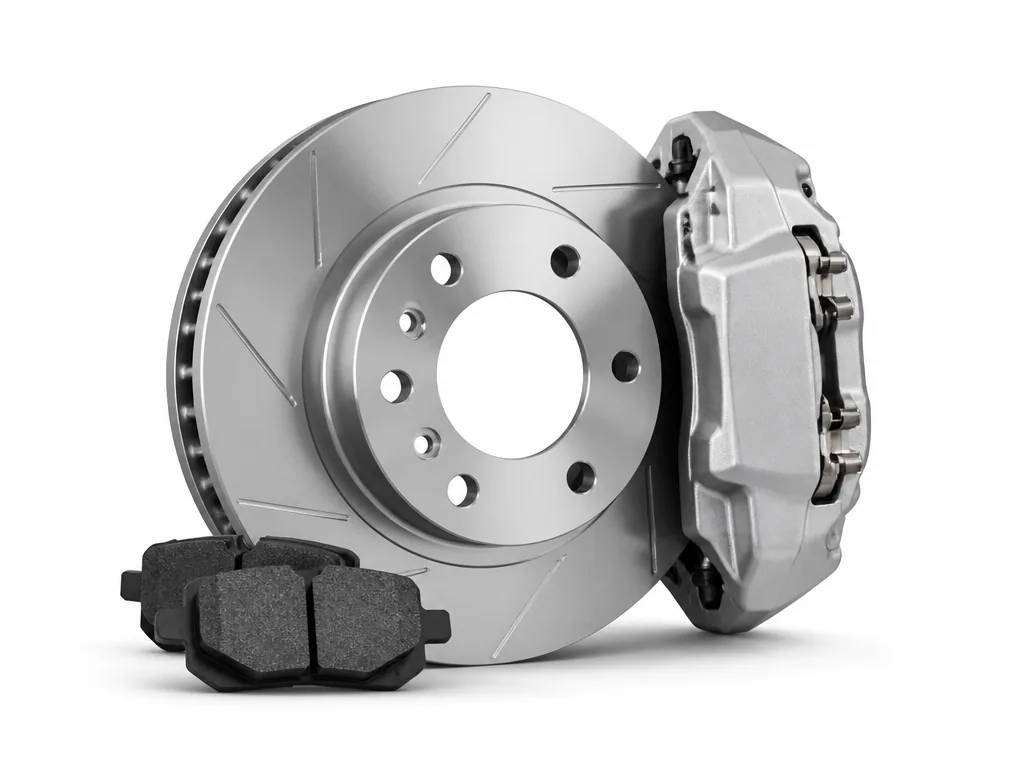
Brake parts sized for heavy Land Rover SUVs, from pads and discs to calipers and parking brake components.
- Fitment checked against your VIN
- Couriered nationwide
- Supplied from Durban North
Choose a part
Narrow down your brakes
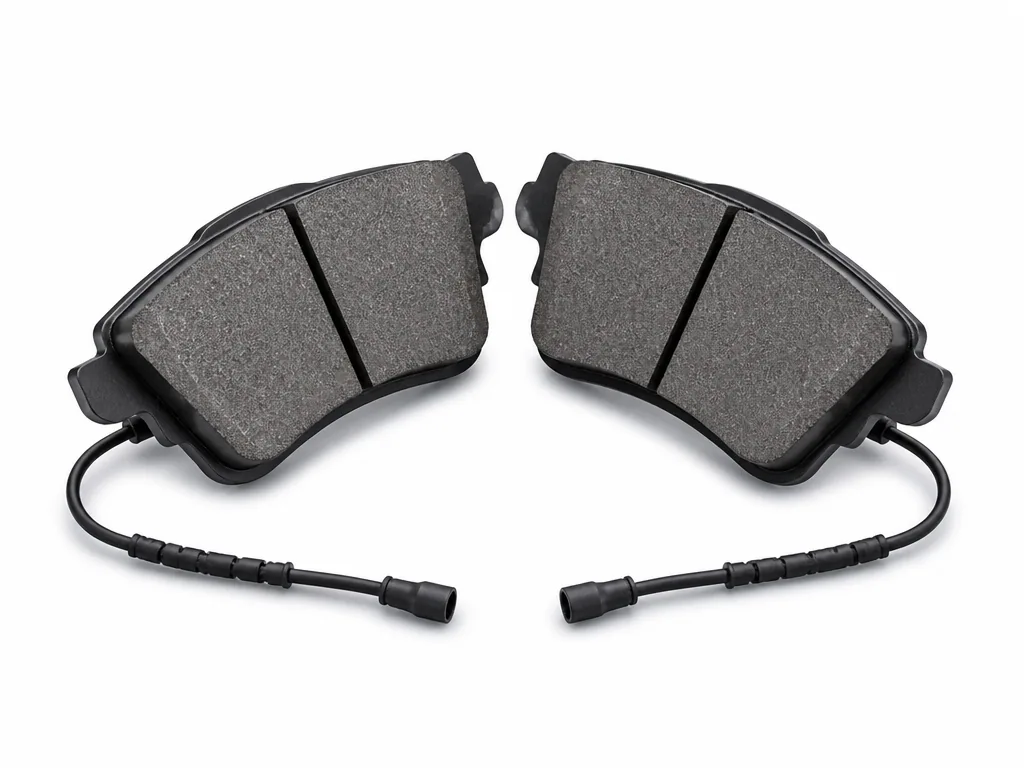
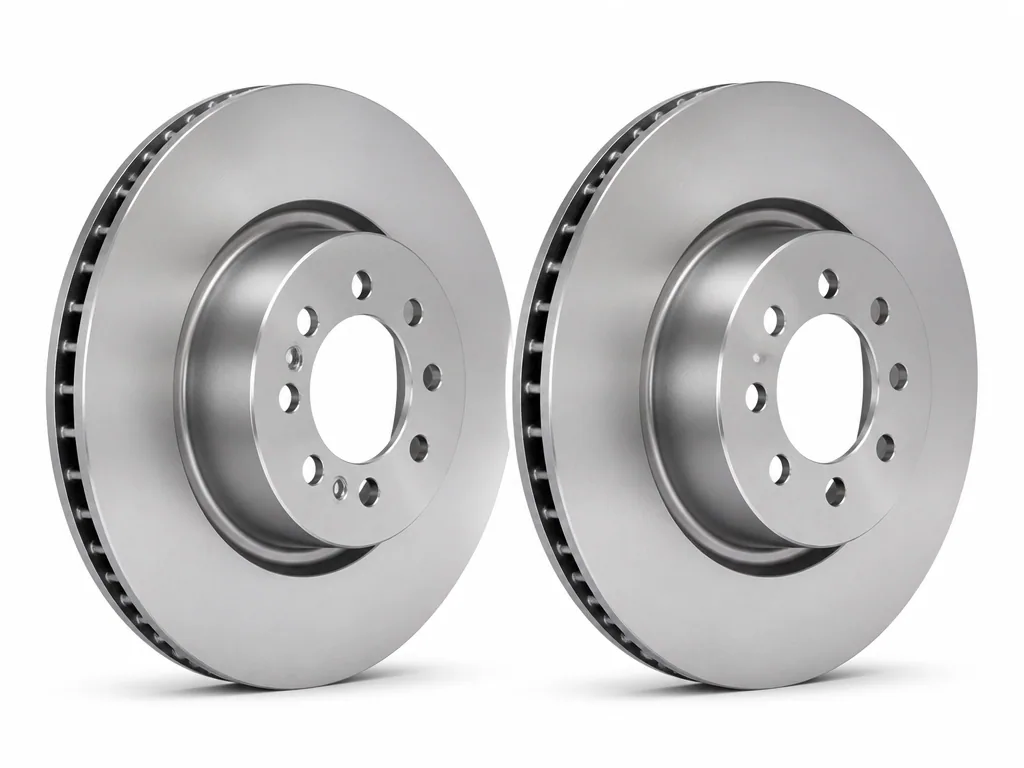
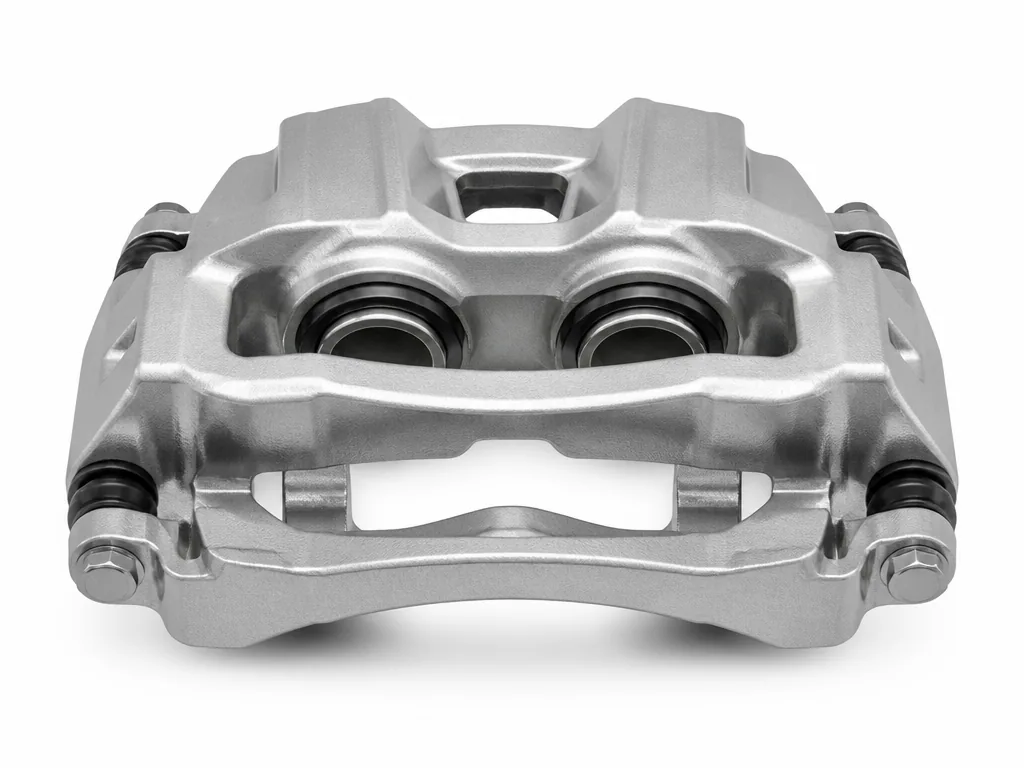
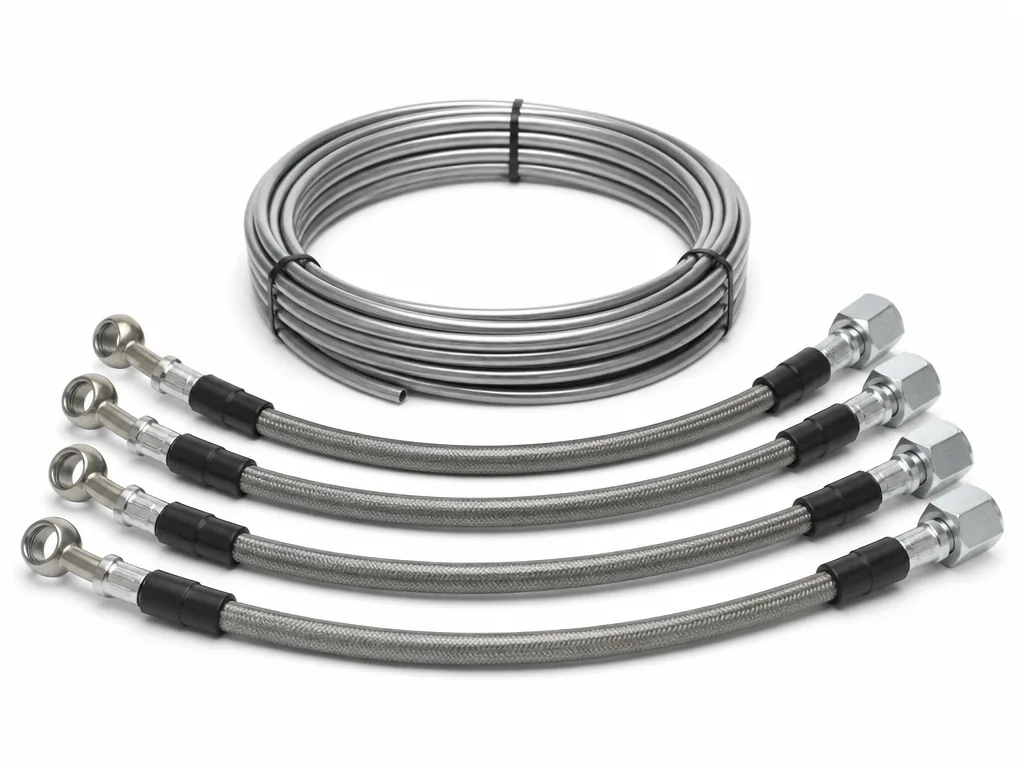
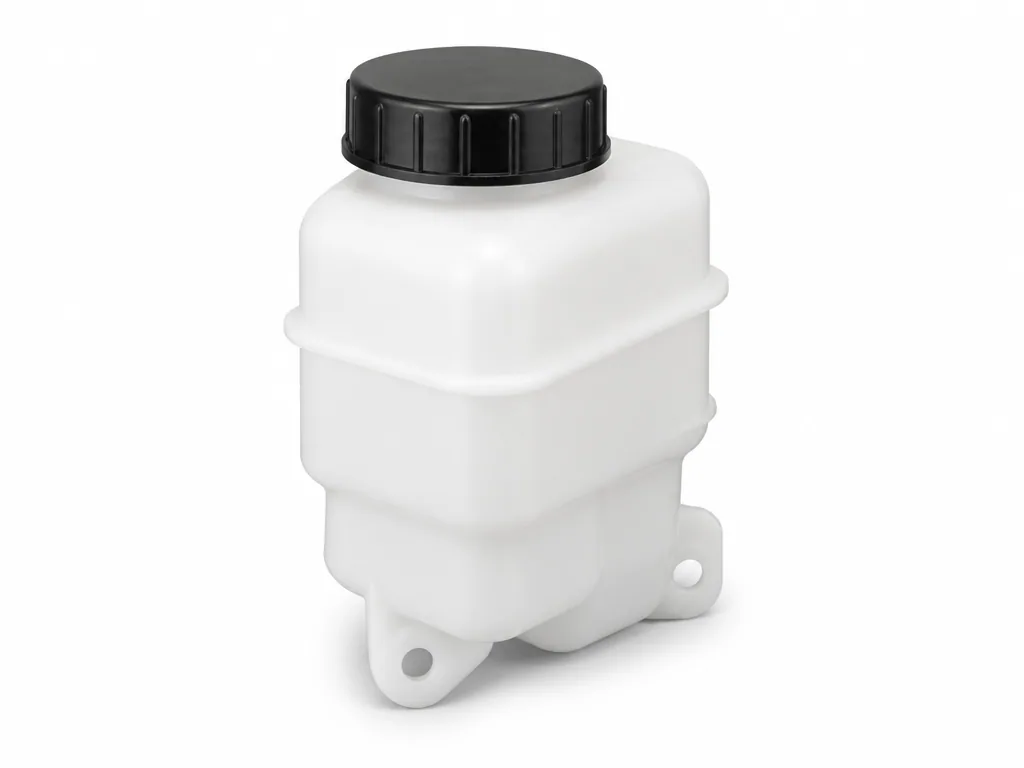
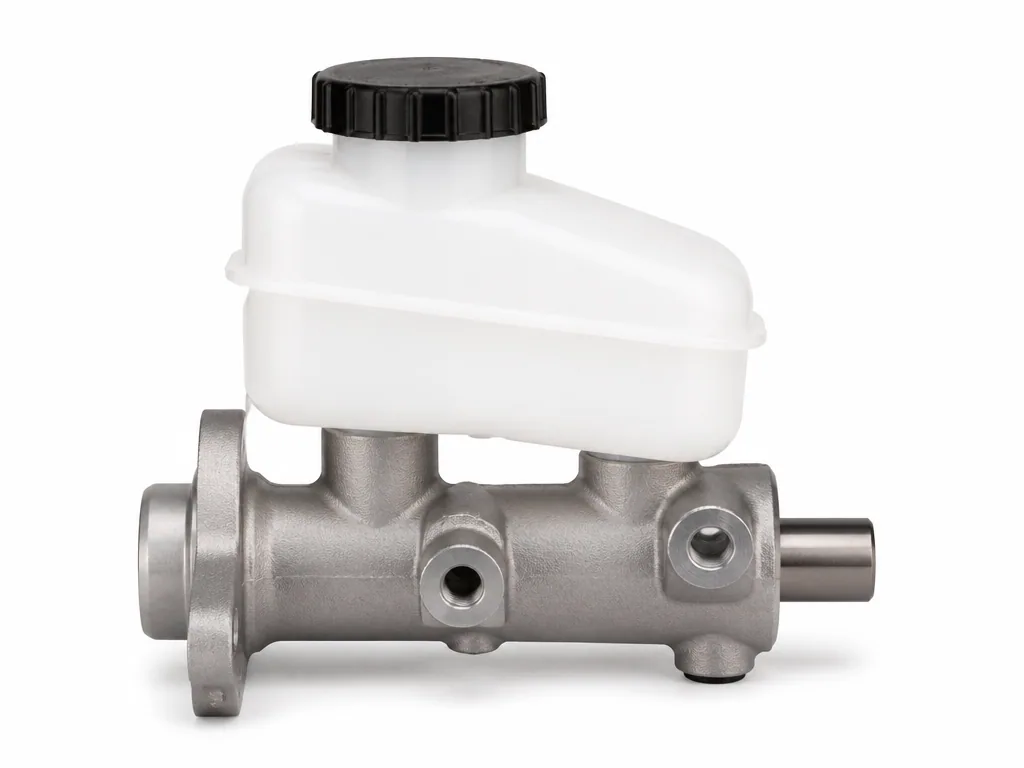
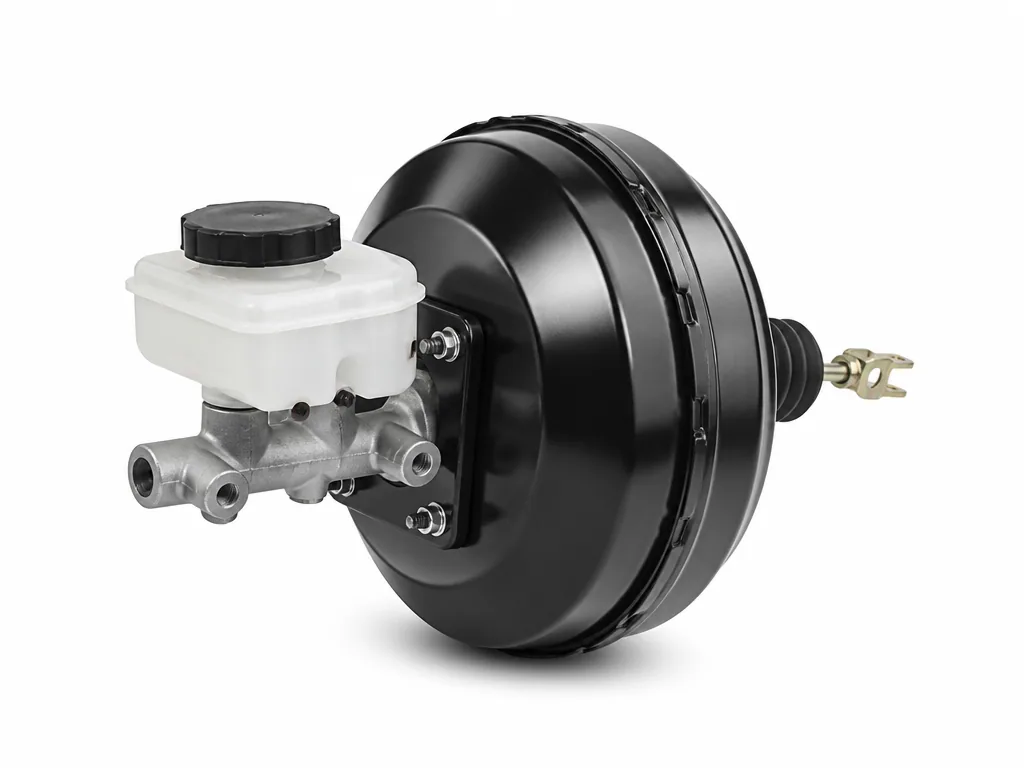
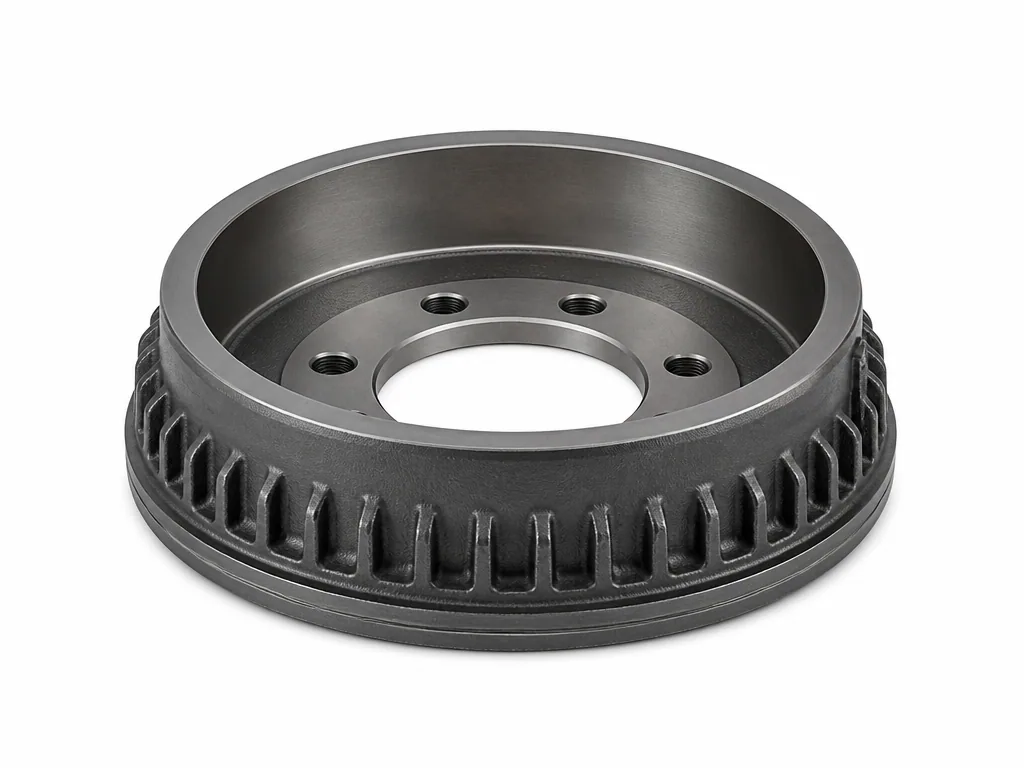
Find your model
Brakes by Land Rover model
Where a model has a known fault in this system, it is flagged below. Each model page explains what is specific to that generation.
Defender
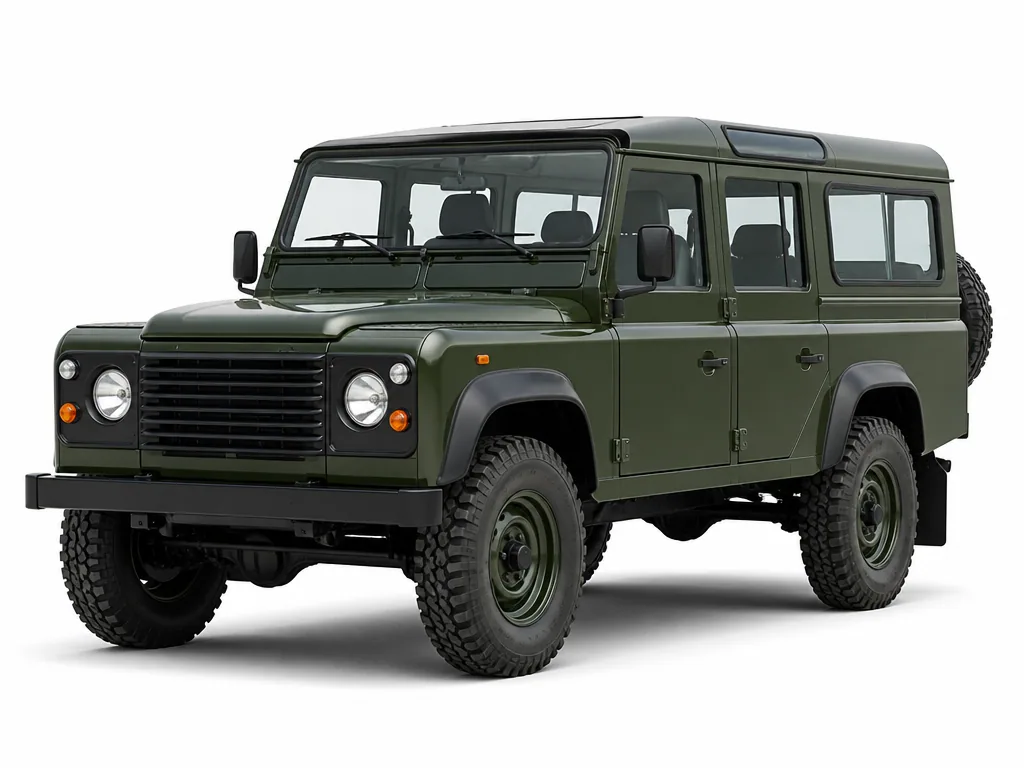
2 models- Defender (Classic) brakes · 1990s–2016
- Defender (L663) brakes · 2020–present
Discovery
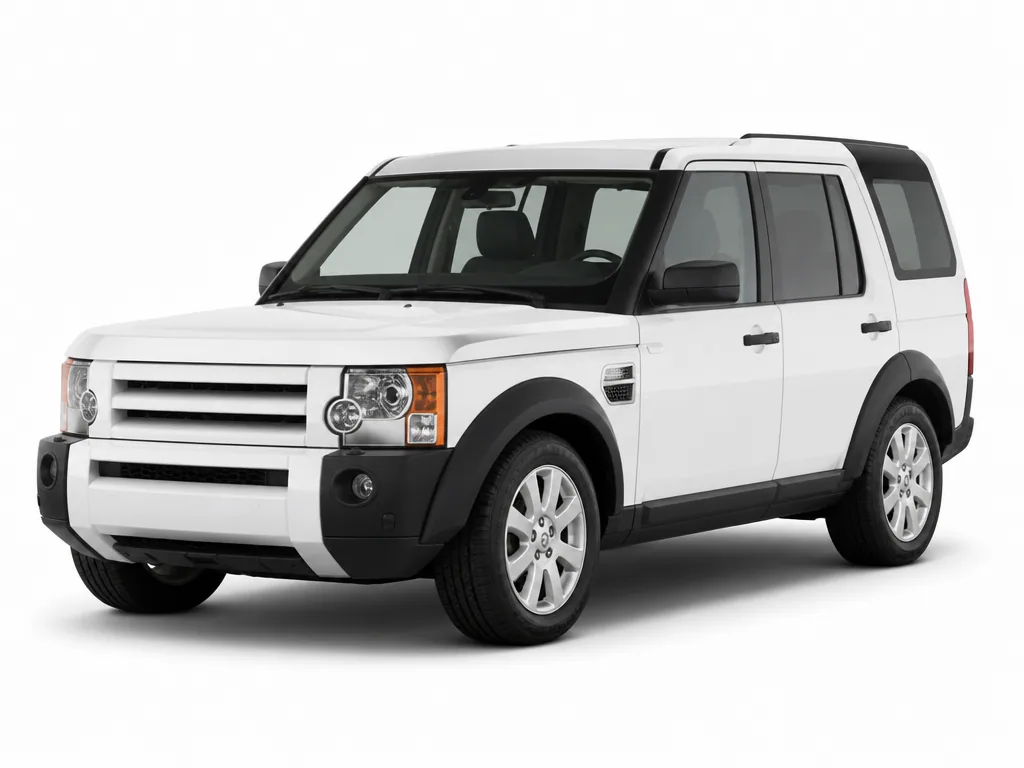
5 models- Discovery 3 brakes · 2005–2009
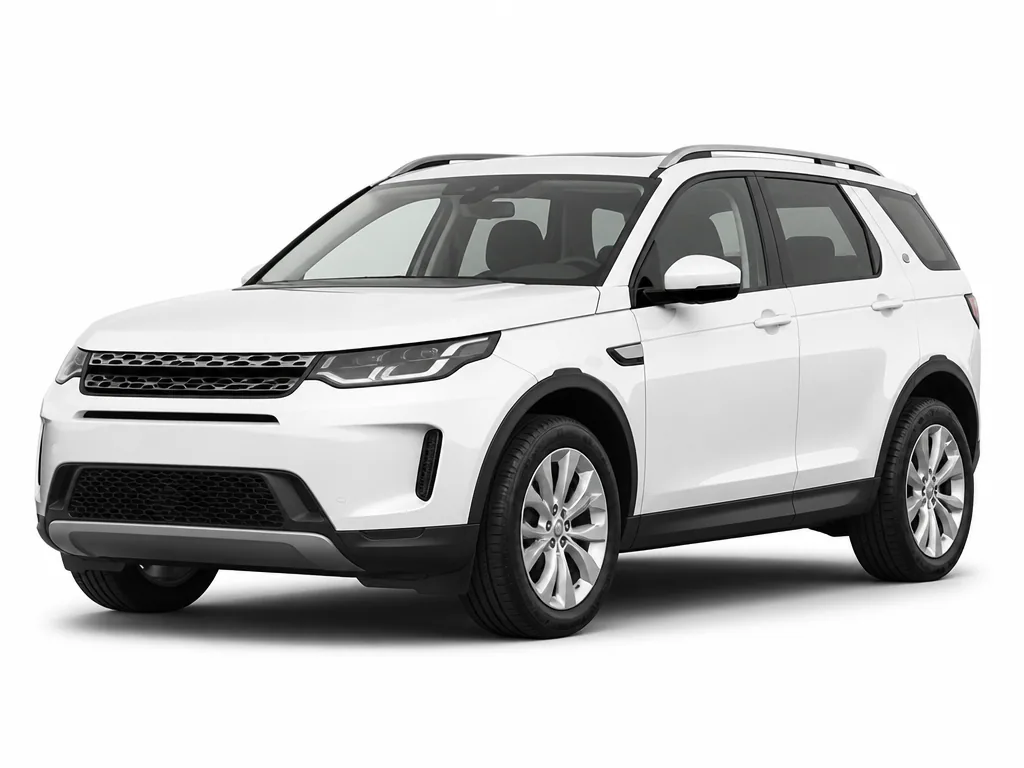
- Discovery Sport brakes · 2015–present
- Discovery 5 brakes · 2017–present
- Discovery 2 brakes · 1999–2004
Range Rover
9 models- Range Rover Sport (L494) brakes · 2013–2022
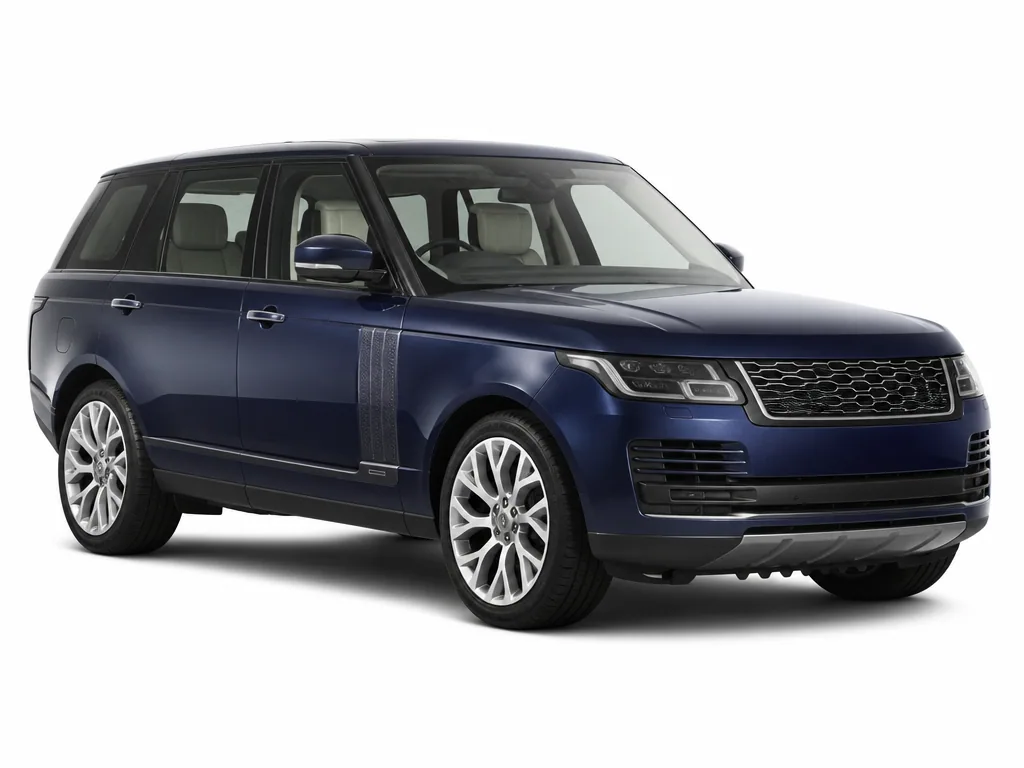
- Range Rover (L405) brakes · 2013–2022
- Range Rover Evoque (L538) brakes · 2011–2019
- Range Rover (L322) brakes · 2002–2012
- Range Rover Velar brakes · 2017–present
- Range Rover Evoque (L551) brakes · 2019–present
- Range Rover (L460) brakes · 2022–present
- Range Rover Sport (L461) brakes · 2022–present
Freelander
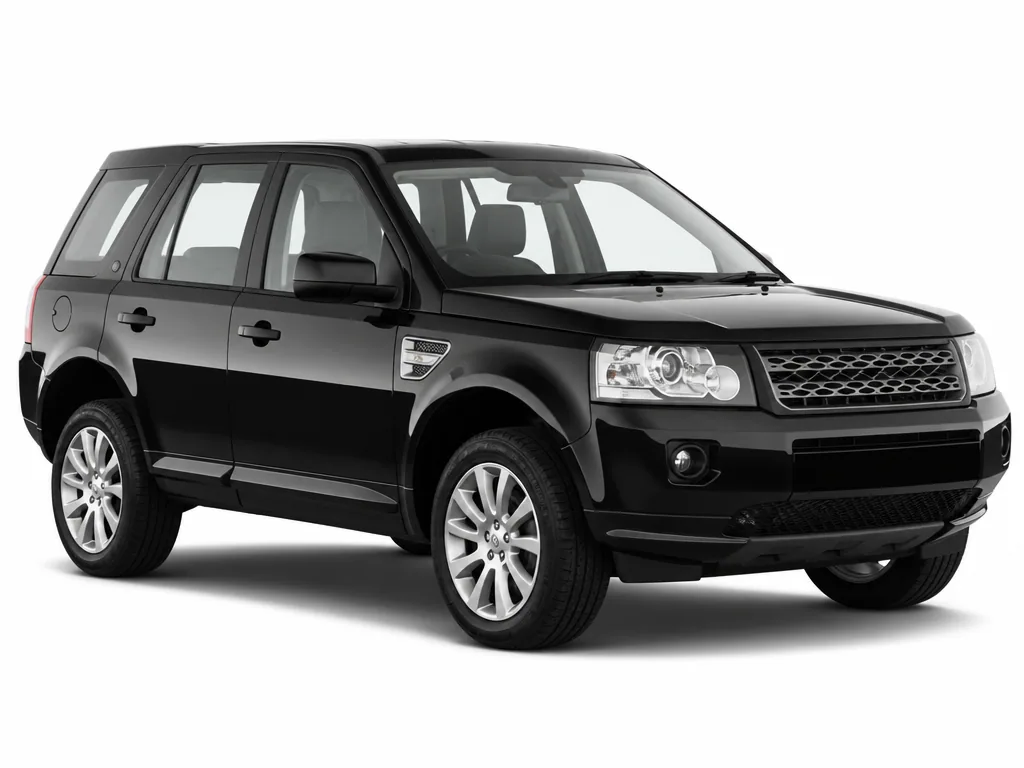
2 models- Freelander 2 brakes · 2007–2015
- Freelander 1 brakes · 1998–2006
Know the part
Understanding Brakes
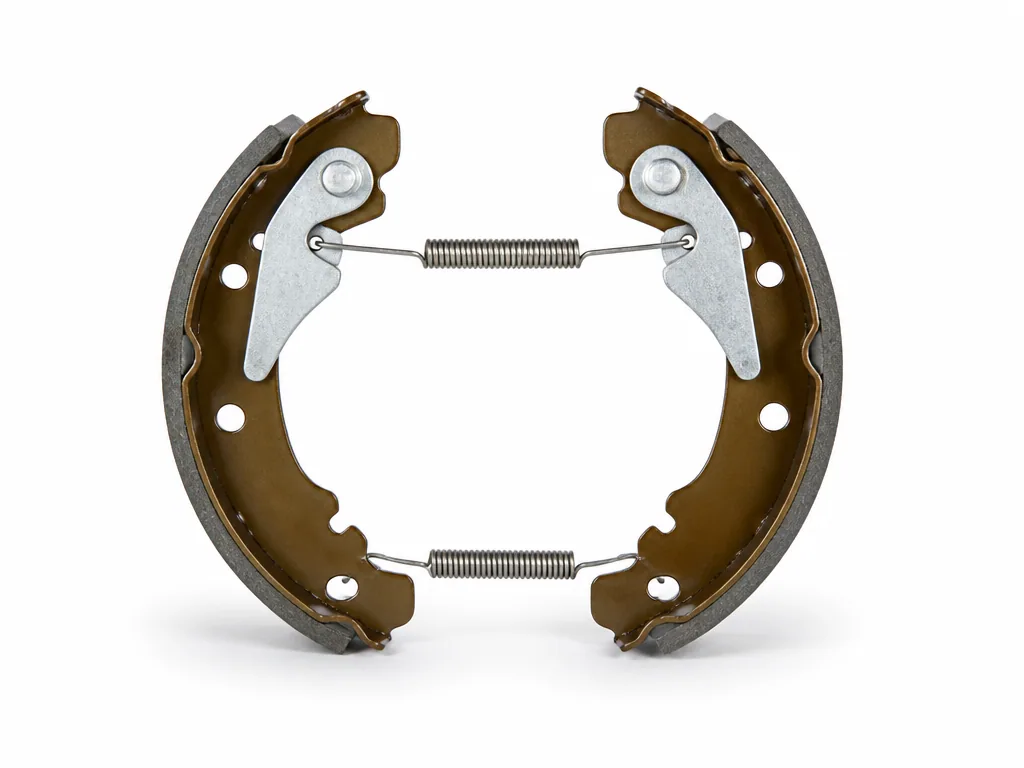
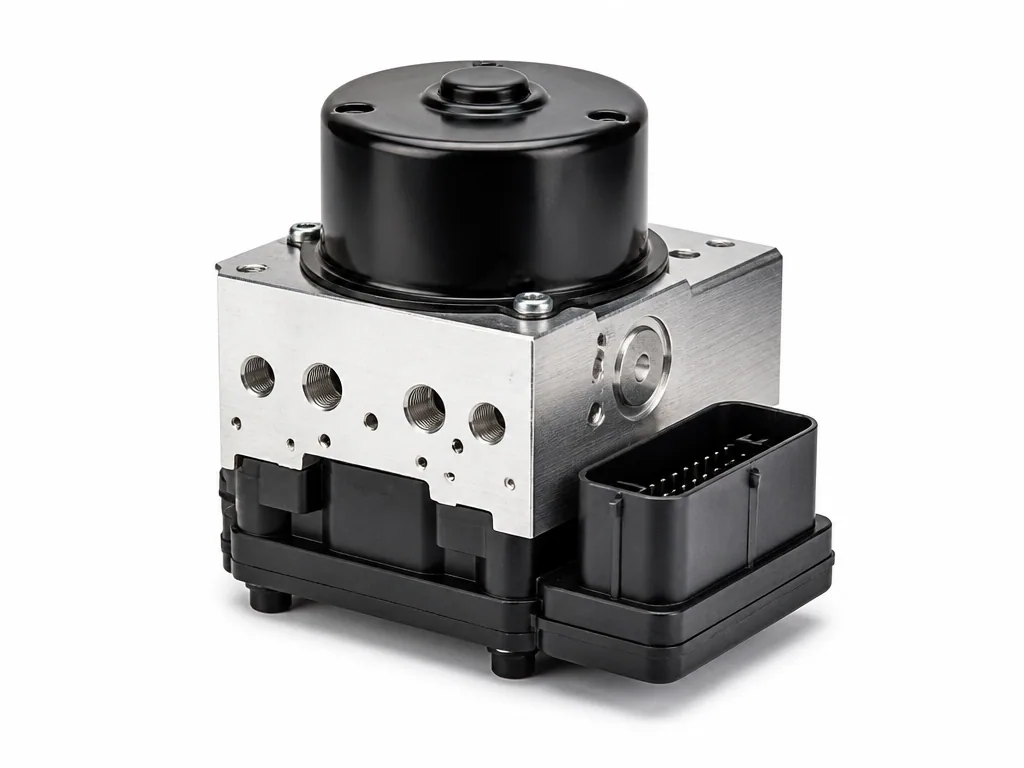
The braking system on a Land Rover includes the pads and discs at each wheel, the calipers that clamp them, the hydraulic lines and master cylinder, the servo that boosts pedal effort, the ABS system and the parking brake. Land Rovers are heavy vehicles, and a loaded Discovery or Range Rover towing a caravan asks a lot of its brakes, especially on long descents such as mountain passes.
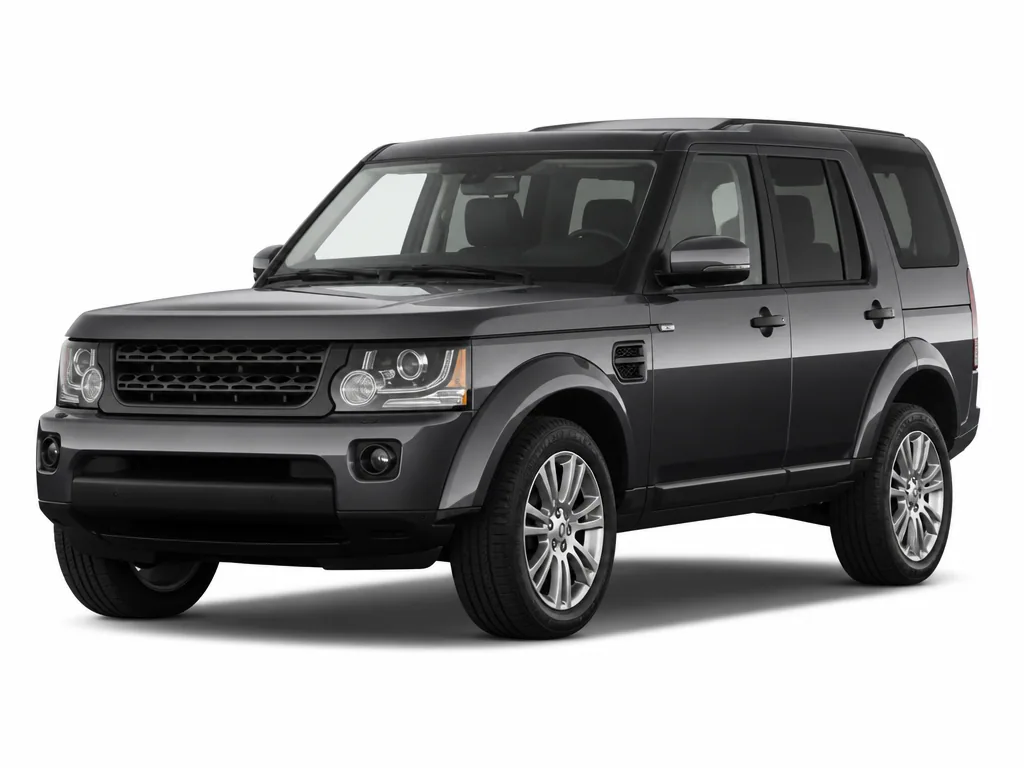
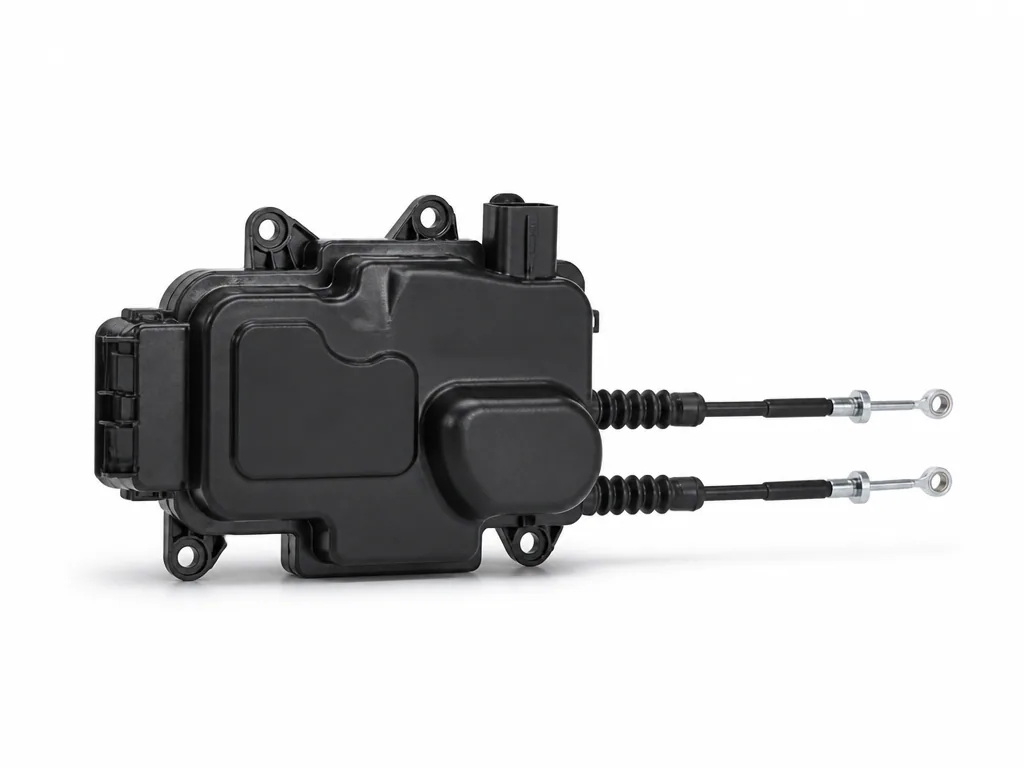
Parking brake designs vary a lot across the range. Classic Defenders and early Discoverys use a drum brake on the back of the transfer case, Discovery 3, Discovery 4 and the first Range Rover Sport use an electronic parking brake module that pulls shoes inside the rear discs, and many newer models have parking brake motors built into the rear calipers.
Further reading
- Disc brake – Wikipedia
Background on how discs, pads and calipers work together.
Questions
Common Questions About Land Rover brakes
Why do Land Rover brakes wear quickly?
Weight is the main reason. Discovery and Range Rover models are heavy, and towing, off-road driving, mountain passes and stop-start city traffic all add to the load. Engine braking in a lower gear on long descents takes strain off the brakes and helps the pads and discs last longer.
Should I replace brake pads and discs together?
Replace discs whenever they are below minimum thickness, badly scored or warped. Many workshops fit new discs with every second set of pads on heavy Land Rovers. Always replace pads and discs in axle pairs, both front or both rear, so the vehicle brakes evenly.
Do I need a diagnostic tool to change rear brake pads?
On models with parking brake motors in the rear calipers, the parking brake must be put into service mode with a diagnostic tool before the caliper pistons can be pushed back. On Discovery 3, Discovery 4 and Range Rover Sport L320 the parking brake module also needs to be released correctly before working on the rear brakes. Check your model before starting.
What information do I need to order Land Rover brake parts?
Send the VIN, model and year. Brake sizes differ between engines and trim levels on the same model, and some vehicles have larger brakes than others. A photo of the caliper or a measurement of the disc diameter helps confirm fitment.
Keep browsing
Other parts categories
Not sure which part fits?
Send your VIN or engine code and the SparesBoyz parts team will check fitment before quoting. Parts are couriered nationwide.