






Cooling
Land Rover Radiators
Engine radiators and oil coolers for Land Rover models.
- Fitment checked against your VIN
- Couriered nationwide
- Supplied from Durban North
Find your model
Cooling by Land Rover model
Where a model has a known fault in this system, it is flagged below. Each model page explains what is specific to that generation.
Defender
2 models- Defender (Classic) cooling · 1990s–2016
- Defender (L663) cooling · 2020–present
Discovery
5 models- Discovery 4 cooling · 2009–2017
- Discovery 3 cooling · 2005–2009
- Discovery Sport cooling · 2015–present
- Discovery 5 cooling · 2017–present
- Discovery 2 cooling · 1999–2004
Range Rover
9 models- Range Rover Sport (L320) cooling · 2005–2013
- Range Rover (L405) cooling · 2013–2022
- Range Rover Evoque (L538) cooling · 2011–2019
- Range Rover (L322) cooling · 2002–2012
- Range Rover Velar cooling · 2017–present
- Range Rover Evoque (L551) cooling · 2019–present
- Range Rover (L460) cooling · 2022–present
- Range Rover Sport (L461) cooling · 2022–present
Freelander
2 models- Freelander 2 cooling · 2007–2015
- Freelander 1 cooling · 1998–2006
Know the part
Understanding Radiators
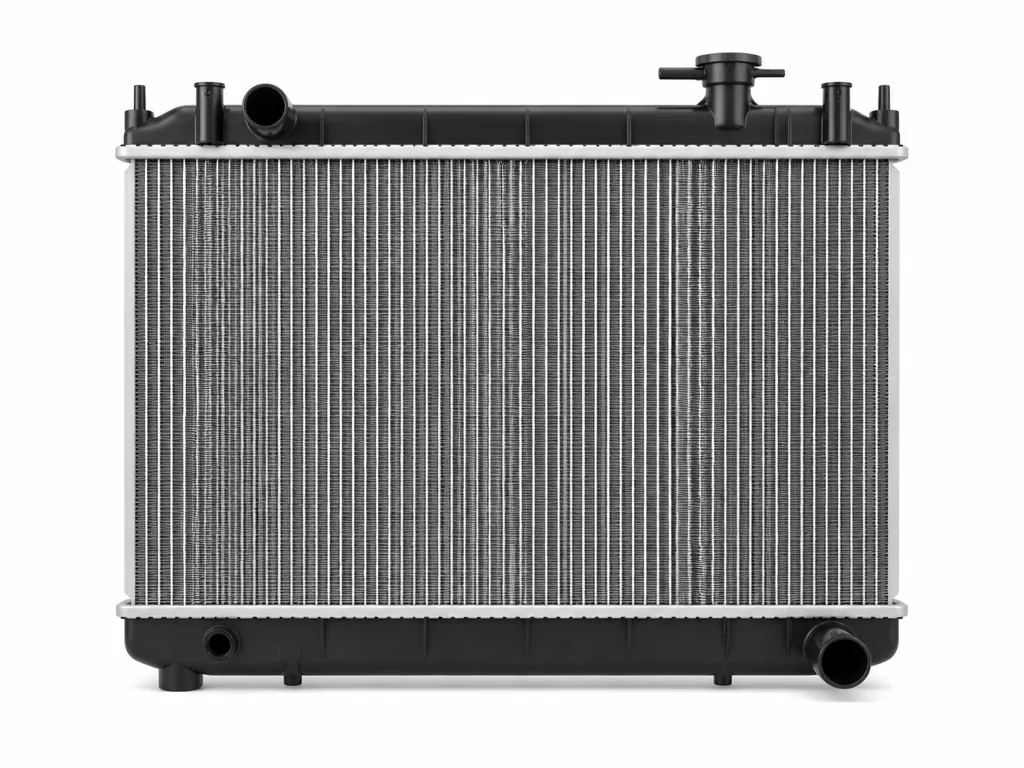
The radiator transfers heat from the engine coolant to the air flowing through it. Most Land Rover radiators have an aluminium core with plastic end tanks, and many incorporate or sit next to the air conditioning condenser, intercooler and transmission cooler.
Off-road driving fills radiator fins with mud, grass seeds and insects, which blocks airflow. The plastic tanks can crack where they join the core, and internal corrosion from old coolant reduces cooling capacity.
Further reading
- Radiator (engine cooling) – Wikipedia
How engine radiators shed heat.
Questions
Common Questions About Land Rover radiators
How do I clean mud and grass seeds out of my radiator?
Rinse gently from the engine side outwards with low-pressure water. A pressure washer can bend the fins. On vehicles used often in grassland, a seed mesh in front of the radiator helps.
Can a cracked plastic radiator tank be repaired?
Repairs are possible, but plastic tanks usually crack because of age and heat, and a repaired radiator often leaks again elsewhere. Replacement is more reliable.
Should I flush the cooling system when fitting a new radiator?
Yes. Flushing removes sludge and old coolant that would otherwise shorten the new radiator's life. Refill with the correct coolant and bleed out air.
What should I send to order a radiator?
The VIN, engine code, and whether the vehicle is manual or automatic, as automatic models may have an integrated transmission cooler.
Keep browsing
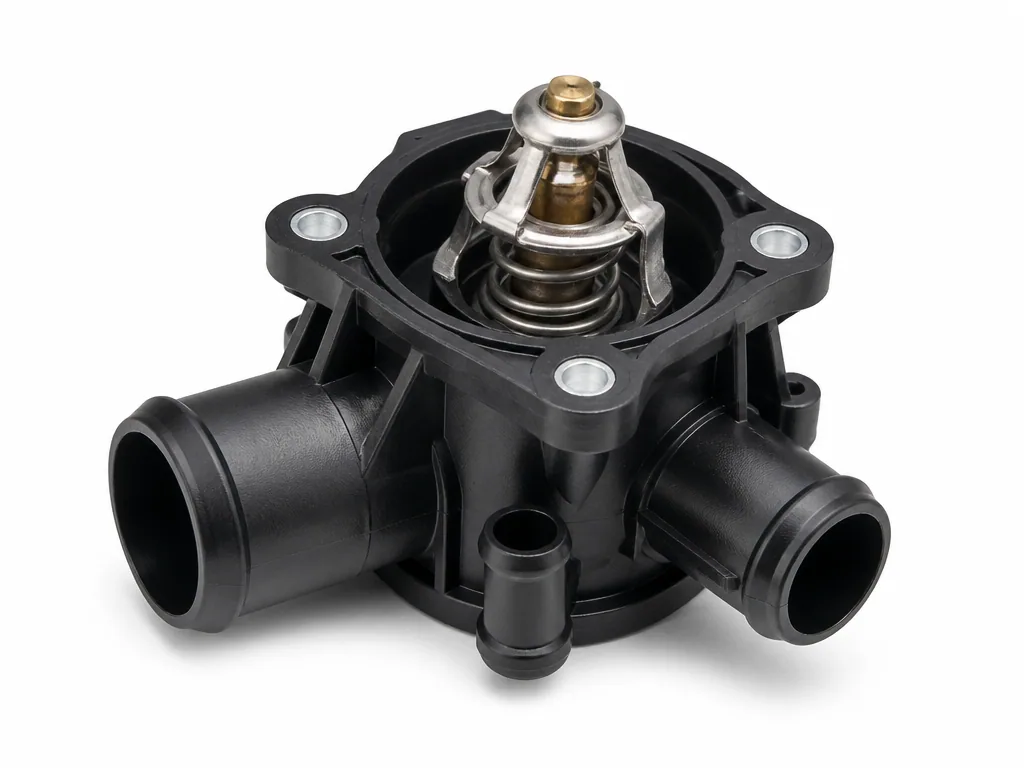
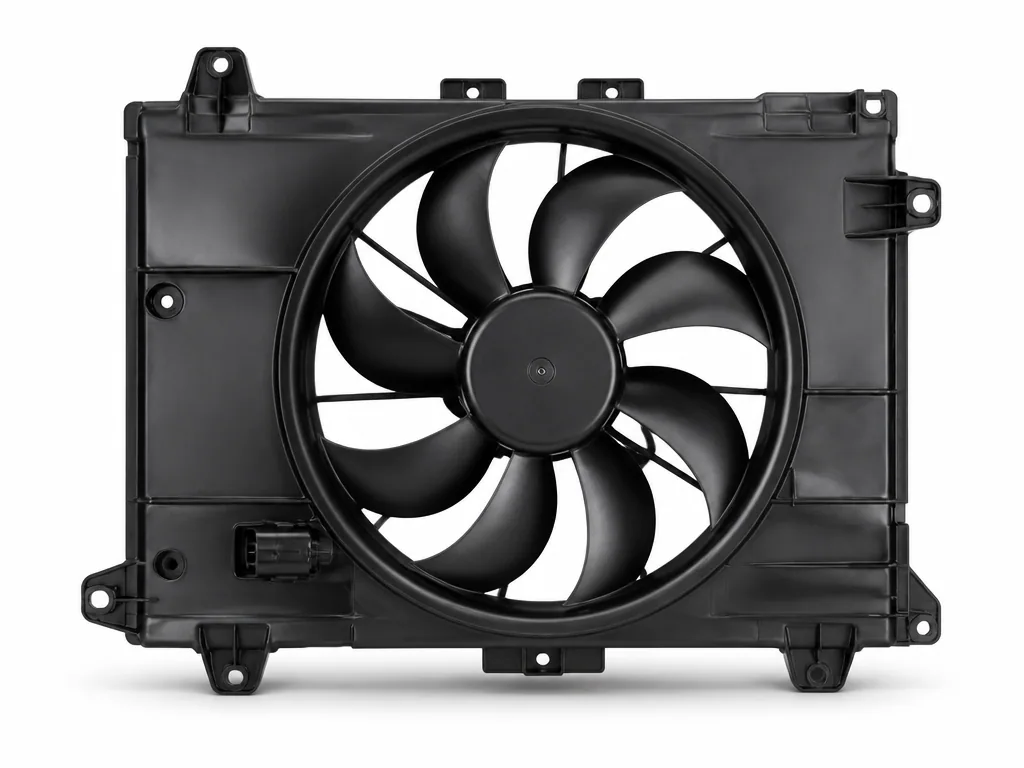
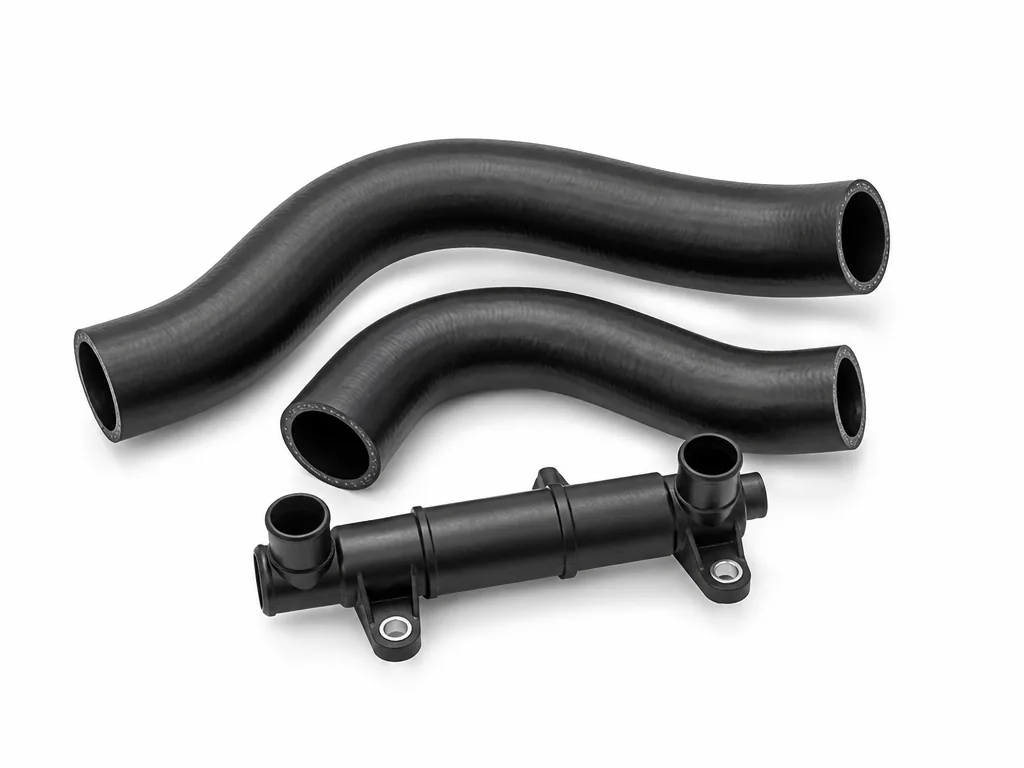
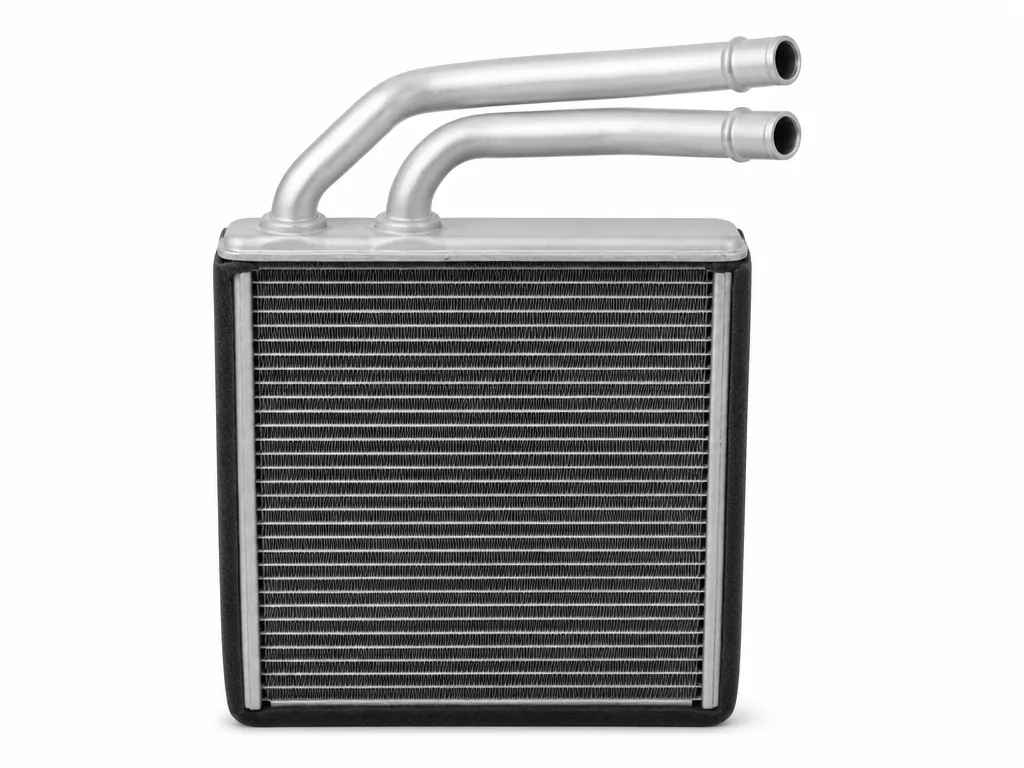
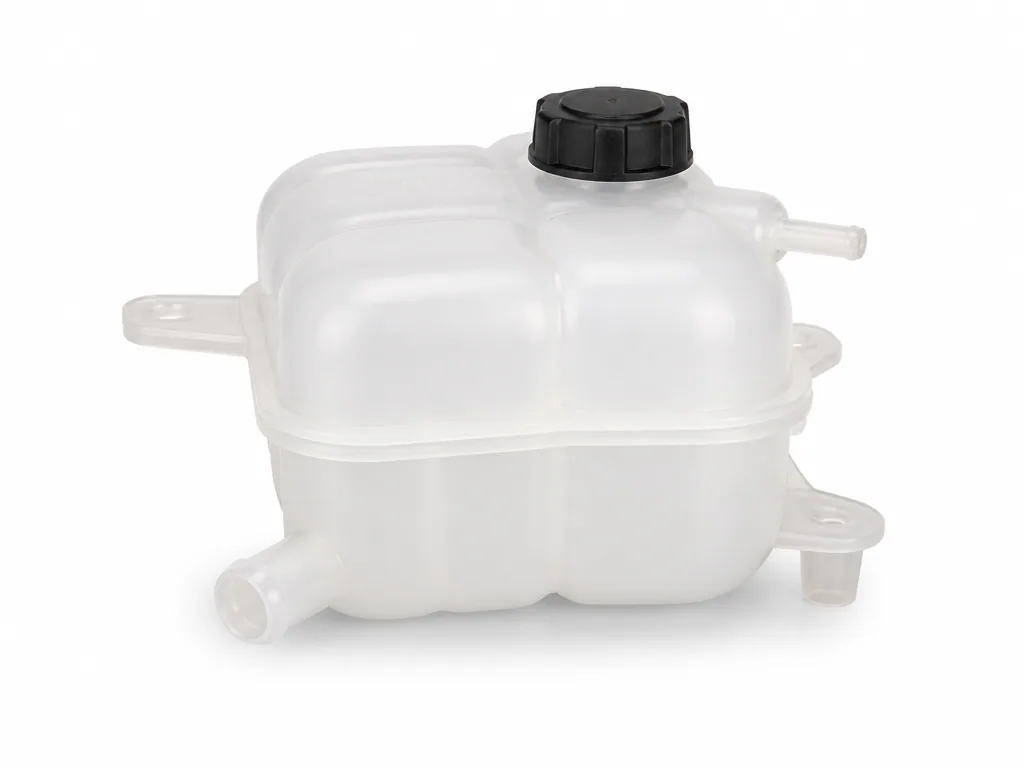
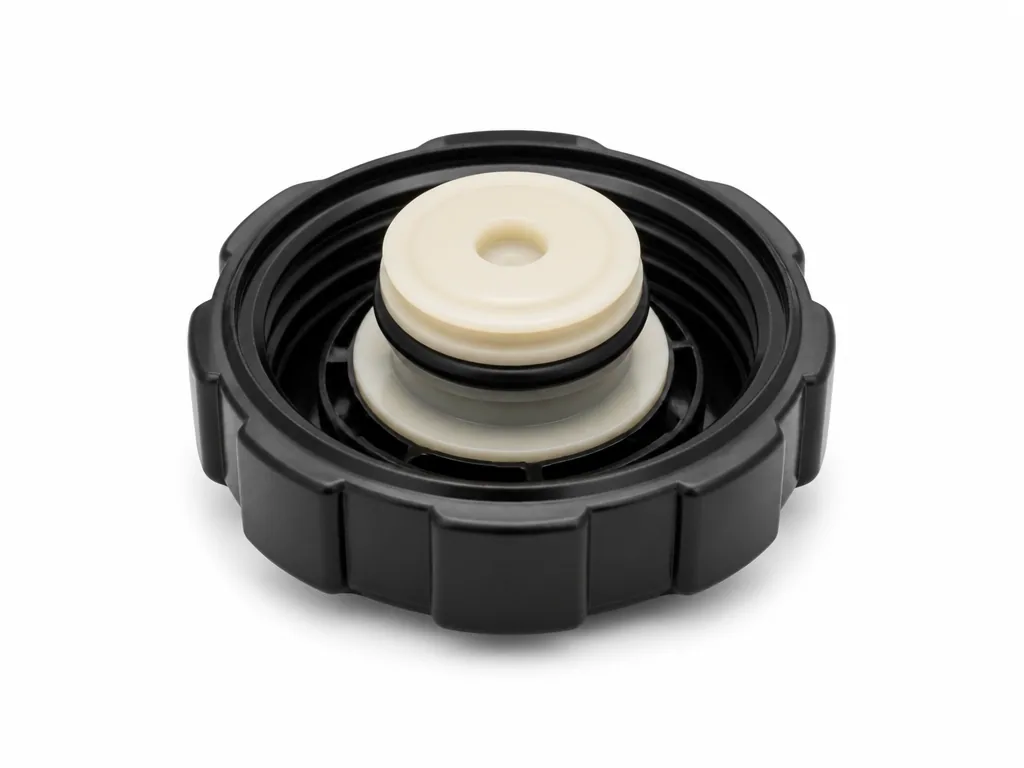
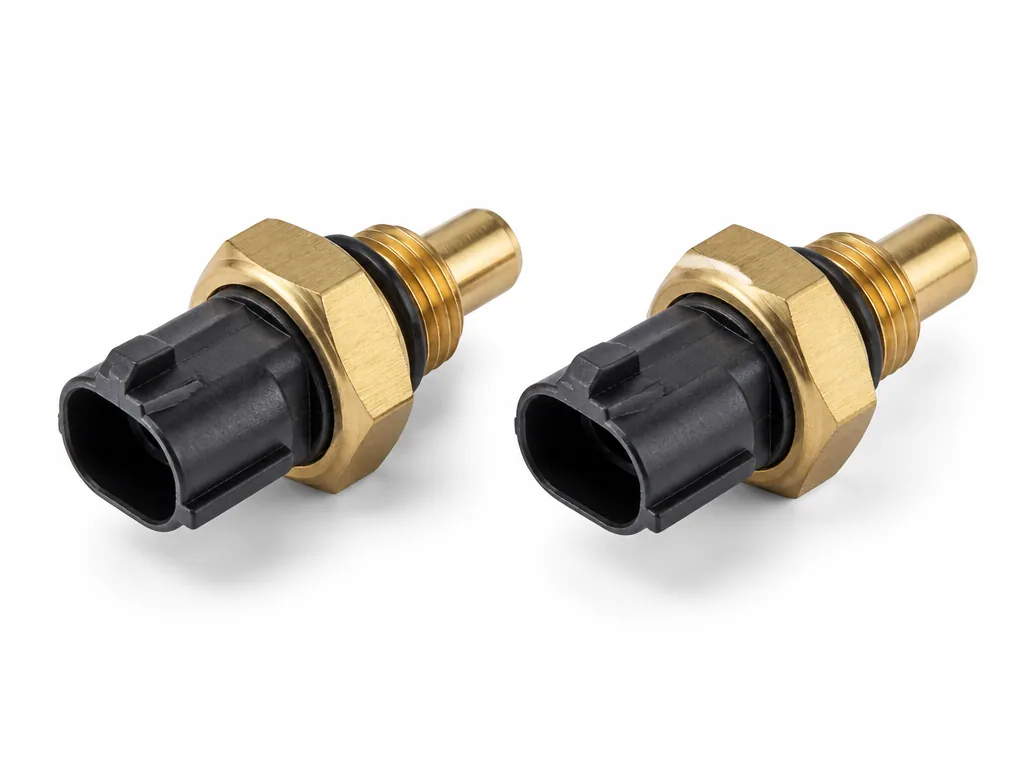
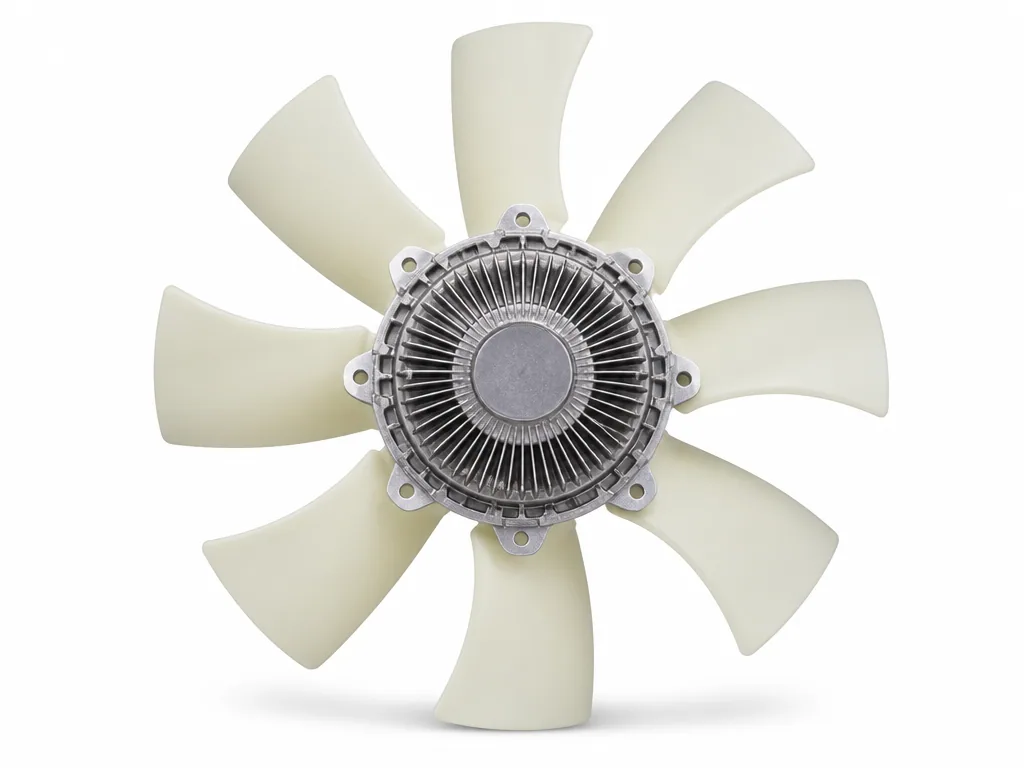
More cooling parts

Not sure which part fits?
Send your VIN or engine code and the SparesBoyz parts team will check fitment before quoting. Parts are couriered nationwide.