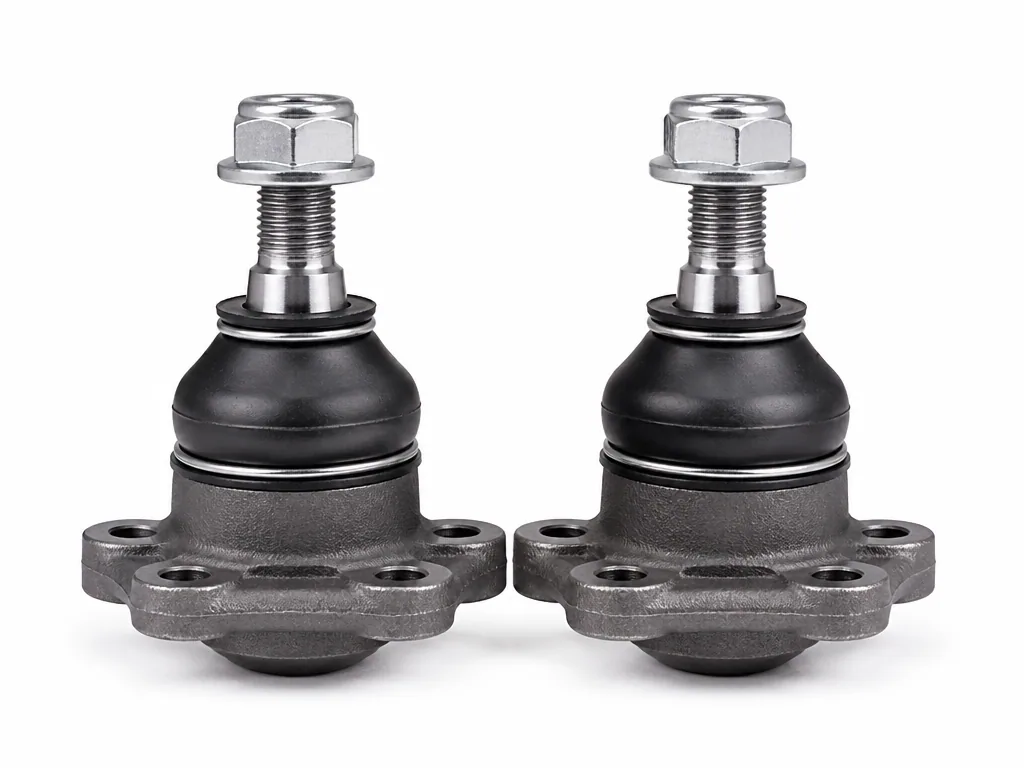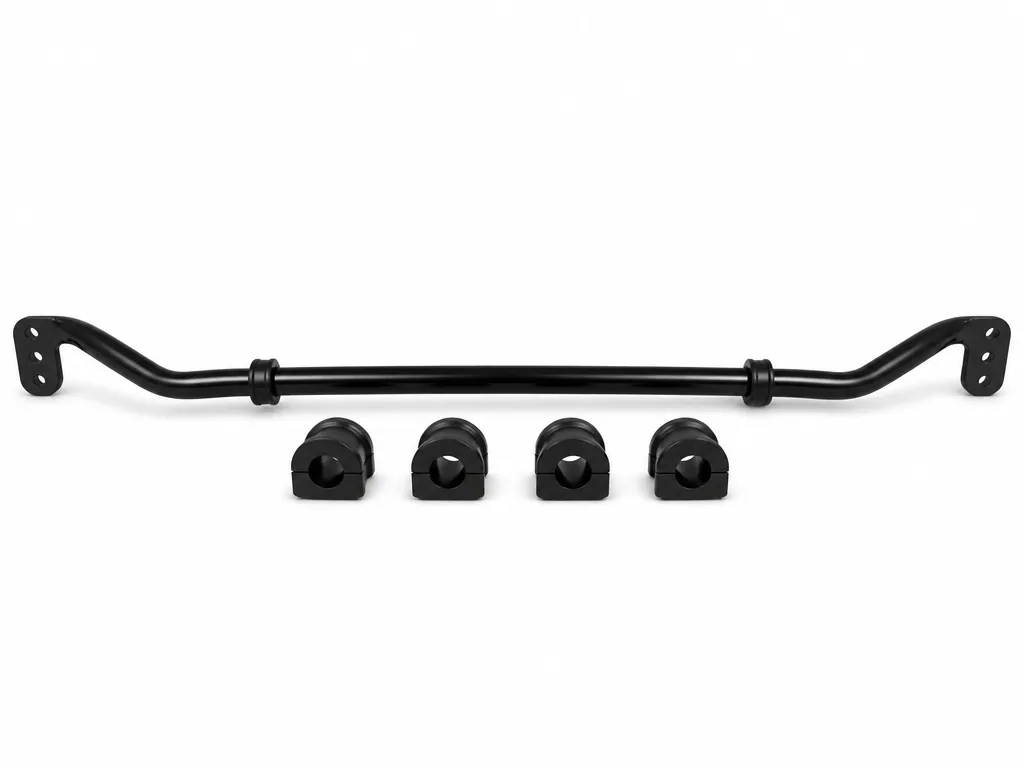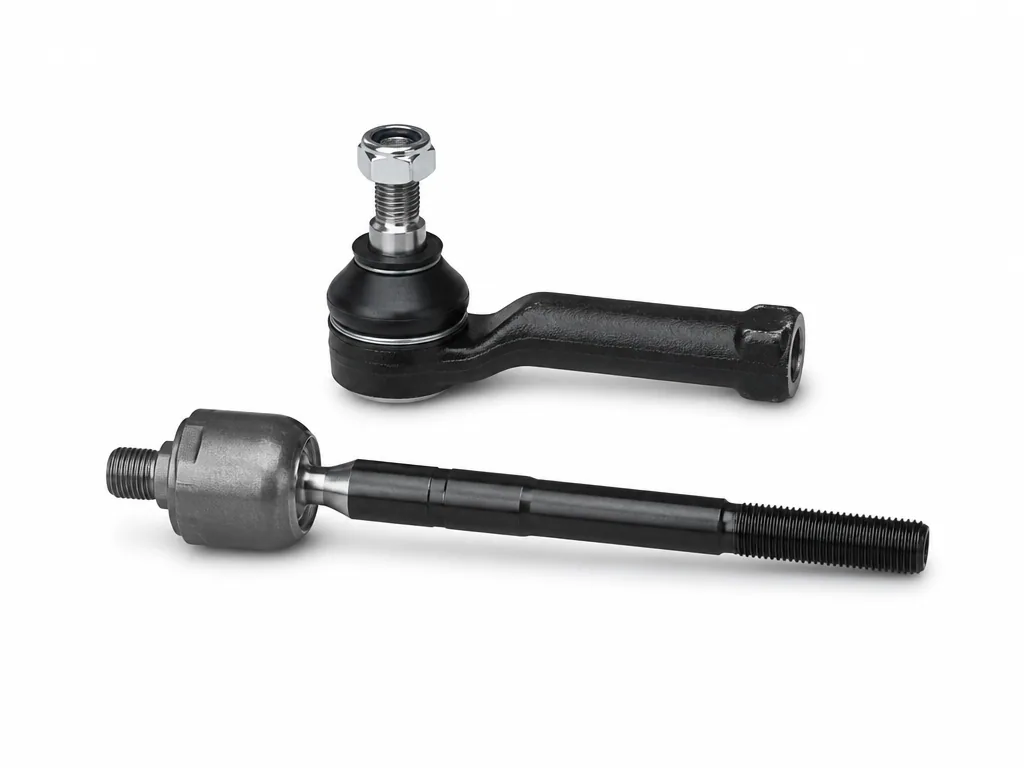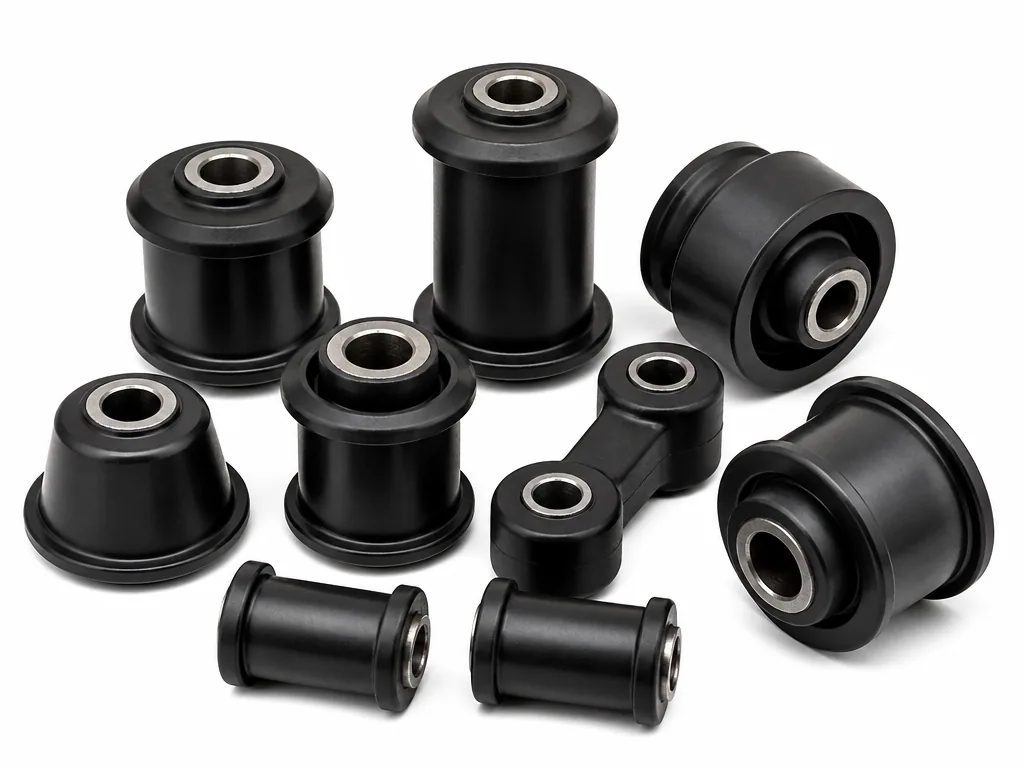





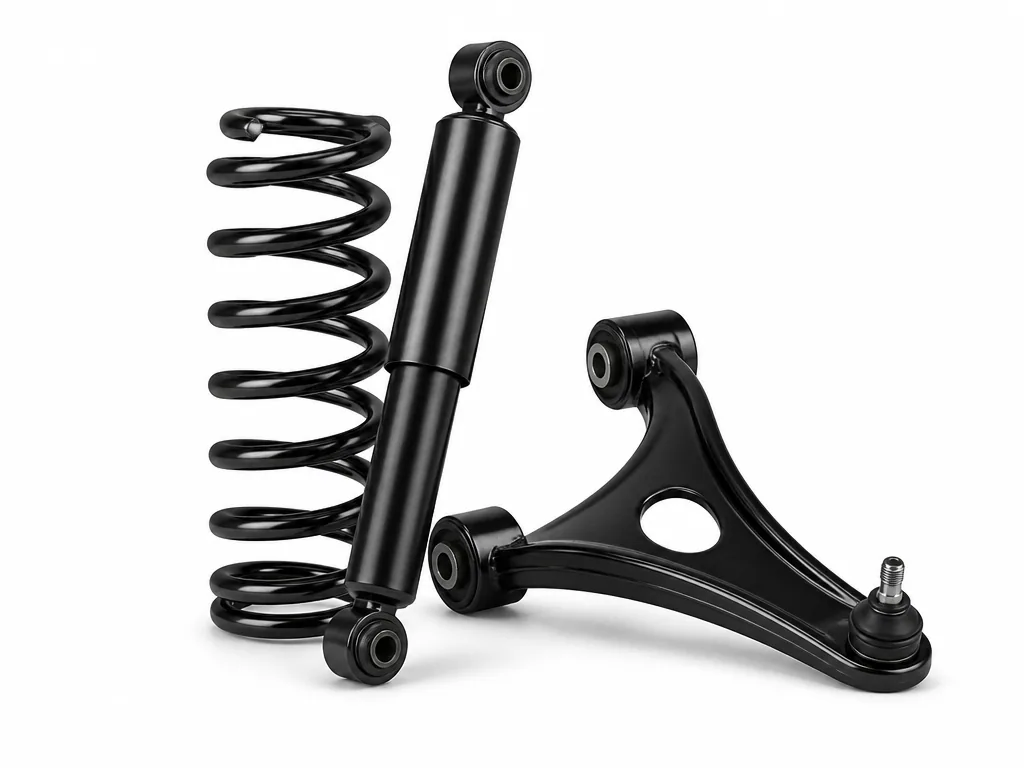
Front lower suspension arm bushes
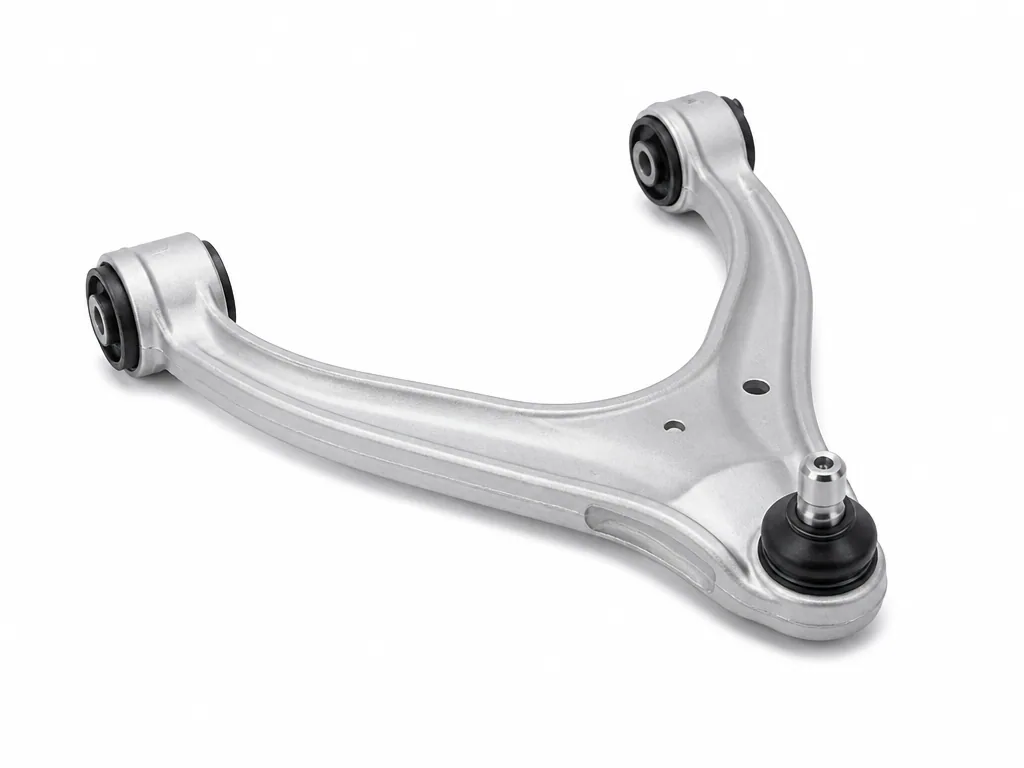
Worn bushes cause a clonk from the front when braking at low speed. Replacing the complete arm and doing a four-wheel alignment is the standard fix.

Discovery · L319 · 2005–2009
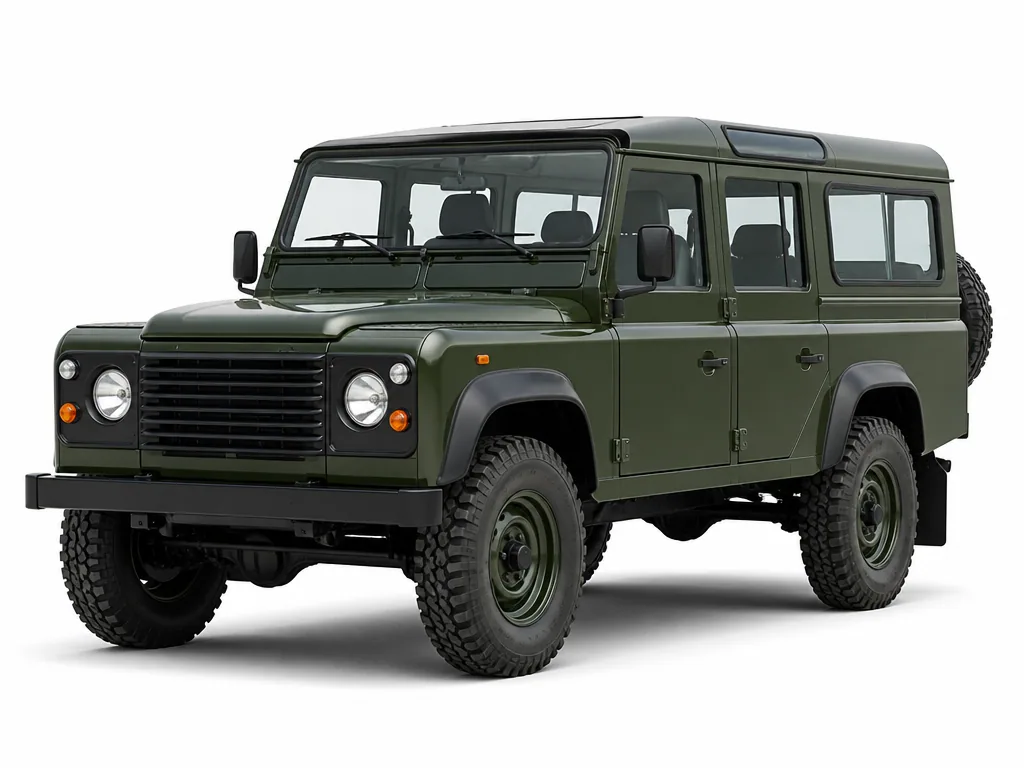
Coil suspension, steering and chassis parts for Land Rover models, from the live-axle Defender to independent-suspension Range Rovers.
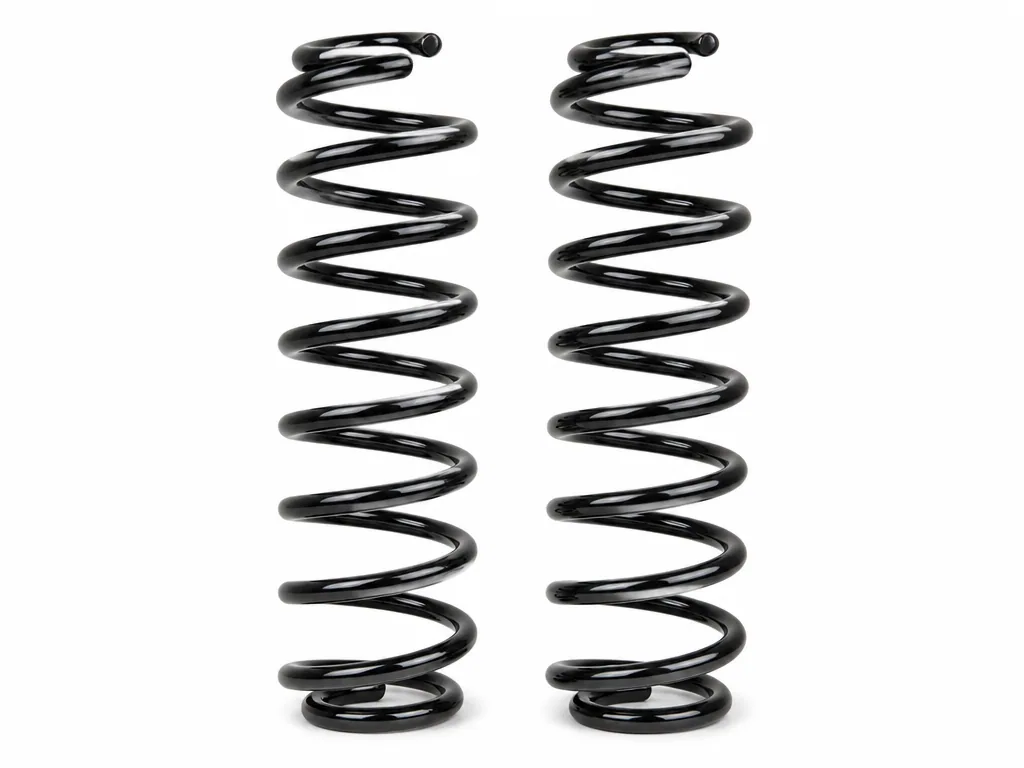
Suspension layout on the Discovery 3: Permanent four-wheel drive with a two-speed transfer case. Most vehicles use all-round air suspension and Terrain Response; the coil-sprung base model used conventional steel springs and did without Terrain Response.
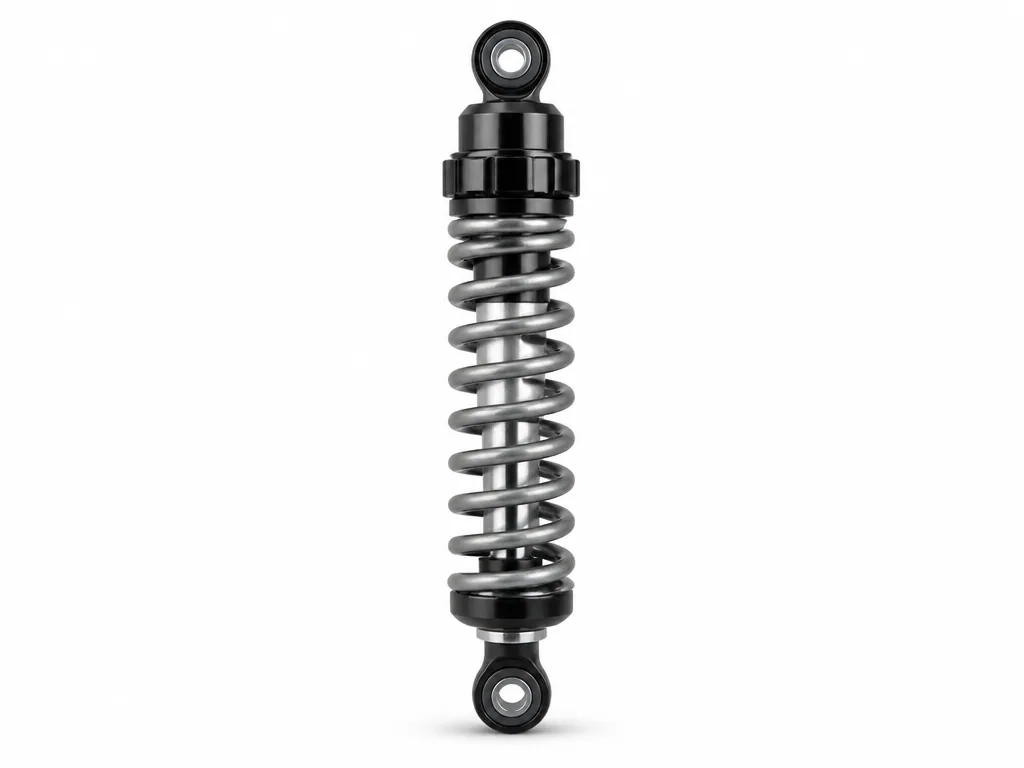
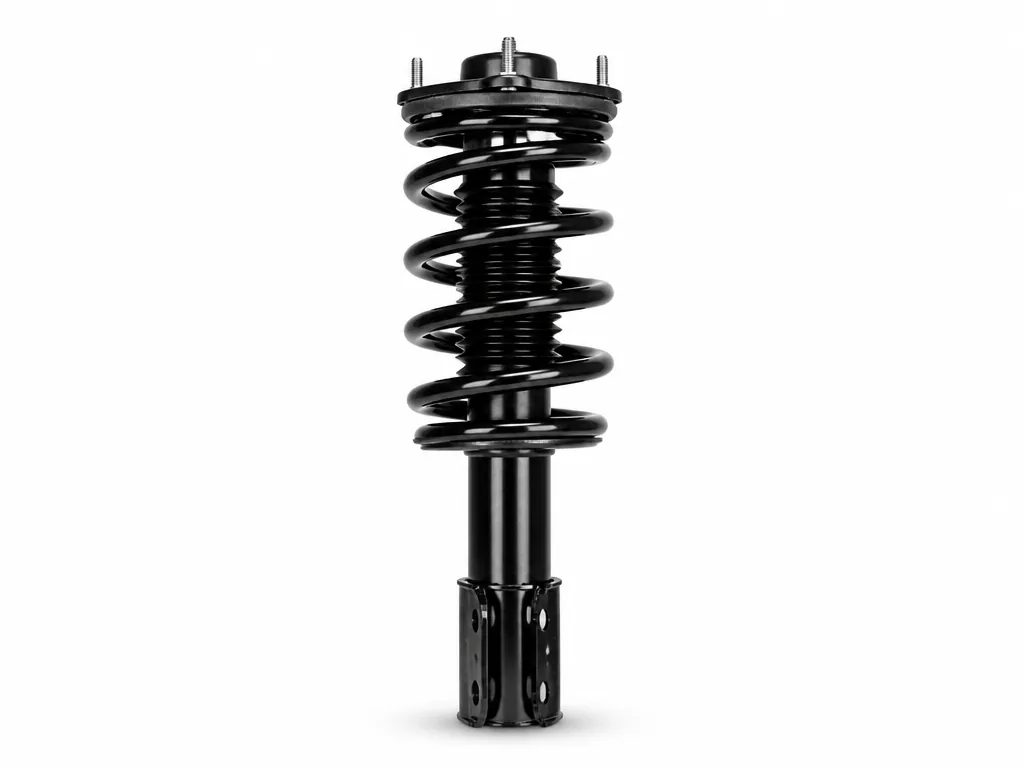
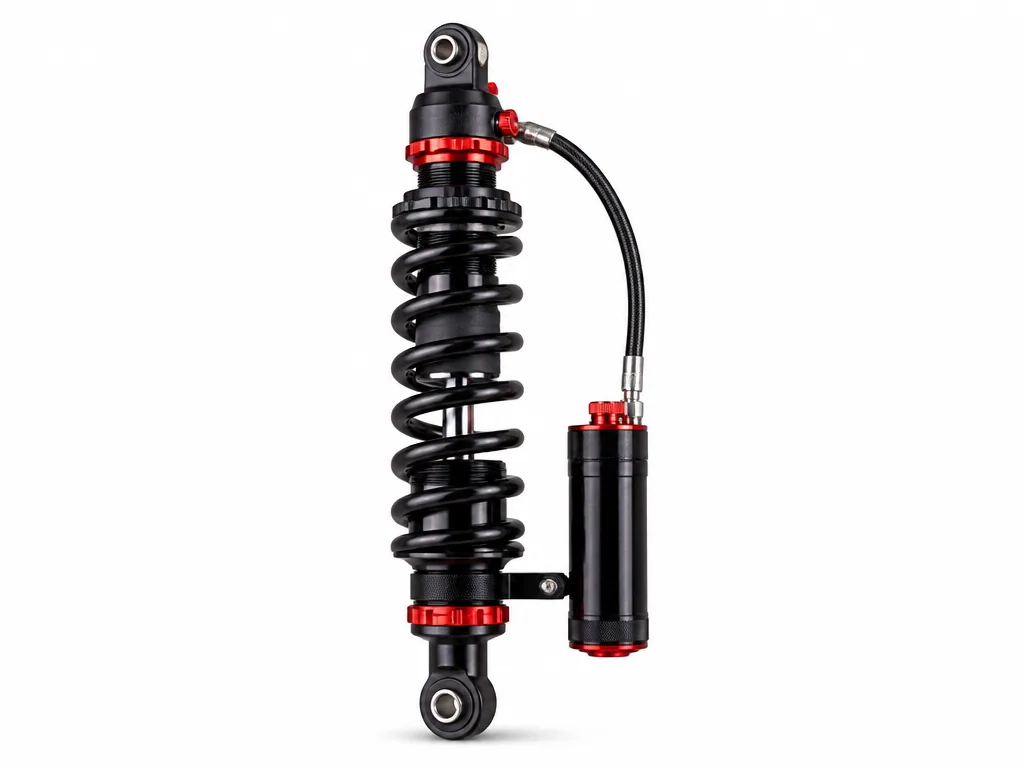
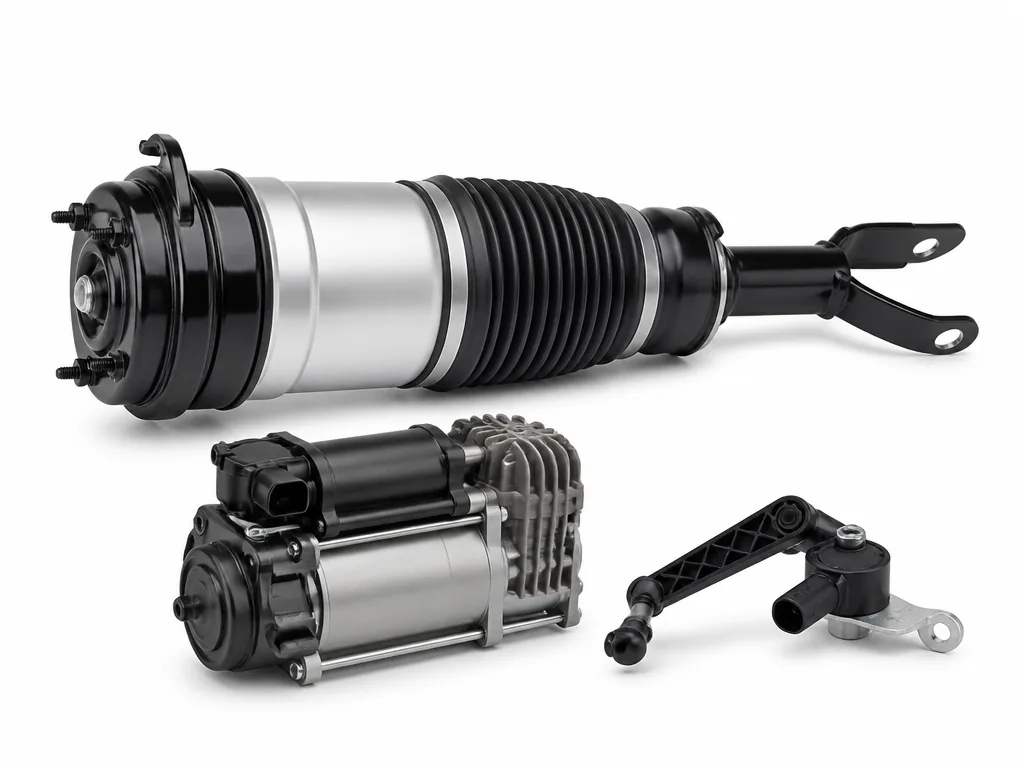
Where air suspension is fitted, the springs, compressor, valve block and height sensors are covered separately under air suspension. This page is for the arms, bushes, dampers and other conventional suspension parts.
See Discovery 3 air suspension for that side of the system.
Worn bushes cause a clonk from the front when braking at low speed. Replacing the complete arm and doing a four-wheel alignment is the standard fix.
On the Discovery 3, air suspension parts lead the list: air springs, compressors, valve blocks and height sensors, plus front and rear suspension arms.
The same warnings can come from several parts: leaking air springs, a worn compressor, the valve block, a reservoir or a height sensor. Specialists recommend a full diagnostic check to narrow it down before buying parts, because replacing the wrong component will not clear the fault.
A clonk at low speed when you apply the brakes is very often worn front lower suspension arm bushes. Replacing the complete arm is quicker and more reliable than pressing in new bushes, and a four-wheel alignment afterwards prevents uneven tyre wear.
Discovery 3, Discovery 4, Range Rover Sport and full-size Range Rovers from the L322 onwards mostly use air suspension, and you will see ride height controls on the dashboard or centre console. Classic Defenders, Discovery 1 and most Freelanders, Evoques and Discovery Sports use coil springs. Some models, including the Discovery 2, Discovery 5, Velar and new Defender, were offered with either depending on version. Check the VIN or look for air springs at the wheels.
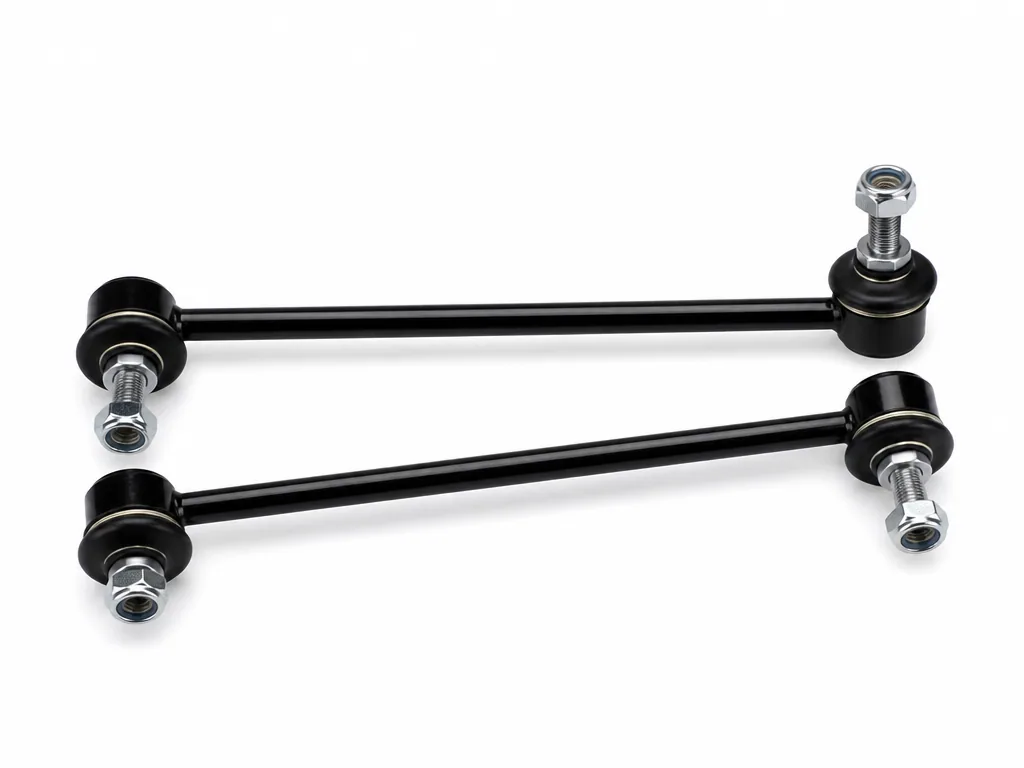
Worn anti-roll bar drop links, bushes and ball joints are the most common causes. On coil-sprung Defenders and Discoverys, check radius arm and Panhard rod bushes. On Discovery 3 and 4, front lower arm bushes are a common wear point. A workshop can pinpoint it with the vehicle on a lift.
For how these parts work and the signs of wear, read the Land Rover suspension guide.
Share the VIN and engine number and the SparesBoyz parts team will check fitment before quoting.