




Td5 Head Gasket or Cracked Cylinder Head? How to Tell

On a Td5, the cylinder head itself is often the part that has failed rather than the gasket underneath it. “Td5 heads are prone to warping and cracking,” as one owner put it on LandyZone when another described losing coolant 5, and a South African owner who posted photographs of a cracked head got the same answer: “This is a known problem with Td5 heads” 7. The two faults feel different from the driver’s seat, and they send you to two different shopping lists. A head gasket kit will not save a head that is cracked around an injector pocket, and a new head is a waste of money if the real fault is a set of perished injector seals. This guide sorts the symptoms into the three failure paths on a Td5, and covers the two things people get wrong on the way back together: the gasket grade, and the locating dowels.
Key Takeaways
- An oil level that climbs on the dipstick, with a diesel smell, points at the injector seals or a crack around an injector pocket, not at the head gasket 4.
- Lost coolant, a gurgling header tank, steam from the cap or a temperature needle that spikes and drops back points at the gasket or a crack into the coolant galleries 5.
- Land Rover’s own workshop manual says a Td5 head may not be refaced: if warp exceeds 0.10 mm, the head is replaced, not skimmed 2.
- There is no single “Td5 head gasket”. Three thicknesses are made, identified by 1, 2 or 3 holes, and the right one is chosen by measuring piston protrusion 1.
- Head bolts and locating dowels are single-use, and on 2002 model-year VIN ranges the plastic dowels must be swapped for steel ones. Fitting steel dowels to an earlier engine can crack the head 23.
- An oil cooler fault mixes oil and water too, and reads like a blown head gasket. Rule it out before you buy anything 5.
Which Land Rovers have a Td5
The Td5 is the five-cylinder turbodiesel fitted from 1998 to the classic Defender and the Discovery Series II.


The engine has been out of production since 2007, but the vehicles it powers are still on South African roads and still traded. At the time of writing, cars.co.za was advertising a 1999 Defender 110 2.5 TD5 in Pretoria and a 2004 Discovery TD5 GS in East London, and it keeps a dedicated TD5 filter under its Discovery listings 8.
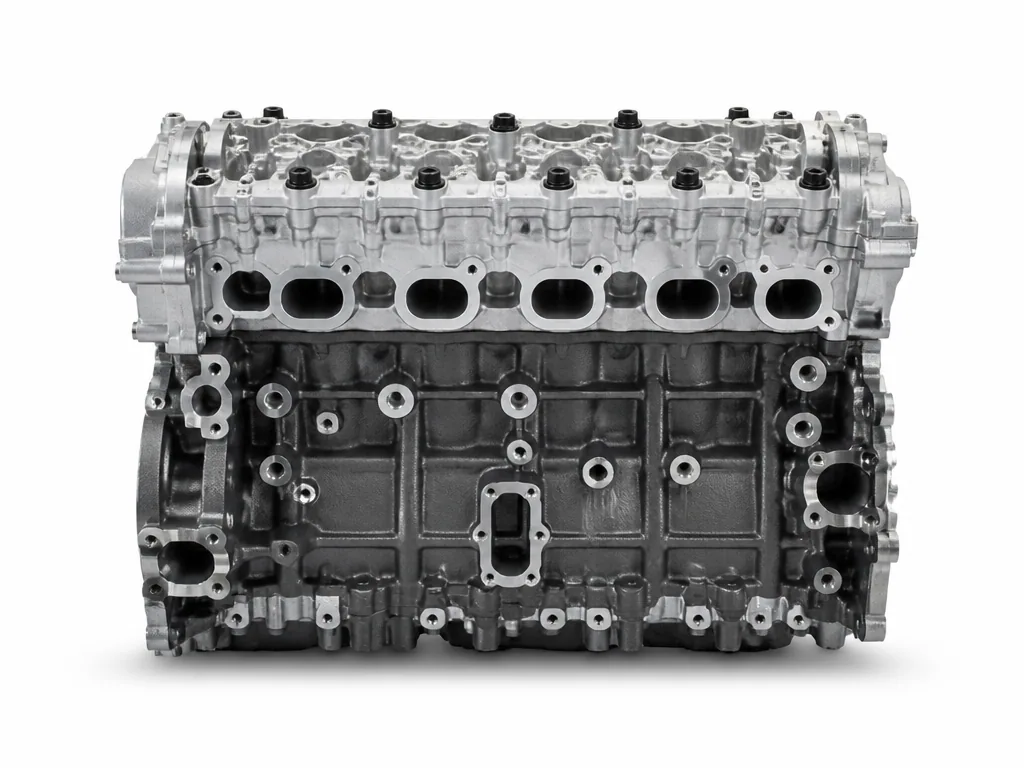
That alloy head on an iron block is the heart of the problem below. The two metals expand at different rates, so an overheat that a cast-iron engine shrugs off can leave a Td5 head warped or cracked.
Symptom 1: the oil level is going up
This is the Td5-specific one, and it is the fault most often mistaken for a head gasket. Diesel gets past a seal or a crack into the sump. The level on the dipstick rises instead of falling, the oil thins, and it smells of fuel.
Diesel and engine oil mix completely, so you cannot settle a drained sample and watch it separate: “Diesel will not separate from the oil. They are fully miscible with each other. Other than analysis, then thinning, smell or rising levels are the only indicators,” as one owner put it on LandyZone 4.
Start with the cheap cause. The injector seals and O-rings harden with age and let fuel down into the sump, and the advice on that thread is blunt: “if the oil is going up do the injector seals 1st” 4. Only once those are ruled out does a cracked head come into it. Td5 heads crack around the injector pockets, and the check is done from above with the rocker cover off:
“After you pressurise the fuel system by starting the purge you have to wait for a few minutes and keep watching the side of the pocket. Have some blue tissue to hand, it shows leaks really well. Wipe around the area of the pocket on all cylinders, it’s No1 that usually cracks, but not always.” 4
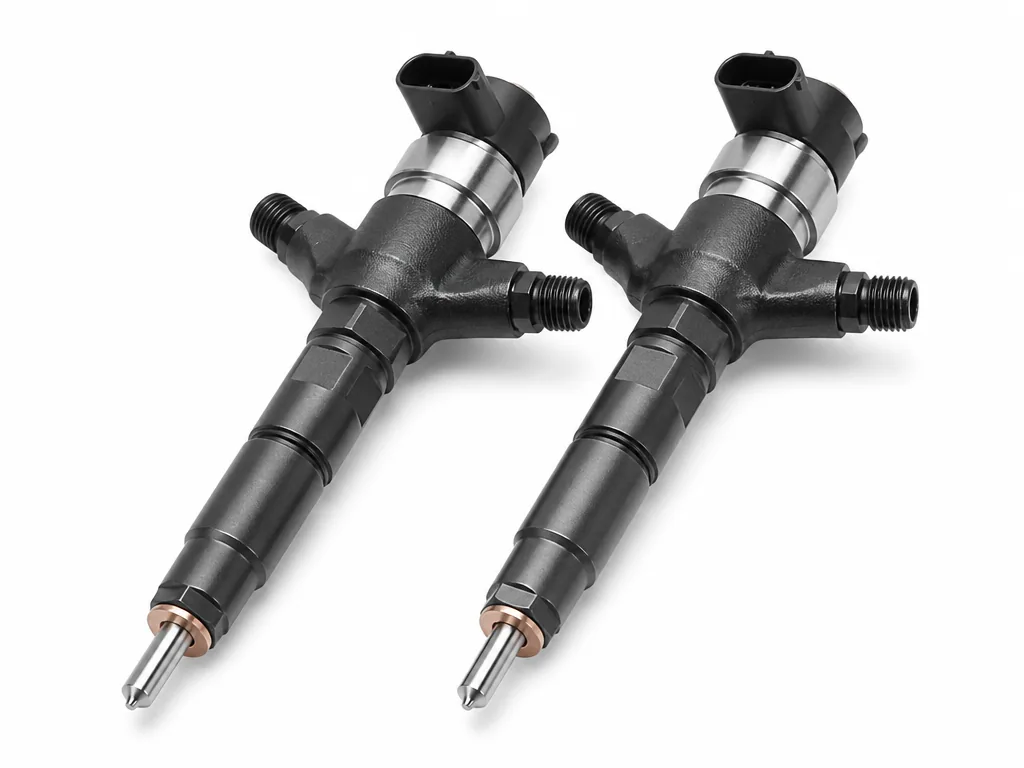
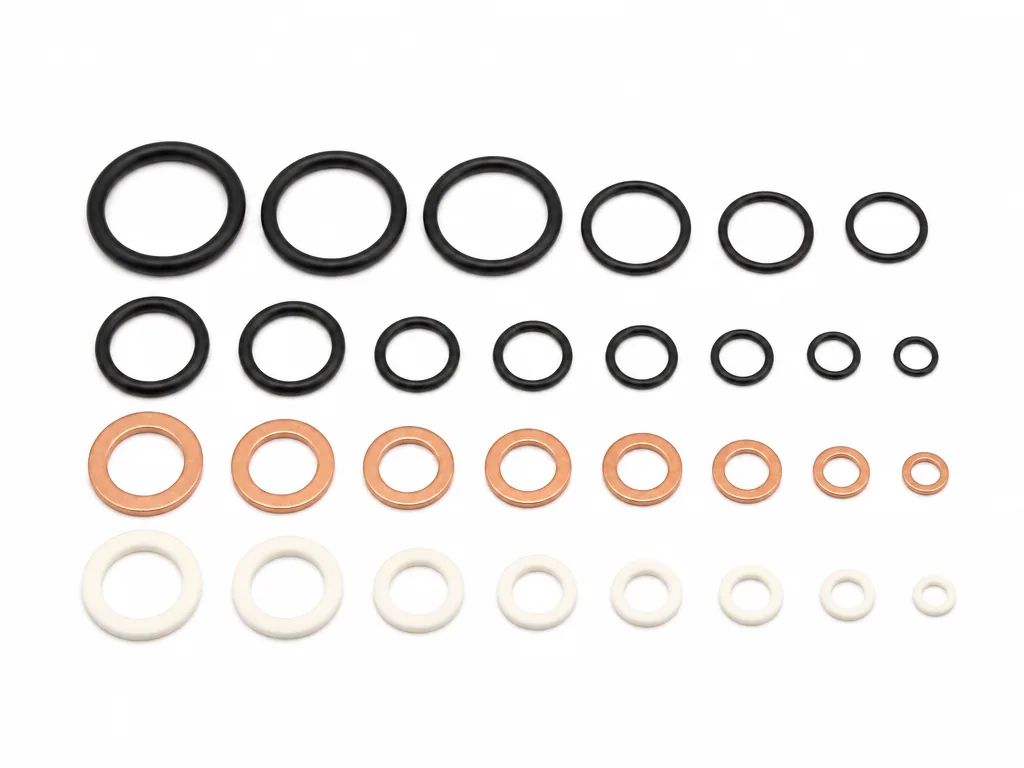
Td5 Injectors, Seals and Washers
The first thing to rule out when the oil level is climbing. Tell us whether you want the seal and washer kit alone or the injectors with it.
Take this one seriously.
On the same thread, an owner who kept driving reported six litres of diesel in the sump before the combined oil and diesel level caused the engine to run away on its own sump oil 4.
Symptom 2: you are losing coolant
The other path is the one people picture when they say “head gasket”: combustion pressure getting into the cooling system, or coolant getting somewhere it should not be.
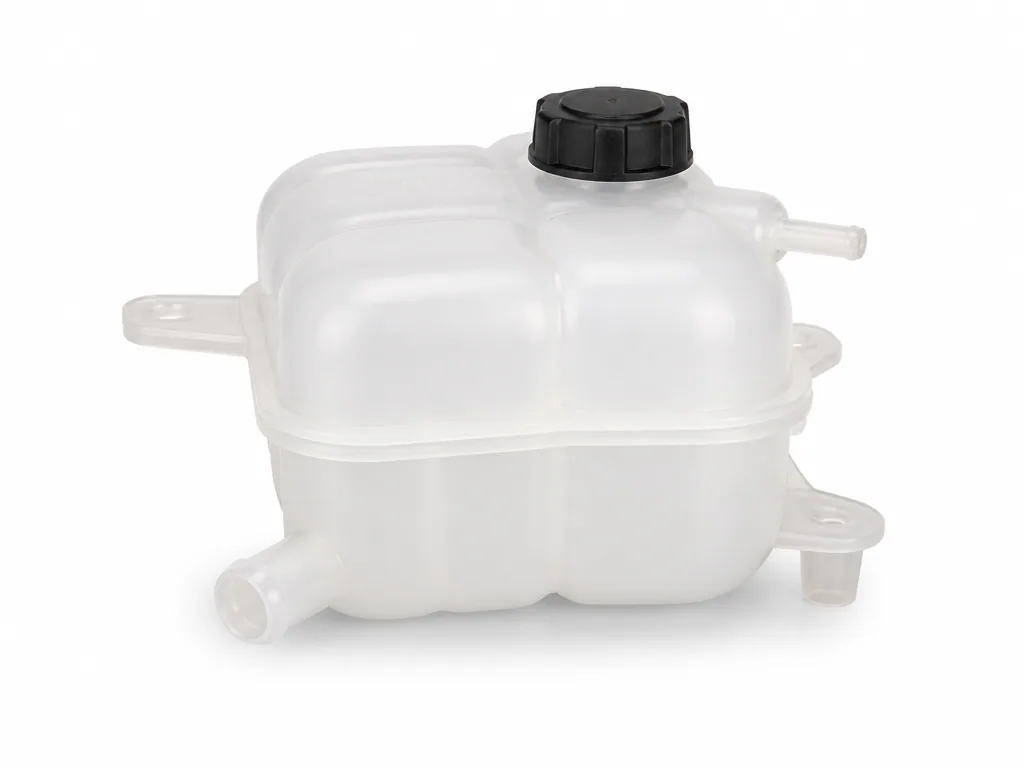
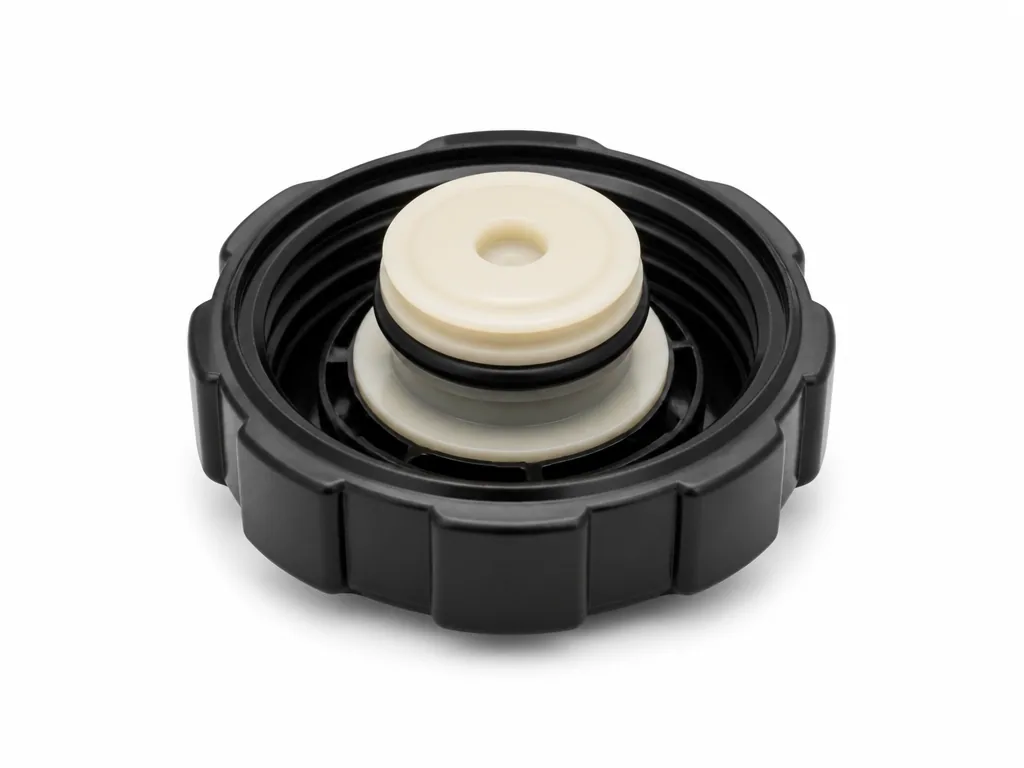
An owner on LandyZone described a Defender Td5 that blew steam from the coolant reservoir cap and gurgled when the cap came off, only on long runs in top gear, with the temperature needle jumping to the red and then dropping back and a sudden loss of power with it 5. The replies point at the head gasket, with a warning worth repeating: do not drive it with the cap off, because the cooling system is designed to run under pressure 5.
Before you order a gasket set, rule out the two things that imitate this fault:
- The oil cooler. The owner in that thread had already had oil in the water once and had the oil cooler replaced for it 5. An oil cooler failure mixes oil and coolant exactly like a gasket does.
- The header tank cap. Replacing a cap with a deformed seal made the boiling stop on that vehicle for a while 5, which is worth ten minutes before you commit to anything bigger.
If the coolant system is being pressurised and the cap and oil cooler are sound, you are looking at the gasket or a crack into the coolant galleries. That crack is the one you can often find with the head still on the engine 4.
Symptom 3: it has overheated before
If the vehicle has a history of running hot, the question is no longer only which part failed, but whether the head is still usable. This is where Land Rover’s own manual makes the decision for you.
The refit procedure says to check the head for warping, across the centre and from corner to corner, with a maximum warp of 0.10 mm (0.004 in), followed by this caution:
“Cylinder heads may not be refaced, replace cylinder head assembly if warping exceeds figure given.” 2
In other words, the workshop answer to “can it be skimmed?” is no. Once a Td5 head is out of tolerance, the manual’s instruction is a replacement head, not a machine shop.
Cracking is the other consequence of heat. A South African owner posted photographs on 4x4community in October 2014 of a Td5 head with cracks on cylinders 3, 4 and 5 between the injector hole and a valve, plus cracks at the glow plug holes. The first reply was short: “This is a known problem with Td5 heads.” Another reader added the point that matters more than the repair: “please investigate why the head ran so hot… over fueling, high intake temps, poor cooling of coolant or bad thermostat” 7. Fit a head without fixing the cooling system fault and you will be doing this twice.
| Symptom | Likely cause | What to buy |
|---|---|---|
| Oil level rising, fuel smell | Injector seals and O-rings | Seal and washer kit |
| Oil still rising after new seals | Crack at an injector pocket | Replacement head |
| Coolant loss, gurgling tank | Head gasket, or a crack | Gasket, bolts, dowels |
| Oil and coolant mixed, tank not pressurised | Oil cooler | Oil cooler |
| Overheated before, warp over 0.10 mm | Warped head | Replacement head |
The table is our reading of the sources above. It is not a diagnosis of your engine, and a pressure test at a machine shop is what settles a suspected crack.
The head gasket is not one part
This catches people ordering online. Land Rover made three thicknesses of Td5 head gasket, identified by 1, 2 or 3 holes, and the correct one is chosen by measuring how far each piston stands proud of the block, then taking the highest figure 1:
The manual has the measurement taken at the front and rear of each piston, averaged, and repeated for all five 1. So the grade belongs to your engine as it is now, not to the model. If the block has been decked or the pistons have been out, the answer can change. Have the measurement taken before the gasket is ordered.
Three more things the manual asks for on the way back together.
Fit the gasket with the word TOP uppermost, and use new head bolts. Tighten them in the sequence shown, in five stages: 30 Nm, then 65 Nm, then 90°, then a further 180°, then a further 45°. There is an explicit caution not to do the last 315° in one go 2.
The dowel bulletin, and why it cuts both ways
The head locates on the block with dowels, and Land Rover changed them mid-production. A Land Rover technical bulletin, quoted in full by an owner on LandyZone, sets out the affected range as all Td5 derivatives within these VIN ranges 3:
- Discovery Series II (02 model year): 2A 736340 to 3A 793895
- Defender (02 model year): 2A 622424 to 3A 647705
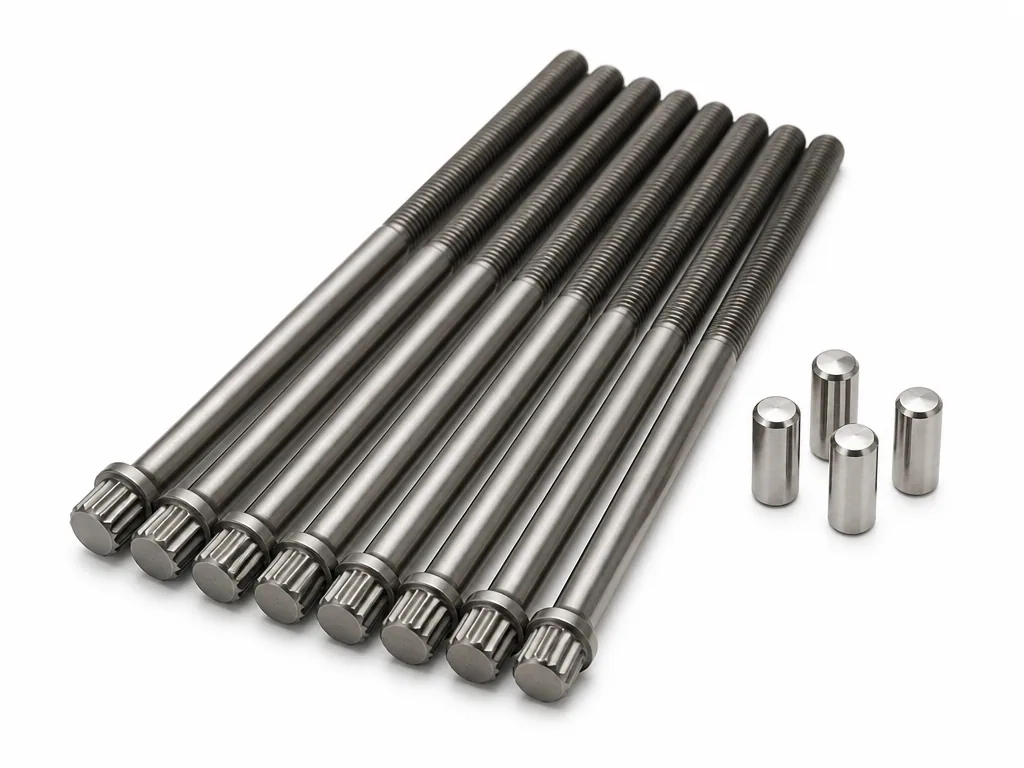
Engines in that range have plastic dowels. Steel locating dowels were introduced from Discovery Series II 3A 793895 and Defender 3A 647705. If the head comes off a vehicle in the range above, the bulletin says the plastic dowels must be replaced with the new steel ones 3. Then the caution that catches earlier engines:
“Td5 derivatives prior to the above VIN ranges must not, under any circumstances, be fitted with the new steel dowels. If steel dowels are fitted to earlier engines, cylinder head cracking may result.” 3
Read that carefully, because it is easy to take away the opposite of what it says. Newer engines in the 02 model-year range get steel. Engines built before that range must not. The owner who posted it noted he had not been able to find the original in RAVE, Land Rover’s own technical archive 3, so treat the VIN numbers as something to confirm with your workshop against current Land Rover information rather than as gospel. Either way, the manual’s refit procedure says to clean the dowel holes and fit new dowels 2, so they are not a part to reuse.
Repair the head, recondition it, or replace it
Once a crack is confirmed, there are three routes, and the trade argues about the first one.
Welding. A specialist who does the work posted the method on Defender2.net: the crack is ground out, welded front and back, machined, then pressure tested to 120 psi, about double the pressure the fuel rail normally sees. He put it at roughly 240 heads over four years with one returned for a pin-hole leak 6. Others on the same thread are wary, on the grounds that the heat distorts an alloy head and a distorted head will not run right after skimming, and their advice is to find a good second-hand head instead 6. The manual’s no-refacing caution sits behind that worry 2.
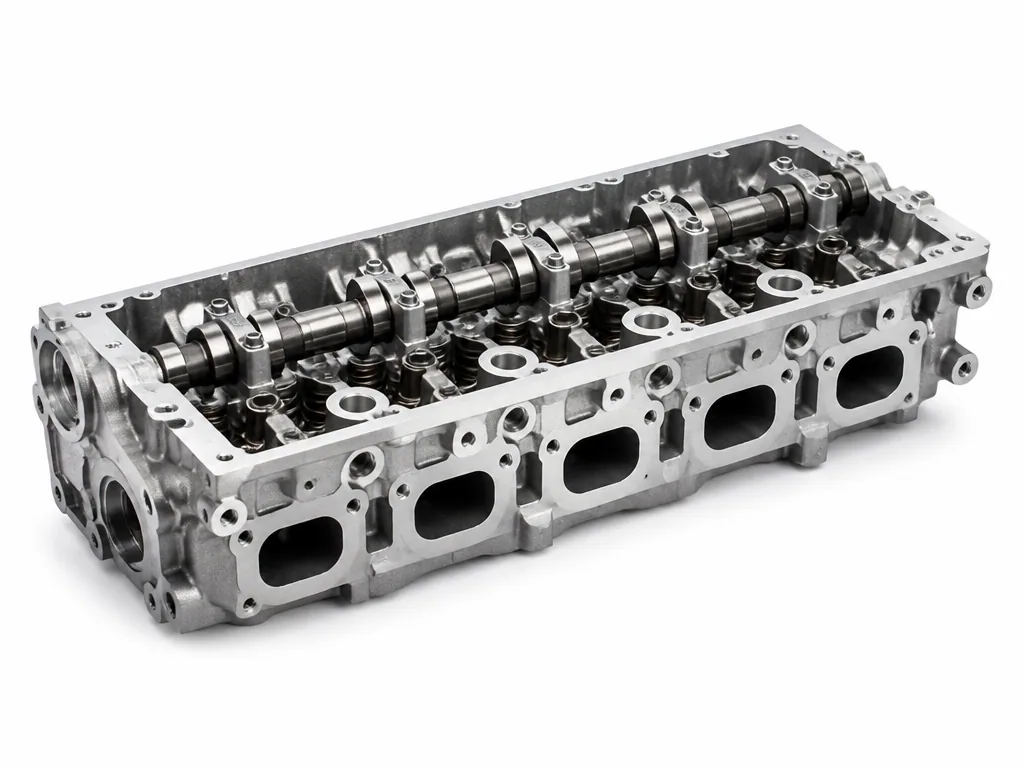
Td5 Cylinder Head
For a head that is cracked at an injector pocket, or warped past the manual's 0.10 mm limit. Send the VIN so the head is matched to your engine rather than to the model name.
A reconditioned or new replacement head. One owner on that thread described buying an AMC head after his original cracked in the water jacket on cylinder one, and noted that the replacement had noticeably thicker material where the original cracked 6. This is the route to take if the vehicle does long trips far from help. On the South African thread, an owner who fitted a complete AMC head explained the choice exactly that way: he and his wife travel alone into places like the Savuti, and he was “not prepared to risk over heating issues and further cracks” 7.
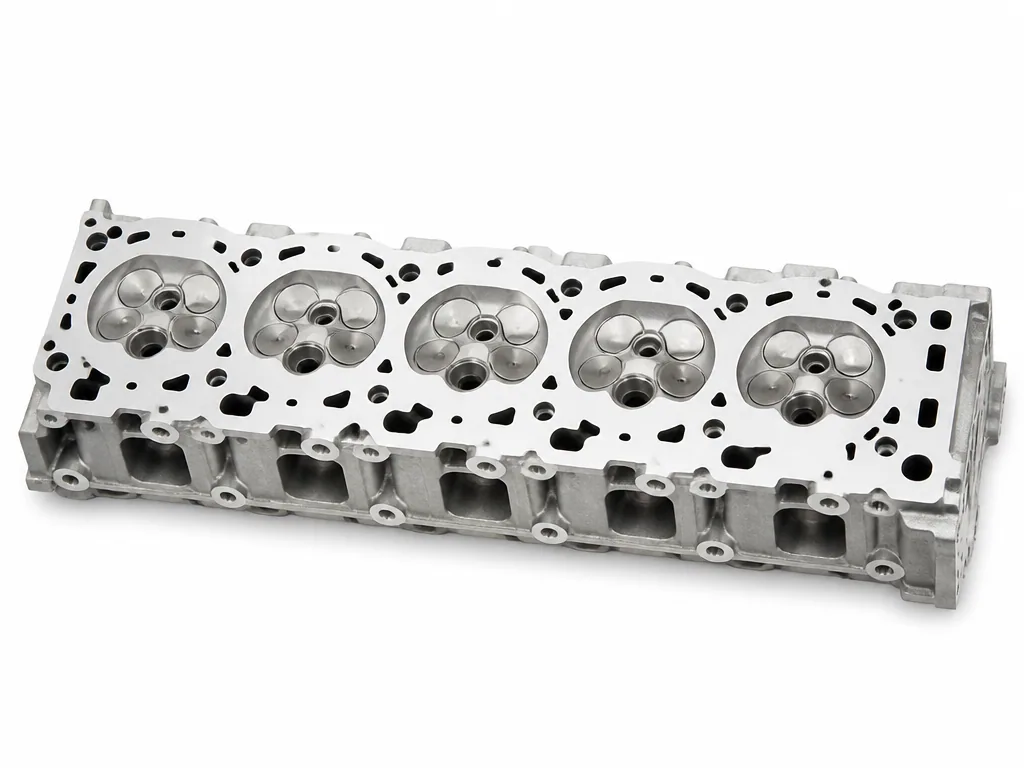
A good used head. The cheapest route, and the one worth pressure testing before it goes anywhere near your block. Ask for the engine code and the VIN of the donor, and have the head tested and checked for warp against the same 0.10 mm figure before it is fitted 2.
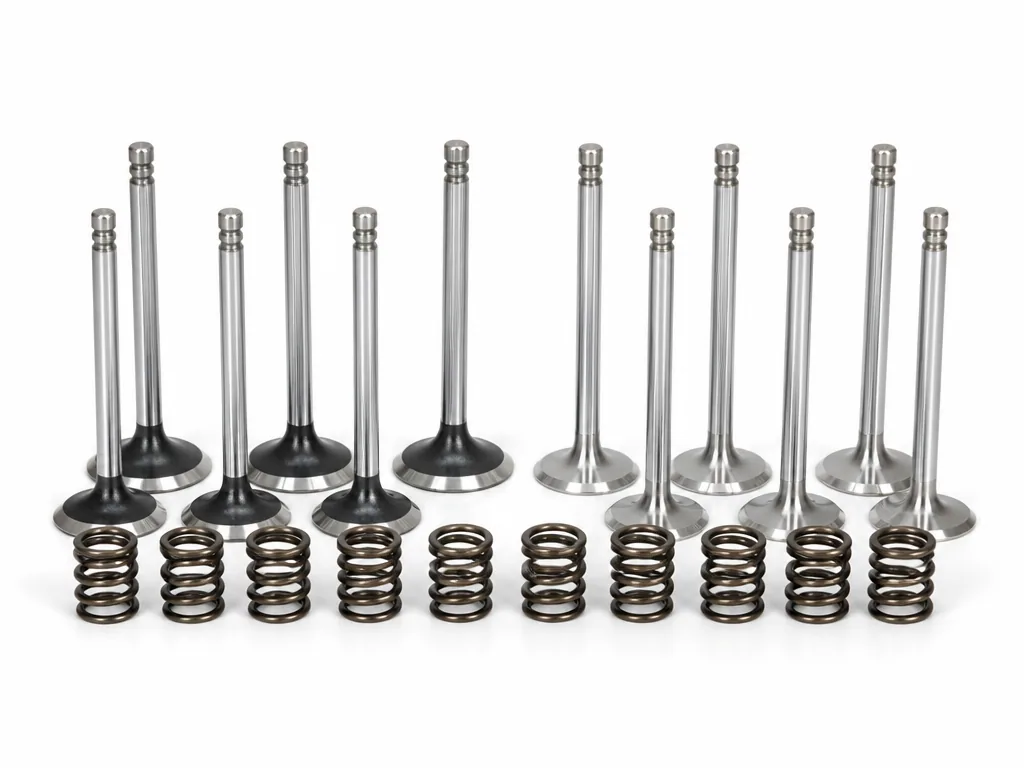
Whichever you choose, the parts list is longer than the head: a new gasket of the measured grade, new head bolts, new dowels, and the injector seals and washers while everything is apart. The valves, guides and seats are worth checking at the same time, since they are already out of the vehicle.
Cracked or warped Td5 head? Send us the VIN.
We quote on Td5 heads matched to your engine, and on the gasket, bolts, dowels and injector seals that go back with them.
What it costs
We are not going to give you a rand range for this job. The only South African prices we could find for Td5 heads are from an owner discussion in 2014 7, which is far too old to be useful, and quoting a stale figure is worse than quoting none. What we can tell you is what moves the number:
- Whether you need a bare head or a complete one with valves and camshaft fitted.
- Whether the old head is repairable, reconditioned or scrap.
- The gasket grade, which cannot be decided until the pistons are measured 1.
- New head bolts and dowels, which are not reusable 2.
- Injector seals and washers, and injectors if any are damaged.
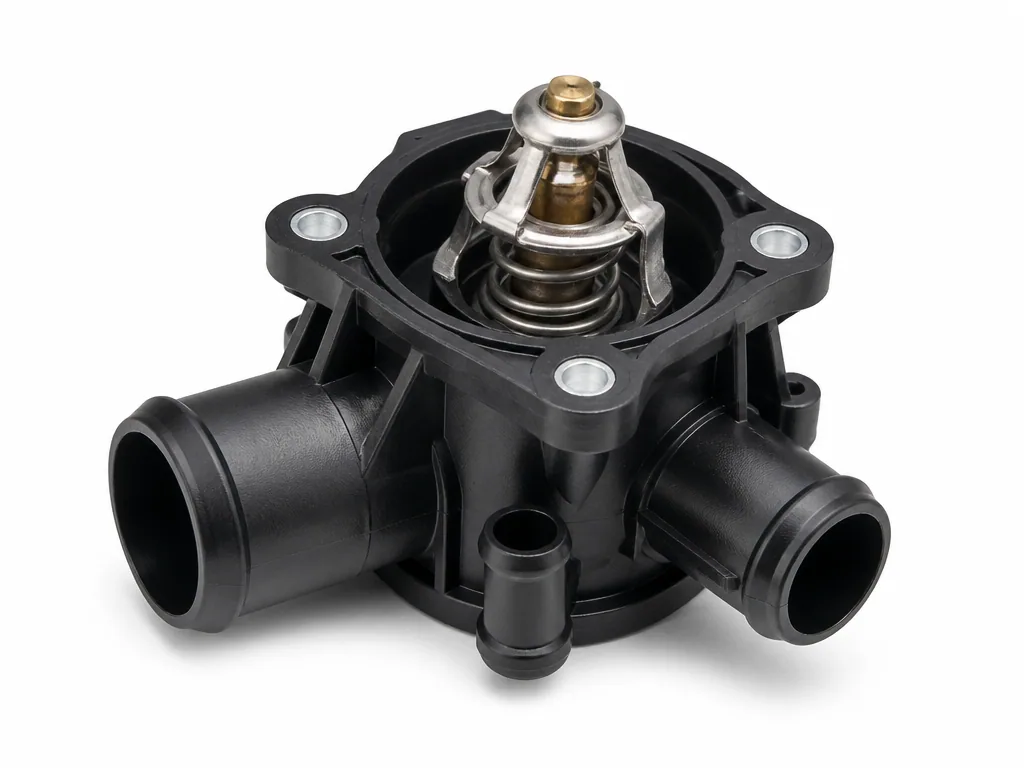
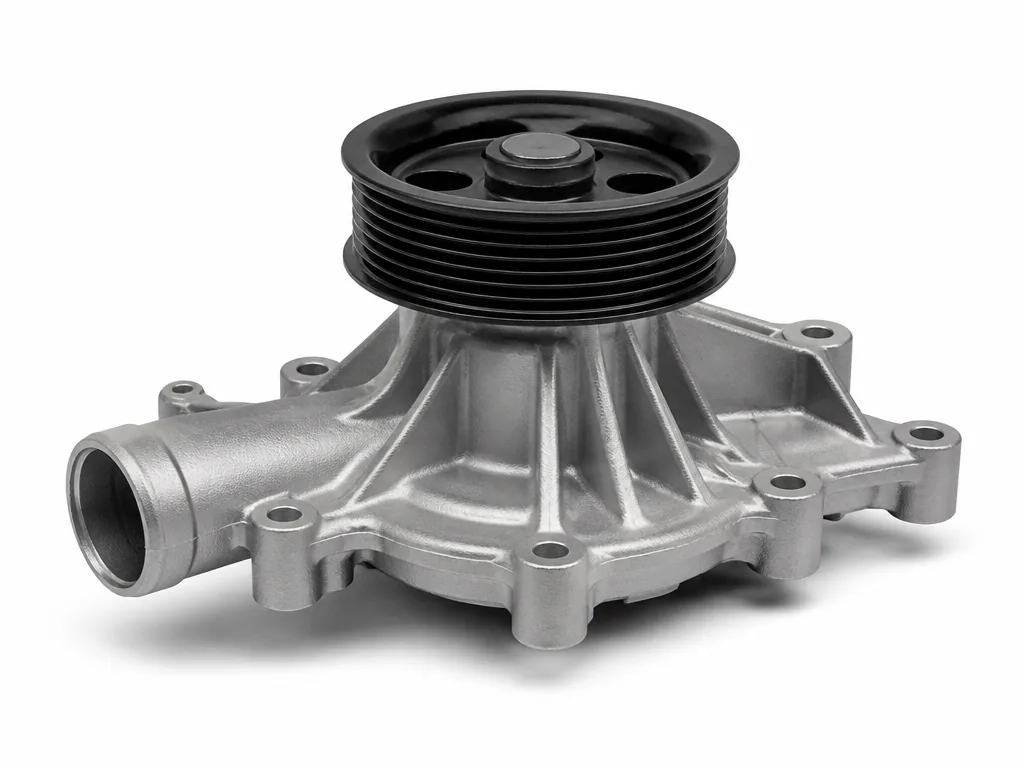
- Whatever caused the overheat, if there was one: thermostat, water pump, radiator or viscous fan.
If the head is gone and the bottom end is tired as well, it is worth pricing a complete replacement engine against the repair before you commit, the same arithmetic we set out for the 3.0 TDV6 crankshaft failures on the later V6 diesels.
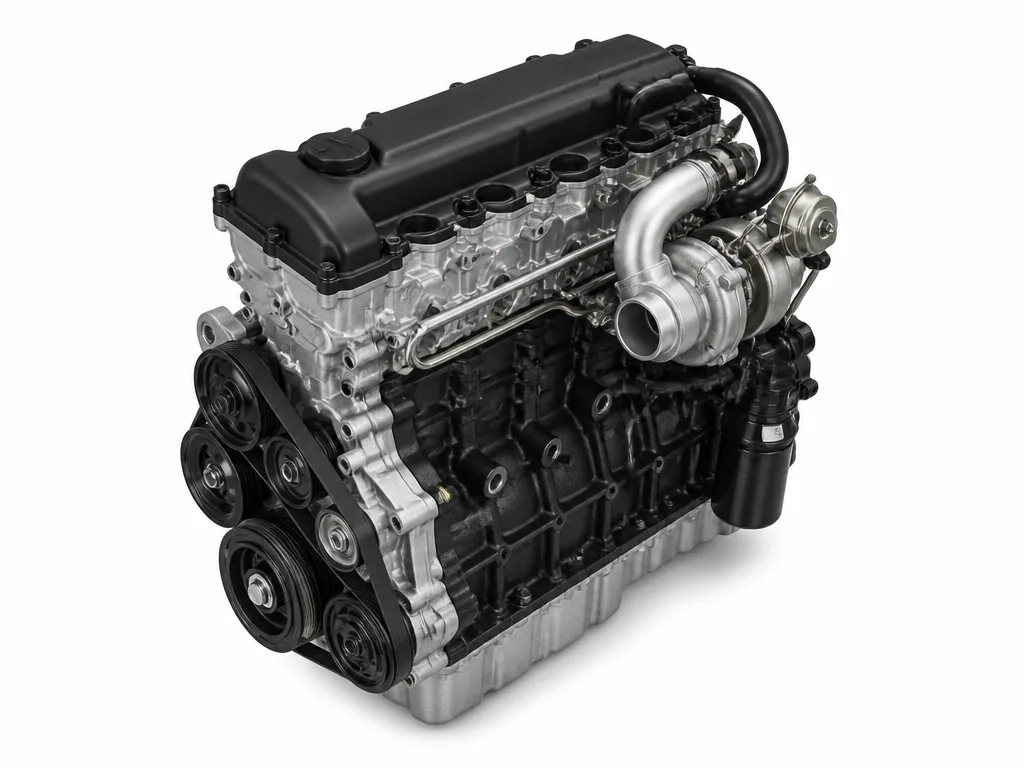
Related: Complete Td5 Engine
When the head is only part of the story and the bottom end is tired too. Give us the VIN and we will match the engine to your vehicle.
FAQ
What are the symptoms of a failed head gasket in a Td5 Land Rover?
Coolant where it should not be, and pressure where it should not be. Owners report steam from the coolant reservoir cap, a gurgling header tank, a temperature needle that climbs and falls back, a creamy deposit under the oil filler cap, and in the worst case engine oil full of water after a hard run 5. A rising oil level with a fuel smell is a different fault and points at the injectors or the head itself 4.
Is it worth fixing a blown head gasket?
On a Td5 that depends on what the head looks like once it is off, which is why the head comes off before anyone can answer honestly. If the head is within the 0.10 mm warp limit and is not cracked, a gasket, bolts, dowels and the labour is a normal repair. If it is cracked or out of tolerance, the manual says replace the head 2, and the job stops being a gasket job.
How much does it cost to replace a head gasket on a Land Rover Discovery 2?
We do not publish a figure, because the honest answer is not known until the head is off and measured, and because the local prices we could verify are years old. Ask your workshop to quote the strip and inspection first, and to price the head separately once it has been tested.
How long will a Td5 engine last?
Longer than the electronics around it, in most owners’ experience. Cooling system neglect is what usually ends a Td5 head.
Is it cheaper to rebuild or get a replacement engine?
A head repair is not a rebuild, so the comparison only comes up when the bottom end is suspect as well. Price both: the head, gasket, bolts, dowels and seals against a complete used engine with a known history. Once you are adding a crankshaft or bearings to a head job, a replacement engine usually wins.
Sources
- Land Rover, Workshop Manual, Defender Td5, Engine: Cylinder Head Gasket Selection (Overhaul, page 166). workshop-manuals.com
- Land Rover, Workshop Manual, Defender Td5, Engine: Gasket, Cylinder Head, Refit (Repair, page 206). workshop-manuals.com
- Land Rover technical bulletin, Cylinder Head Locating Dowels, quoted in full in the LandyZone thread "cylinder head dowels", 21 May 2019. landyzone.co.uk
- LandyZone forum, How can I check whether my TD5 head is cracked? (owner discussion, 2017 and 2020). landyzone.co.uk
- LandyZone forum, Defender td5 with possible headgasket failure (owner discussion, 2016). landyzone.co.uk
- Defender2.net forum, Td5 Cylinder Head Repair? (owner and specialist discussion). defender2.net
- 4x4community.co.za forum, Td5 18P Head (South African owner discussion, October 2014). 4x4community.co.za
- Cars.co.za, used Land Rover Defender and Discovery listings, read 20 September 2026. cars.co.za
Need a part for your Land Rover?
Send the vehicle, ideally the VIN, and the part you need. The parts desk will come back with the options.
Disclaimer
This article is general information, not a diagnosis of your vehicle. Land Rover Pro Spares is a parts supplier, not a repair workshop. Have faults checked and repairs done by a qualified mechanic, and check with a Land Rover dealer whether any open recall applies to your vehicle before paying for a repair.
Land Rover, Defender, Discovery, Freelander, Range Rover, Evoque and Velar are trademarks of Jaguar Land Rover Limited. Land Rover Pro Spares is an independent parts supplier and is not affiliated with, endorsed by or sponsored by Jaguar Land Rover.