






Cooling
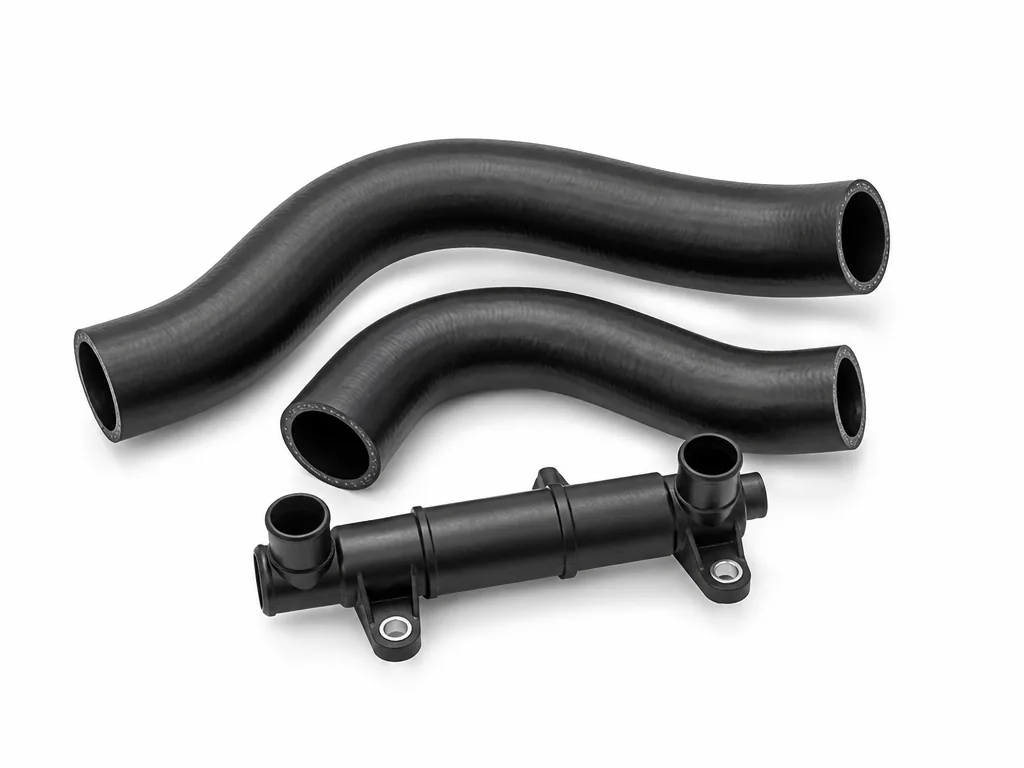
Land Rover Radiator Hoses
Radiator hoses, coolant pipes and crossover pipes for Land Rover engines.
- Fitment checked against your VIN
- Couriered nationwide
- Supplied from Durban North
Find your model
Cooling by Land Rover model
Where a model has a known fault in this system, it is flagged below. Each model page explains what is specific to that generation.
Defender
2 models- Defender (Classic) cooling · 1990s–2016
- Defender (L663) cooling · 2020–present
Discovery
5 models- Discovery 4 cooling · 2009–2017
- Discovery 3 cooling · 2005–2009
- Discovery Sport cooling · 2015–present
- Discovery 5 cooling · 2017–present
- Discovery 2 cooling · 1999–2004
Range Rover
9 models- Range Rover Sport (L320) cooling · 2005–2013
- Range Rover (L405) cooling · 2013–2022
- Range Rover Evoque (L538) cooling · 2011–2019
- Range Rover (L322) cooling · 2002–2012
- Range Rover Velar cooling · 2017–present
- Range Rover Evoque (L551) cooling · 2019–present
- Range Rover (L460) cooling · 2022–present
- Range Rover Sport (L461) cooling · 2022–present
Freelander
2 models- Freelander 2 cooling · 2007–2015
- Freelander 1 cooling · 1998–2006
Know the part
Understanding Radiator Hoses
Radiator hoses and coolant pipes connect the engine, radiator, heater, expansion tank and other coolers. Land Rovers use a mix of rubber hoses and moulded plastic pipes with quick-release connectors.
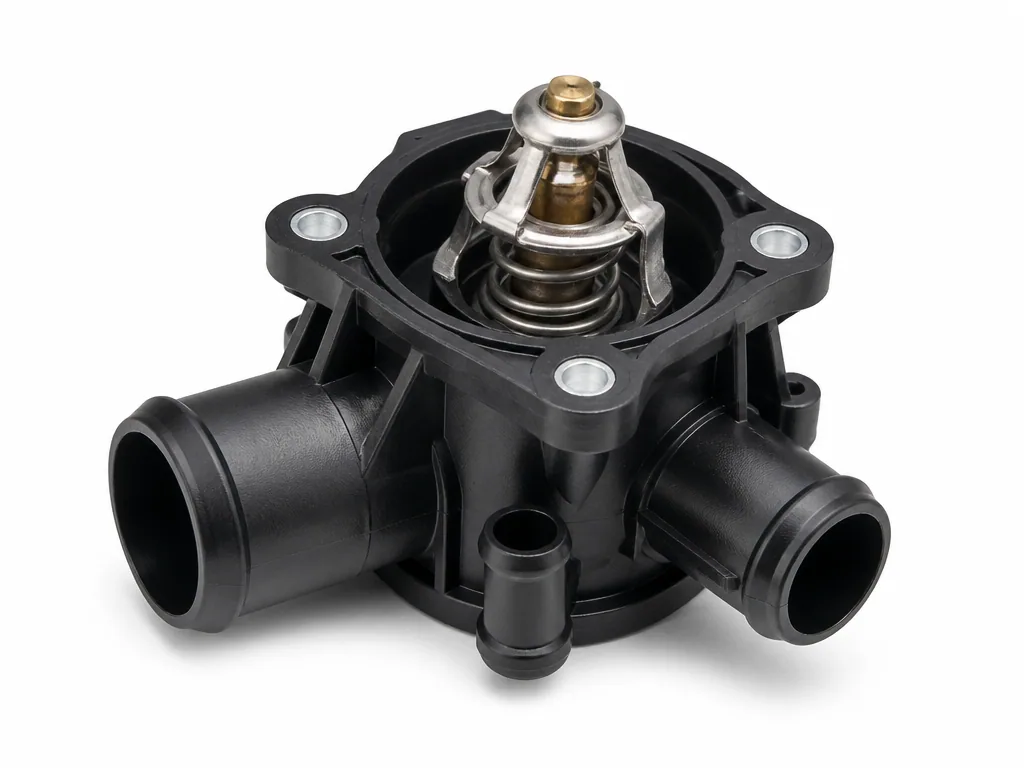
Rubber hoses soften, swell and crack with age. Plastic pipes and connectors become brittle and crack, often without warning. On the 2.7 and 3.0 V6 diesels, the plastic thermostat housing, water outlet and hose connections around the centre and rear of the engine are common leak points.
Further reading
- Radiator hose – Wikipedia
Background on radiator and coolant hoses.
Questions
Common Questions About Land Rover radiator hoses
Where do Land Rover V6 diesels usually leak coolant?
Specialists point to the plastic thermostat housing, the water outlet and the hose connections around the centre and rear of the engine, where ageing plastic can crack or a seal can fail. Ageing plastic fittings can also crack when a hose is removed, so use quality parts and new seals, and check the neighbouring hoses while you are there.
Should I replace all the hoses at once?
If the hoses are original and one has failed from age, the others are likely to follow. Replacing the main hoses together is sensible, especially before a long trip.
Can I reuse quick-release connectors?
Only if the clips and O-rings are in good condition. Old plastic clips often break when released, so have replacements ready.
What should I send to order hoses?
The VIN, engine code and a photo of the hose or pipe showing its route and connections.
Keep browsing
More cooling parts

Not sure which part fits?
Send your VIN or engine code and the SparesBoyz parts team will check fitment before quoting. Parts are couriered nationwide.