






Cooling
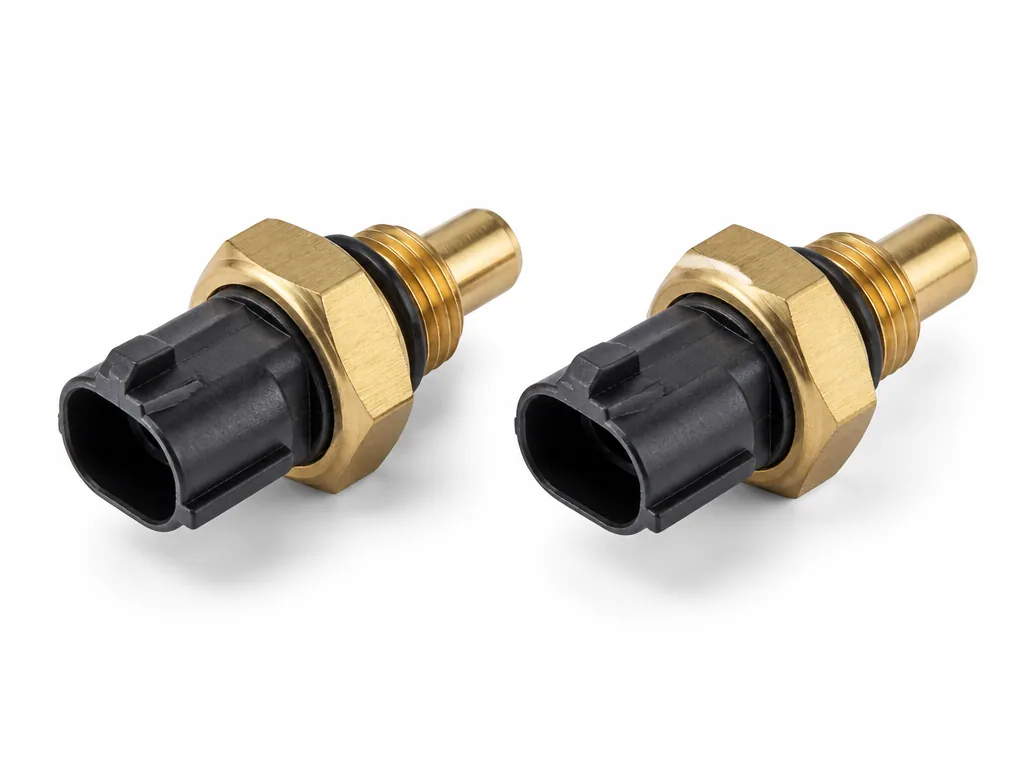
Land Rover Temperature Sensors
Coolant, intake and exhaust temperature sensors for Land Rover engines.
- Fitment checked against your VIN
- Couriered nationwide
- Supplied from Durban North
Find your model
Cooling by Land Rover model
Where a model has a known fault in this system, it is flagged below. Each model page explains what is specific to that generation.
Defender
2 models- Defender (Classic) cooling · 1990s–2016
- Defender (L663) cooling · 2020–present
Discovery
5 models- Discovery 4 cooling · 2009–2017
- Discovery 3 cooling · 2005–2009
- Discovery Sport cooling · 2015–present
- Discovery 5 cooling · 2017–present
- Discovery 2 cooling · 1999–2004
Range Rover
9 models- Range Rover Sport (L320) cooling · 2005–2013
- Range Rover (L405) cooling · 2013–2022
- Range Rover Evoque (L538) cooling · 2011–2019
- Range Rover (L322) cooling · 2002–2012
- Range Rover Velar cooling · 2017–present
- Range Rover Evoque (L551) cooling · 2019–present
- Range Rover (L460) cooling · 2022–present
- Range Rover Sport (L461) cooling · 2022–present
Freelander
2 models- Freelander 2 cooling · 2007–2015
- Freelander 1 cooling · 1998–2006
Know the part
Understanding Temperature Sensors
Temperature sensors tell the engine control unit and instruments how hot the coolant, intake air, fuel and exhaust are. The coolant temperature sensor is the most important: the engine uses it to control fuelling, glow plugs and cooling fans, and it drives the temperature gauge.
A faulty coolant sensor can make a diesel hard to start, run rich and smoky, or show the wrong temperature on the gauge.
Further reading
- Temperature sensor – Wikipedia
Background on temperature sensing.
Questions
Common Questions About Land Rover temperature sensors
Can a faulty coolant temperature sensor cause hard starting?
Yes. If the sensor tells the engine it is warm when it is cold, the engine may not use enough glow plug time or fuel for a cold start.
How do I test a temperature sensor?
Compare the live reading on a diagnostic tool with the actual engine temperature, or measure the sensor's resistance against the workshop specification.
Should I bleed the cooling system after replacing the sensor?
Yes. Top up and bleed any air, as an air pocket around the sensor gives false readings.
What should I send to order a temperature sensor?
The VIN, engine code and which sensor you need, as engines have several.
Keep browsing
More cooling parts

Not sure which part fits?
Send your VIN or engine code and the SparesBoyz parts team will check fitment before quoting. Parts are couriered nationwide.